10 Fresh Stylish Garden Ideas
Gardening in the USA is more than just planting flowers—it’s about creating a vibrant, functional, and visually inspiring outdoor space. A well-designed garden can enhance the home’s aesthetics, improve mental well-being, and provide a welcoming retreat for family and friends. In this guide, we explore ten fresh stylish garden ideas that blend modern landscaping trends with practical usability. Each concept focuses on maximizing beauty, functionality, and sustainability, making even small yards feel expansive. Whether you are redesigning an existing garden or starting fresh, these ideas offer inspiration, expert tips, and actionable steps to create a garden that stands out.
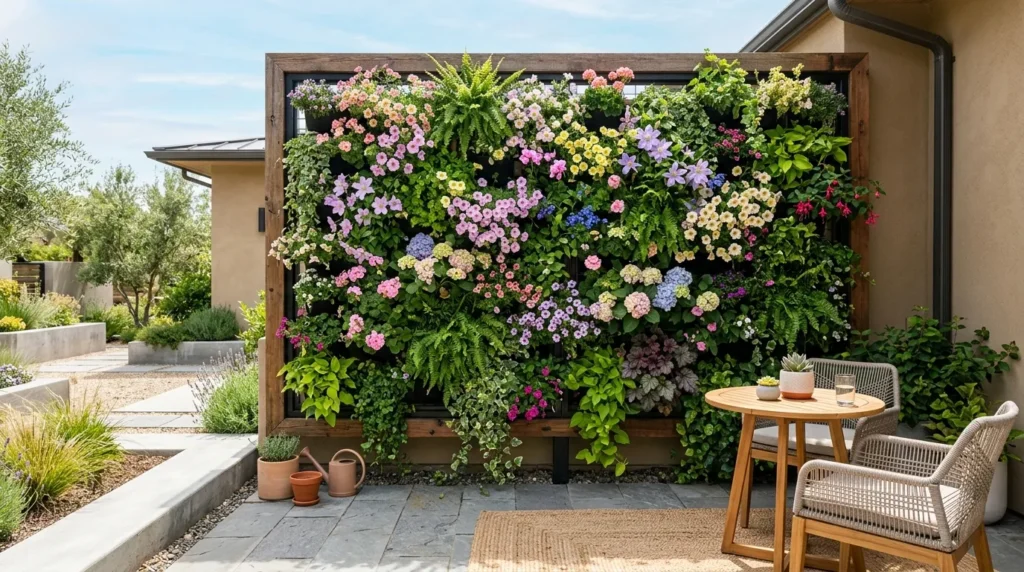
1. Vertical Flower Walls
Bullet Points:
- Maximizes limited outdoor space.
- Creates a striking visual centerpiece.
- Supports climbing and hanging plants.
- Enhances privacy and shade.
- Easy to maintain modular panels.
Paragraph 1
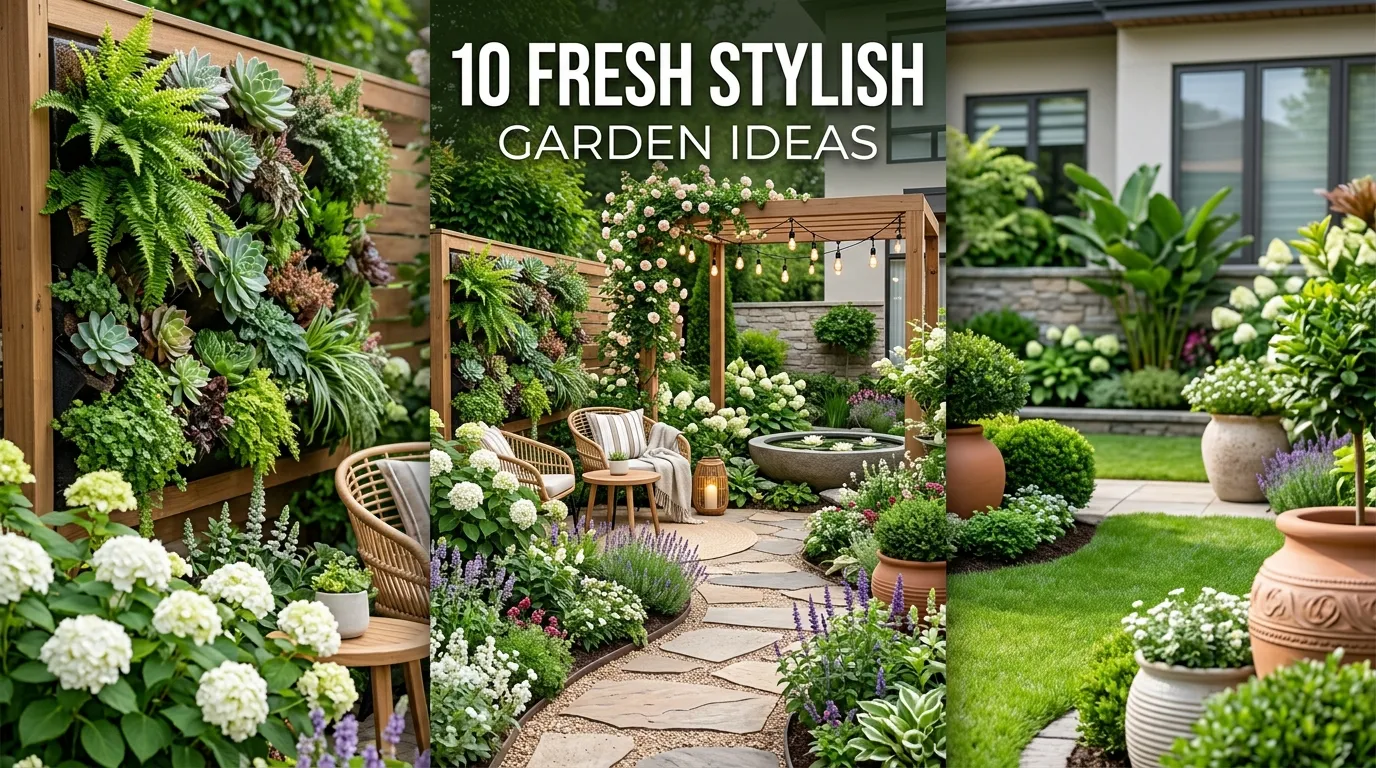
Vertical flower walls are a perfect solution for small or urban gardens, transforming plain walls into lush, colorful displays. I’ve noticed how these living walls instantly elevate outdoor aesthetics, providing a natural backdrop that catches the eye. By using modular planters or trellises, homeowners can combine flowering plants, herbs, and trailing greenery for a layered effect. Vertical gardens also offer practical benefits such as improved privacy, natural insulation, and shading for nearby spaces. When properly installed, they are low-maintenance, visually striking, and create a unique, fresh focal point in any garden.
Paragraph 2
The transformation offered by vertical flower walls is both aesthetic and functional. I’ve seen small patios feel larger and more vibrant when a wall of greenery dominates one side. They allow for seasonal rotation of plants and can accommodate flowers, succulents, and edible herbs simultaneously. The structured design supports optimal growth and maintenance while providing texture and color variety. Vertical gardens can also act as natural screens, softening harsh walls or fences. For homeowners seeking a modern and stylish garden, this idea combines practicality with high-impact design, making outdoor spaces feel lively and welcoming.
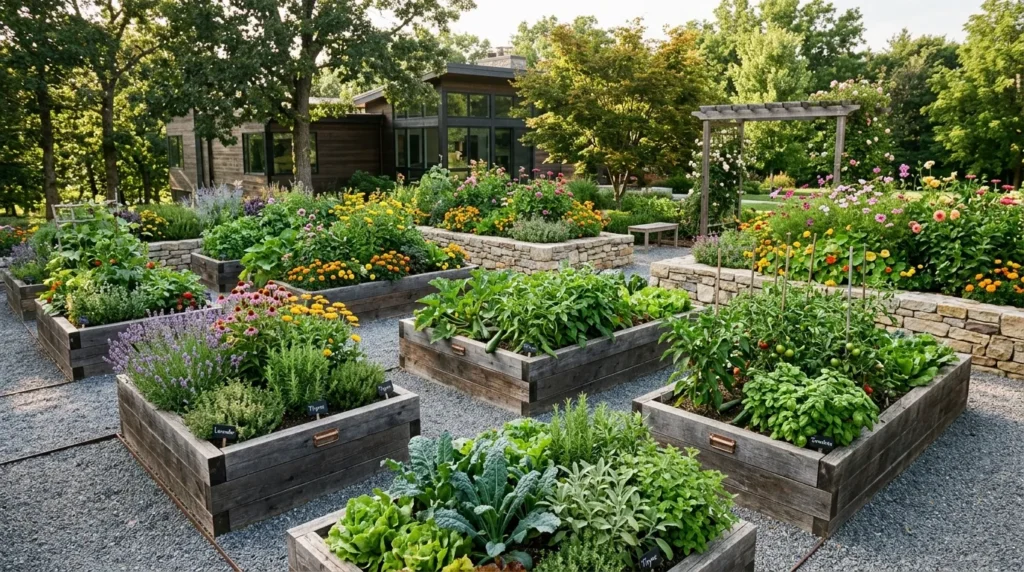
2. Raised Planter Beds
Bullet Points:
- Improves soil quality and drainage.
- Adds visual layers and structure.
- Supports vegetables, flowers, and herbs.
- Easier to maintain and weed.
- Can include decorative edging or lighting.
Paragraph 1
Raised planter beds are ideal for homeowners looking to organize their garden while improving plant health. I’ve noticed how these beds create distinct zones for flowers, vegetables, or herbs, giving gardens a neat, modern look. Using wood, stone, or metal, raised beds can be customized to suit any garden size or aesthetic. They improve soil quality, provide better drainage, and make gardening more ergonomic by reducing the need to bend. Designers often incorporate decorative elements like gravel pathways or solar lights to enhance visual appeal while keeping the space functional and inviting for daily use.
Paragraph 2
Raised beds also enhance usability and garden productivity. I’ve seen gardens transform into functional spaces for growing fresh produce alongside ornamental plants. The separation allows for controlled watering, better pest management, and distinct seasonal planting zones. Adding mulch or stepping stones further organizes the space, improving access and aesthetic appeal. Raised beds can also double as informal seating or display surfaces, integrating seamlessly with patios or pathways. For small or medium gardens, this approach combines practicality, sustainability, and style, giving homeowners a versatile, modern, and structured outdoor space that encourages both beauty and productivity.
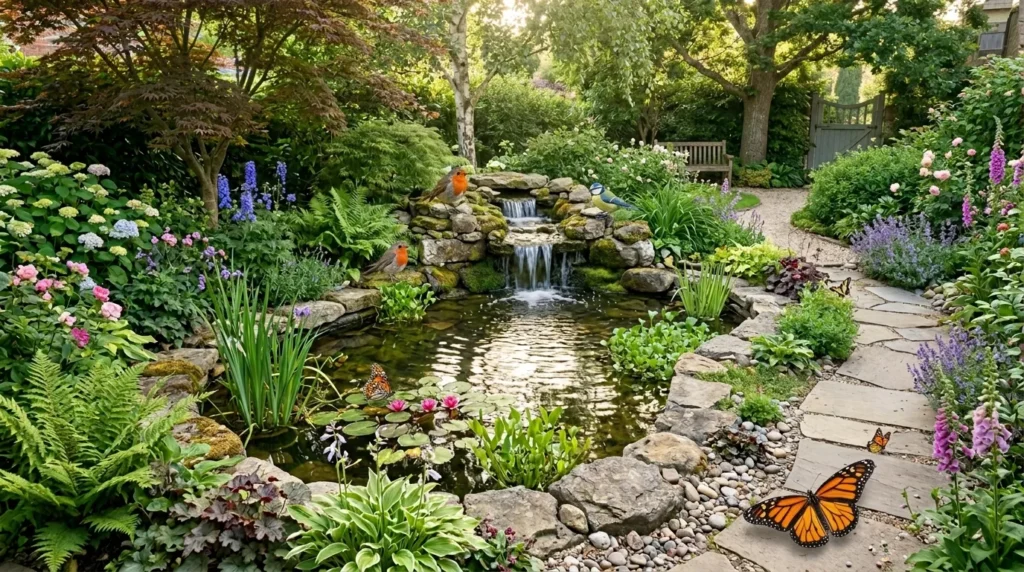
3. Water Features
Bullet Points:
- Adds tranquility and ambiance.
- Supports aquatic plants and wildlife.
- Can include fountains, ponds, or waterfalls.
- Creates visual and auditory focal points.
- Enhances relaxation and meditation spaces.
Paragraph 1
Incorporating water features into a garden adds a calming, visually appealing element that transforms outdoor spaces. I’ve noticed how fountains, ponds, or cascading waterfalls attract attention and create a soothing atmosphere, especially when paired with natural stones or greenery. Even small gardens can benefit from compact water features, which support aquatic plants and attract birds or butterflies. Designers often combine lighting or reflective surfaces to enhance the feature’s impact at night. Proper planning ensures water circulation, cleanliness, and safety, making water features both functional and aesthetically powerful additions to any stylish garden.
Paragraph 2
Water features also dramatically improve the garden’s usability and mood. I’ve seen families use surrounding seating areas as relaxing spots or social gathering points. The sound of flowing water masks urban noise, creating a peaceful retreat even in city settings. By integrating plants around the edges, homeowners can enhance biodiversity and improve microclimate conditions. Small waterfalls or bubbling fountains are particularly effective in compact spaces, adding charm without overwhelming the area. In a stylish garden, water features combine sensory appeal, tranquility, and design elegance, turning ordinary outdoor spaces into inviting, high-impact retreats that elevate the entire landscape.
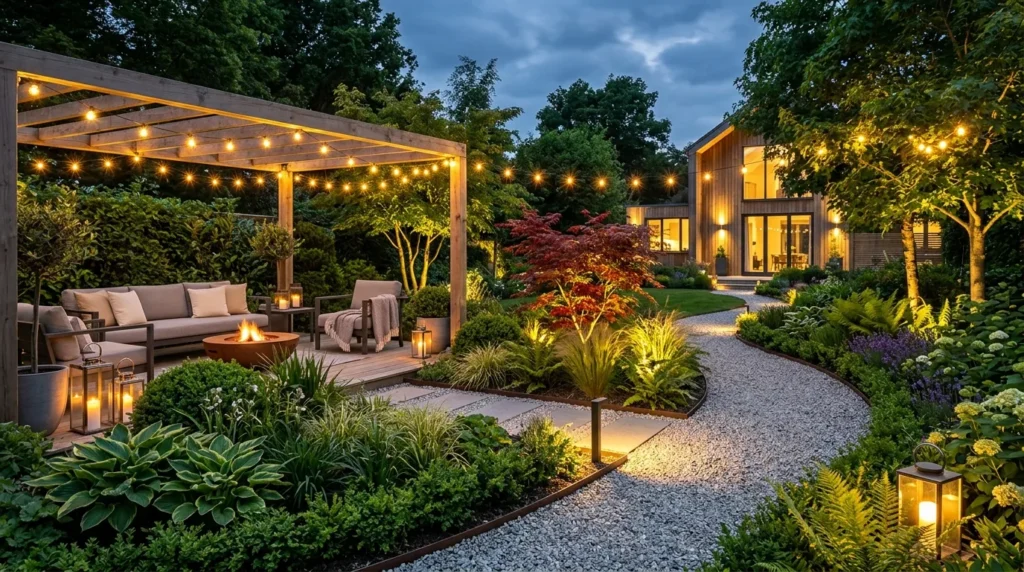
4. Outdoor Lighting
Bullet Points:
- Extends garden usability into evening hours.
- Highlights key plants, paths, or water features.
- Can include solar, LED, or string lights.
- Adds ambiance and security.
- Complements modern and traditional garden designs.
Paragraph 1
Outdoor lighting can dramatically change the mood and functionality of a garden. I’ve noticed how the strategic placement of LED spotlights, string lights, or lanterns creates cozy atmospheres while accentuating plants, pathways, or water features. Lighting extends usability, allowing evenings to be enjoyed for dining, relaxing, or entertaining. Designers recommend layering different light sources to balance brightness and ambiance while highlighting architectural and natural elements. Proper lighting ensures safety along walkways and patios. In addition to functionality, lighting contributes to the visual appeal of a stylish garden, making it welcoming, dramatic, and comfortable after dark.
Paragraph 2
The transformation achieved through outdoor lighting is both practical and artistic. I’ve seen gardens shift from ordinary daytime settings to enchanting nightscapes, enhancing enjoyment and outdoor living. Solar-powered or low-voltage lights make energy-efficient options feasible without compromising style. Highlighting focal points, such as fountains, statues, or raised beds, creates layers of interest and visual depth. String lights or lanterns soften the space for casual gatherings, while pathway lighting improves navigation and safety. Overall, thoughtfully integrated lighting ensures that a stylish garden remains functional, aesthetically pleasing, and inviting, day or night.
5. Minimalist Pathways
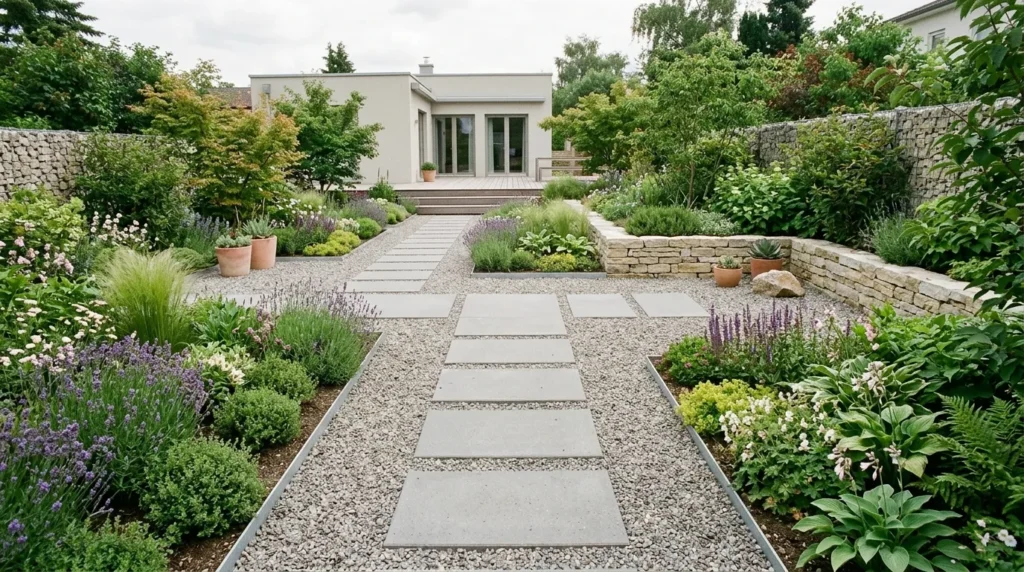
Bullet Points:
- Guides movement and creates structure.
- Can use concrete slabs, gravel, or stone.
- Enhances garden geometry and flow.
- Complements modern or contemporary designs.
- Can integrate plants or lighting alongside paths.
Paragraph 1
Minimalist pathways provide structure and elegance in any stylish garden, guiding movement while emphasizing design aesthetics. I’ve noticed how simple lines, geometric shapes, and clean materials such as stone, concrete, or gravel create clarity and order in outdoor spaces. Pathways can visually expand small gardens and lead visitors toward focal points like seating areas, water features, or courtyards. Designers often integrate subtle lighting or low plants alongside paths to enhance their appeal. A well-planned pathway balances function and beauty, creating a harmonious flow while maintaining a modern and sophisticated garden look.
Paragraph 2
The transformation from a cluttered outdoor space to a stylish, functional garden is dramatic with minimalist pathways. I’ve seen how paths create natural circulation, preventing soil compaction and improving access to plants. Strategic alignment of slabs or stepping stones can divide garden zones, highlight landscaping features, or connect indoor-outdoor spaces seamlessly. Integrating materials with texture contrast—smooth concrete with rough gravel, for example—adds visual interest. Minimalist paths are easy to maintain and complement other garden features, enhancing overall harmony, usability, and contemporary design, making gardens feel spacious, organized, and effortlessly stylish.
6. Pergola Seating
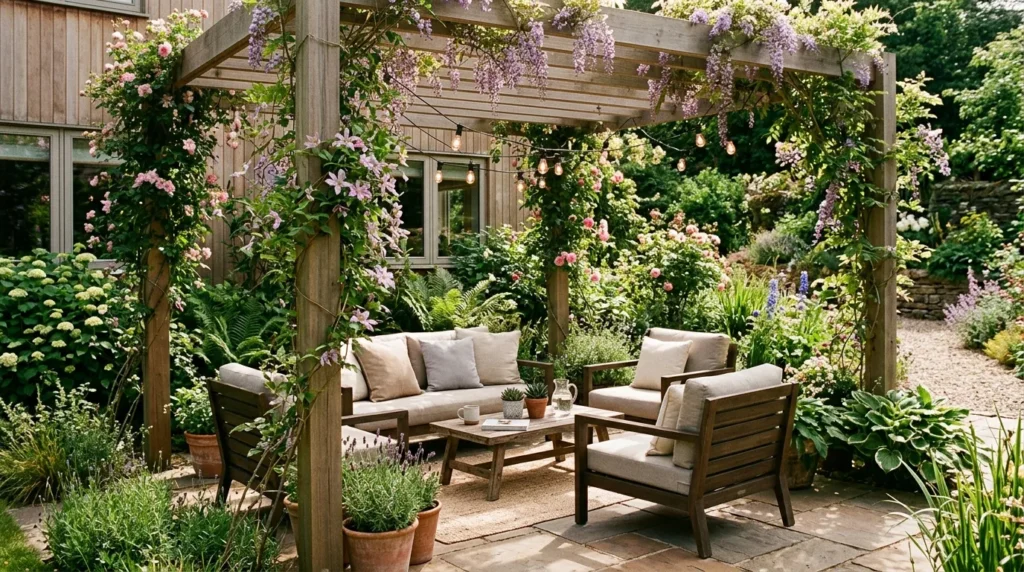
Bullet Points:
- Creates shaded seating areas for relaxation.
- Can be paired with climbing plants or lights.
- Supports outdoor dining or social zones.
- Adds vertical interest and garden structure.
- Enhances modern or rustic aesthetics.
Paragraph 1
A pergola transforms an ordinary garden into a stylish retreat, providing shaded seating and vertical dimension. I’ve seen homeowners use pergolas to define dining or lounge areas, integrating flowering vines or fairy lights to soften the structure. Materials like wood, metal, or composite blends offer durability while complementing various garden styles. A pergola encourages outdoor living, offering a cool retreat on sunny days and a cozy corner in the evenings. By framing the seating area, it creates visual interest and structure, turning open spaces into inviting spots for relaxation or entertainment.
Paragraph 2
Pergola seating not only improves garden usability but also enhances aesthetics. I’ve noticed how adding climbing plants like wisteria or jasmine creates natural shade and fragrance, while string lights extend evening use. Outdoor furniture under the pergola defines the space and makes it functional for dining, reading, or entertaining. This vertical element breaks flat garden layouts, adding height and texture. Even compact yards benefit from a pergola as it frames views, creates privacy, and introduces a stylish focal point. In combination with plantings and lighting, it becomes a versatile, modern, and visually stunning garden feature.
7. Herb & Vegetable Corners
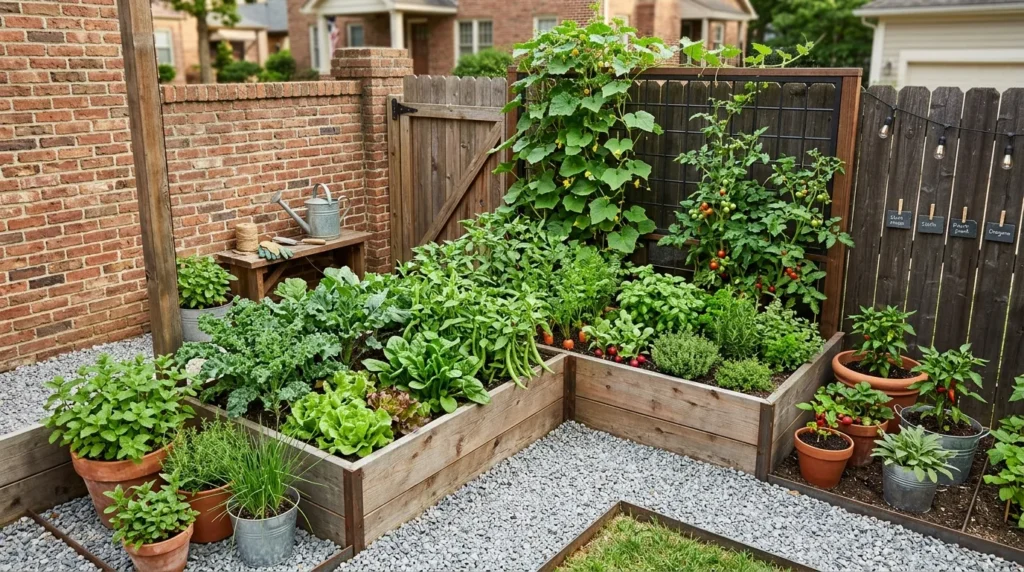
Bullet Points:
- Encourages fresh, homegrown produce.
- Can be arranged in raised beds or containers.
- Adds greenery and texture variety.
- Enhances garden practicality and sustainability.
- Supports vertical planting or trellises.
Paragraph 1
Designating a corner for herbs and vegetables combines style with practicality in a garden. I’ve noticed how compact raised beds or container arrangements allow homeowners to grow basil, rosemary, tomatoes, or peppers without cluttering decorative areas. Vertical trellises or tiered planters maximize space while creating visual interest. Grouping plants by size and sunlight requirements ensures healthy growth. This approach turns a functional area into an attractive focal point. By integrating edible plants with flowers or ornamental grasses, gardens become more diverse, practical, and visually stimulating, offering both aesthetics and fresh ingredients for daily use.
Paragraph 2
Herb and vegetable corners transform outdoor spaces into interactive, sustainable gardens. I’ve seen families enjoy picking fresh ingredients straight from their garden, adding freshness to meals while teaching children about plants. Raised or container-based designs simplify maintenance, watering, and harvesting, making them suitable for all skill levels. Mixing textures, colors, and heights enhances visual appeal. Lighting or small signage can highlight plant types for educational or decorative purposes. These corners combine practicality, sustainability, and style, proving that functional gardens can still be visually stunning and highly usable in modern backyards.
8. Sculptural Accents
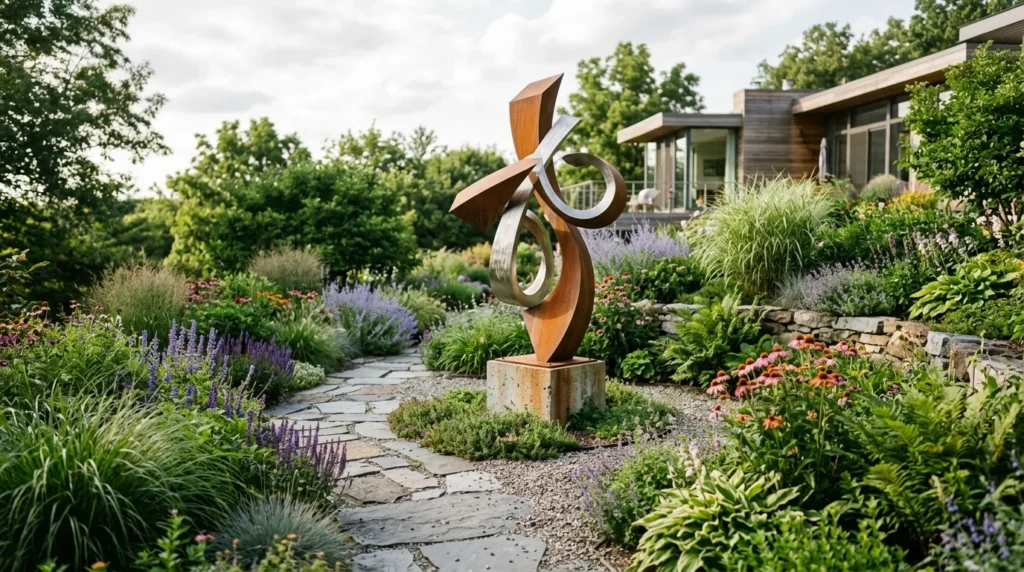
Bullet Points:
- Adds artistic focal points and personality.
- Can include statues, abstract sculptures, or stone carvings.
- Enhances modern or eclectic garden styles.
- Creates visual contrast with greenery.
- Works in small or large gardens.
Paragraph 1
Sculptural accents elevate garden design by introducing art and personality into the landscape. I’ve noticed how carefully placed statues, stone carvings, or modern abstract pieces draw the eye and complement plantings. Materials like metal, stone, or resin withstand outdoor conditions while adding texture and contrast. Sculptures can serve as focal points, anchor corners, or guide pathways, providing both function and decoration. Integrating art with natural elements creates harmony and highlights the designer’s style. In addition to aesthetics, sculptural accents encourage visitors to engage with the space, making gardens more immersive and visually dynamic.
Paragraph 2
Adding sculptural accents transforms ordinary gardens into curated, gallery-like spaces. I’ve seen sculptures juxtaposed with lush greenery, flowers, or water features to highlight contrasts in texture, color, and form. Lighting can enhance their impact during evening hours, while plantings soften hard lines. Even small sculptures can add depth and interest in compact gardens. Placement should balance visibility, scale, and integration with surrounding plants. By incorporating sculptural elements, gardeners can express creativity and elevate the overall ambiance, making stylish gardens feel curated, artistic, and engaging while enhancing the outdoor living experience.
9. Seasonal Flower Rotation
Bullet Points:
- Keeps gardens colorful year-round.
- Supports pollinators and biodiversity.
- Can be planned in borders, beds, or containers.
- Enhances visual interest with varied textures and heights.
- Encourages experimentation with new plant varieties.
Paragraph 1
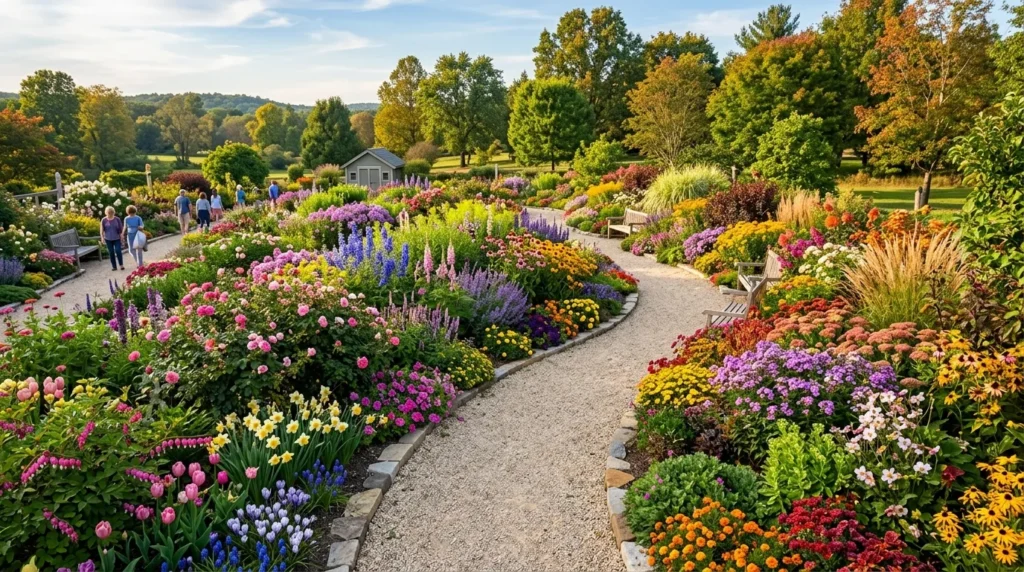
Rotating flowers seasonally ensures that gardens remain vibrant and engaging throughout the year. I’ve noticed how thoughtful planning of spring bulbs, summer blooms, fall foliage, and winter-hardy plants creates continuous color, texture, and fragrance. Using containers or flexible borders simplifies swapping plants as seasons change. This approach supports pollinators and biodiversity while keeping the visual appeal fresh. Gardeners can experiment with different plant combinations, colors, and heights to achieve dynamic, layered designs. Seasonal rotation is a practical way to maintain a stylish, ever-changing garden without overcrowding or overcomplicating the space.
Paragraph 2
Seasonal flower rotation transforms static gardens into lively, evolving landscapes. I’ve seen compact gardens appear expansive and full of life by alternating blooms and foliage. Layering early, mid, and late-season flowers provides overlapping color periods, while textures and leaf shapes create depth. Container placement allows for quick swaps and flexibility in layout. Complementing perennials with annuals ensures long-lasting appeal. With proper planning, gardeners can maintain a balanced, colorful, and visually stimulating environment that attracts birds and pollinators. Seasonal rotation adds freshness, practicality, and style, making a garden dynamic, engaging, and highly appealing year-round.
10. Cozy Fire Pit
Bullet Points:
- Creates a social and relaxing outdoor hub.
- Can be built-in or portable.
- Works with seating, lighting, and decorative stones.
- Enhances ambiance and usability during cooler months.
- Adds modern or rustic charm.
Paragraph 1
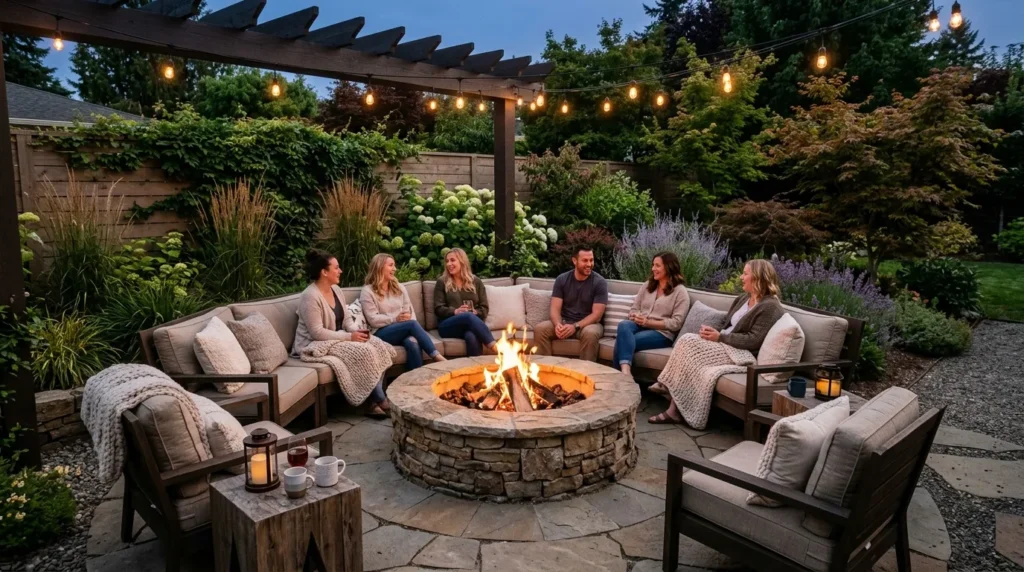
A cozy fire pit instantly turns a garden into a welcoming gathering space. I’ve noticed how both built-in and portable designs create warmth, ambiance, and a focal point for conversation. Materials like stone, brick, or metal suit modern and rustic gardens alike, while surrounding seating encourages social interaction. Integrating lighting, cushions, and natural elements enhances comfort and visual appeal. Fire pits extend the usability of outdoor spaces into cooler seasons, making gardens functional year-round. Strategically placed in patios, lawns, or corners, they transform ordinary outdoor areas into stylish, inviting retreats for family and friends.
Paragraph 2
The transformation from a simple yard to a stylish outdoor living area is remarkable with a fire pit. I’ve seen evenings come alive with warm lighting, subtle smoke aroma, and the glow of flames reflecting on surrounding surfaces. Fire pits encourage gathering, storytelling, or casual relaxation, making the garden a central hub. Safety and placement are crucial to balance aesthetics and functionality. By combining seating, pavers, and natural textures, the area feels integrated with the landscape. A fire pit adds both warmth and style, enhancing the garden’s functionality and creating a charming, contemporary outdoor experience.