
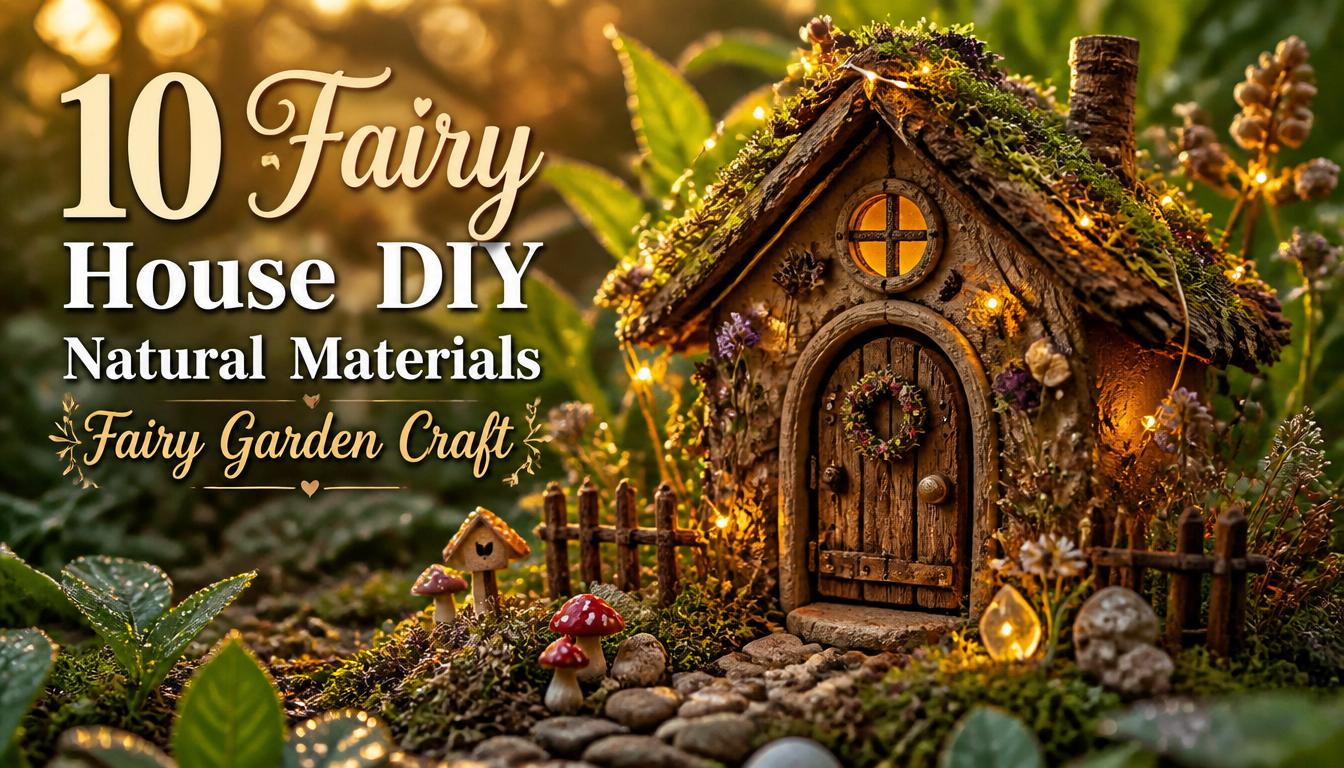
10 Fairy House DIY Natural Materials Fairy Garden Craft
Fairy houses are one of the most magical and creative additions to any garden, patio, or outdoor space. Made from natural materials like twigs, bark, moss, stones, acorns, and pinecones, these miniature homes bring imagination to life while blending beautifully into the landscape. Whether you’re creating a fairy garden with children, decorating a flower bed, or simply enjoying a relaxing DIY project, fairy houses offer endless opportunities for creativity.
One of the best things about using natural materials is that each fairy house becomes completely unique. The textures, colors, and shapes found in nature create charming details that feel authentic and enchanting. These Fairy House DIY Natural Materials Fairy Garden Craft ideas will inspire you to build whimsical fairy homes that add character, wonder, and storybook charm to your outdoor space.
1. Twig Cottage House
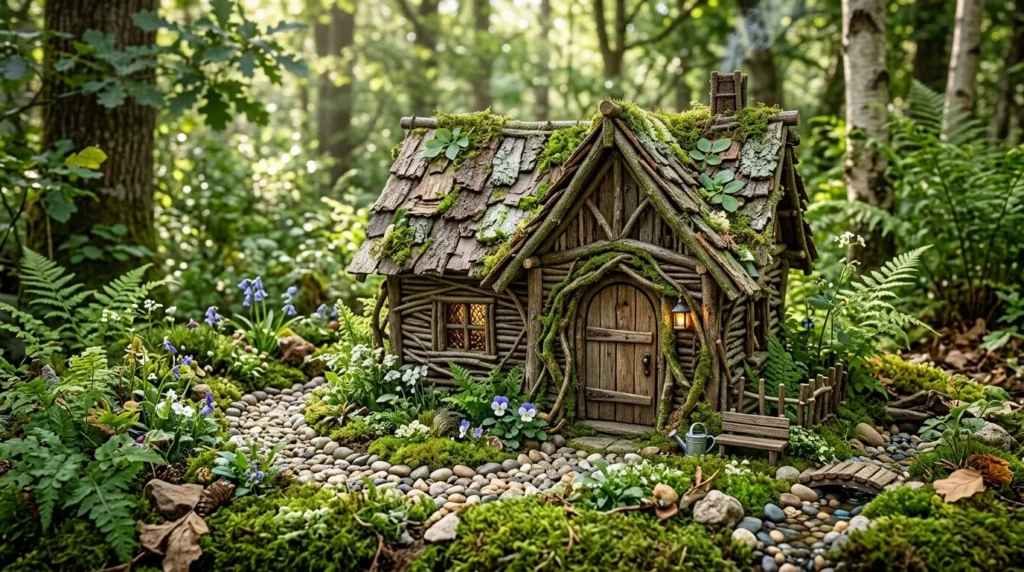
A twig cottage is one of the easiest and most charming fairy house projects to create. Small branches and twigs can be arranged vertically or horizontally to form miniature walls, while bark pieces make excellent roofing material. The natural textures instantly give the structure a woodland appearance that blends beautifully into garden settings.
Many crafters love twig cottages because the materials are easy to collect and work with. In my experience, adding a tiny pebble pathway and a moss-covered entrance helps make the house feel even more realistic. The finished design looks like a tiny woodland retreat hidden among flowers and greenery.
2. Moss Covered Retreat
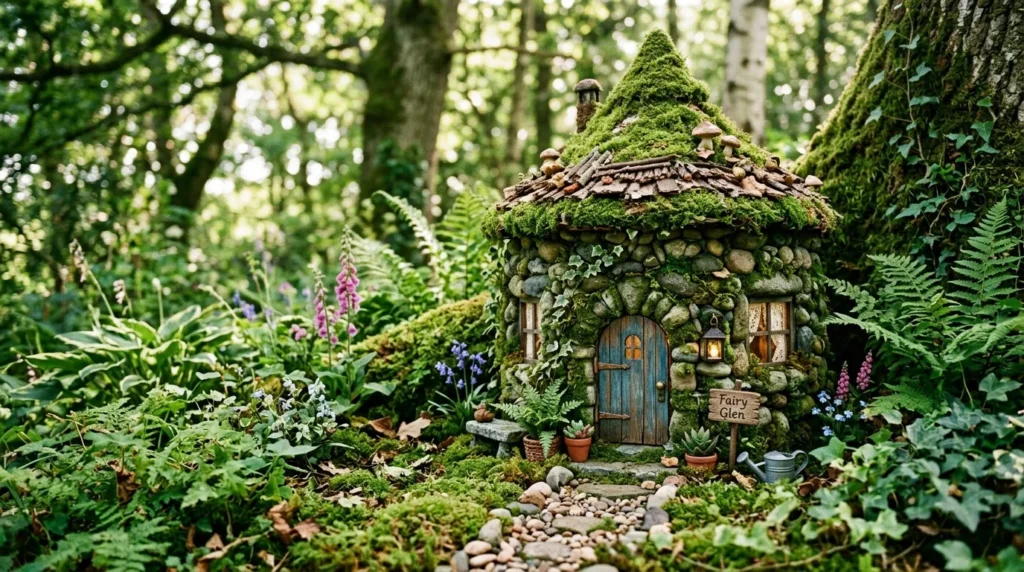
A fairy house covered in soft green moss creates a magical storybook appearance. Moss can be used on roofs, walls, pathways, and surrounding landscaping to create a cozy, nature-inspired design. The lush texture helps the structure blend seamlessly into garden environments.
The beauty of moss lies in its ability to soften hard surfaces while adding color and texture. Many fairy garden enthusiasts use preserved moss because it maintains its appearance over time. The result feels enchanting, peaceful, and perfectly suited for whimsical outdoor displays.
3. Acorn Roof Cottage
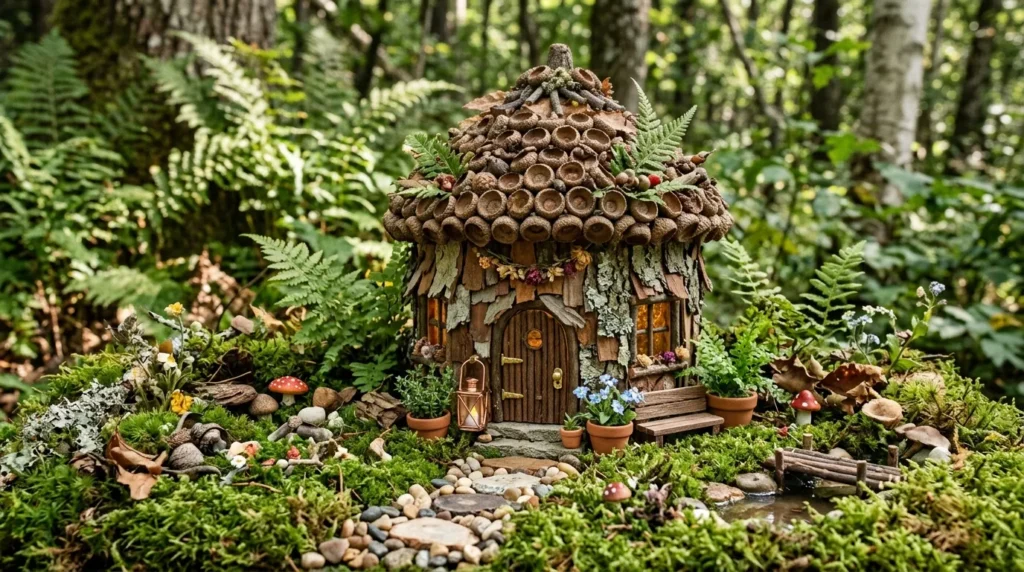
Acorn caps make adorable roofing materials for miniature fairy homes. Carefully layered across the roof, they create a rustic appearance that resembles traditional shingles. Combined with bark walls and stone details, the design feels handcrafted and full of woodland charm.
This idea is especially popular because acorns are readily available in many regions and add unique visual interest. The natural shapes and earthy tones contribute to the authenticity of the project. The finished house feels whimsical while remaining beautifully connected to nature.
4. Stone Doorway Design
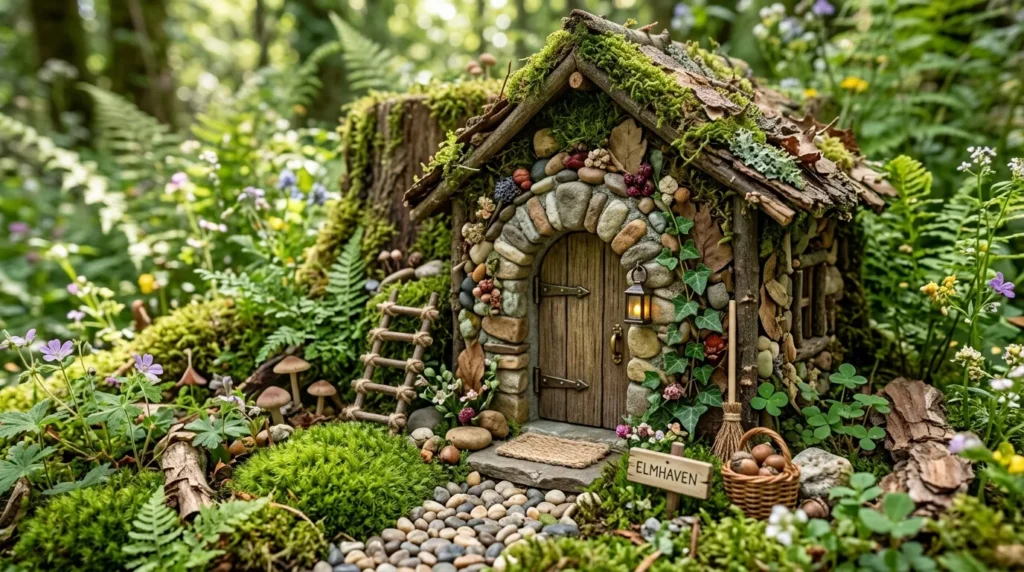
A stone doorway instantly gives a fairy house a sense of permanence and character. Small pebbles or flat stones can be arranged around miniature doors and windows to create realistic architectural details. The texture contrasts beautifully with softer materials such as moss and wood.
Many fairy gardeners enjoy using stones because they add structure and durability to the design. The combination of natural materials creates visual balance while making the tiny house feel more realistic. The result looks charming and beautifully handcrafted.
5. Pinecone Fairy Cabin
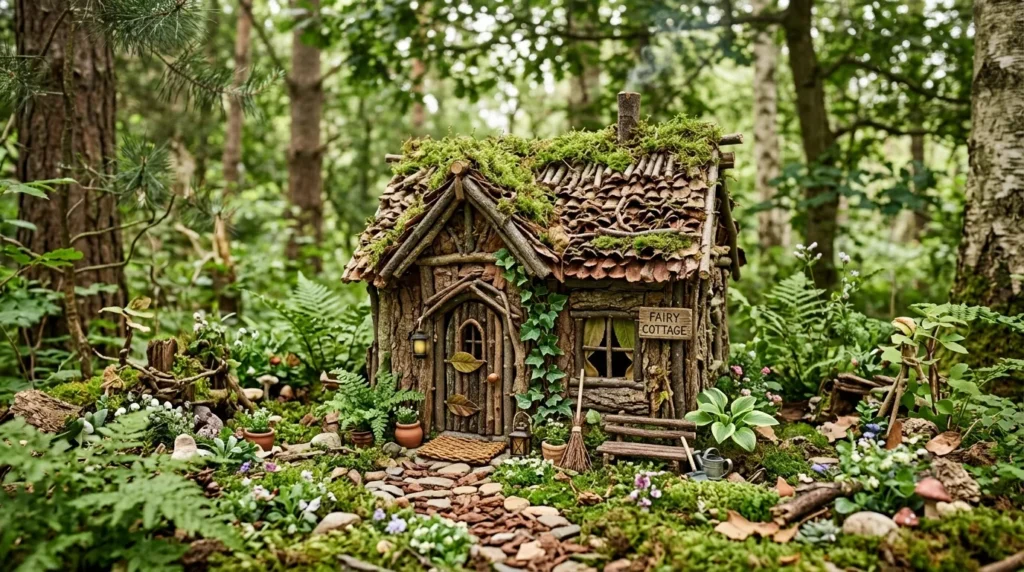
Pinecones provide an excellent foundation for rustic fairy cabins. Their layered texture naturally resembles roofing materials and decorative architectural details. Combined with twigs, bark, and moss, pinecones help create charming woodland structures that look right at home in a fairy garden.
The versatility of pinecones makes them especially appealing for DIY projects. They can be used as roofs, walls, decorative accents, or even miniature trees. The finished cabin feels cozy, creative, and perfectly suited for outdoor displays.
6. Bark Wall Hideaway
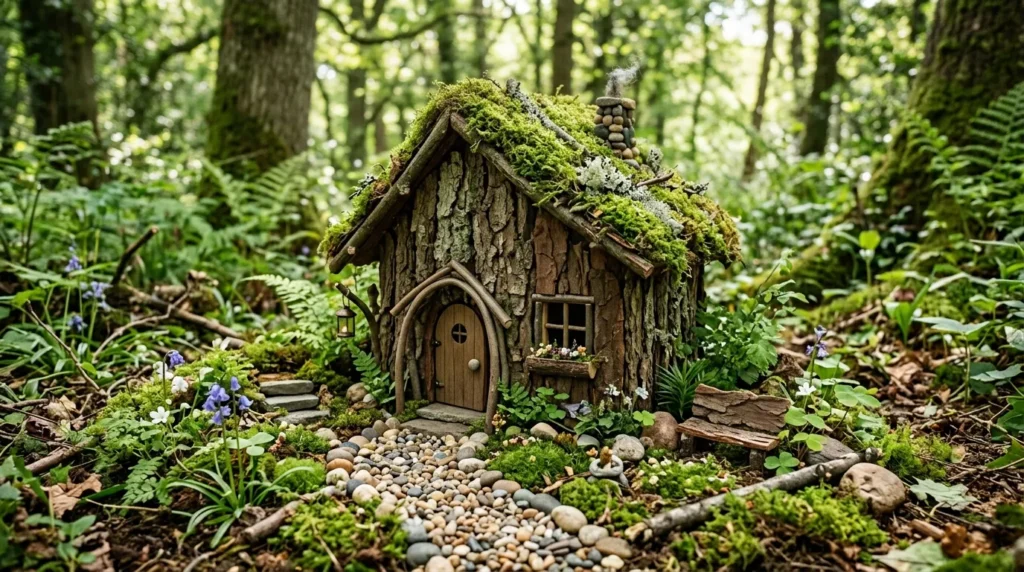
Tree bark creates realistic walls that instantly enhance the natural appearance of a fairy house. Different bark varieties offer unique textures and colors, allowing for endless customization. The rugged surface helps create a woodland aesthetic that feels authentic and visually interesting.
I’ve noticed that bark houses often look especially realistic because the material already resembles miniature construction elements. Combined with natural landscaping features, bark walls contribute to a design that feels seamlessly integrated into the garden environment.
7. Pebble Path Entrance
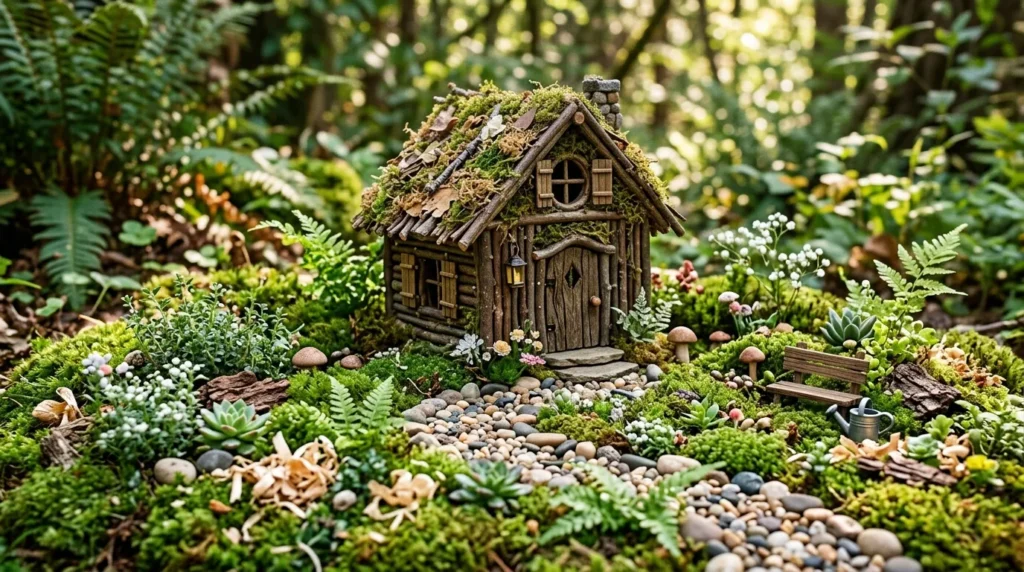
A pebble pathway adds charm while guiding visitors toward the fairy house. Small stones arranged in winding patterns create the illusion of a miniature walkway leading to the front door. This simple addition enhances realism while adding decorative interest to the surrounding landscape.
Many crafters consider pathways an essential detail because they help tell a story. The carefully placed stones create a sense of movement and purpose within the fairy garden. The result feels thoughtful, inviting, and beautifully complete.
8. Driftwood Fairy Home
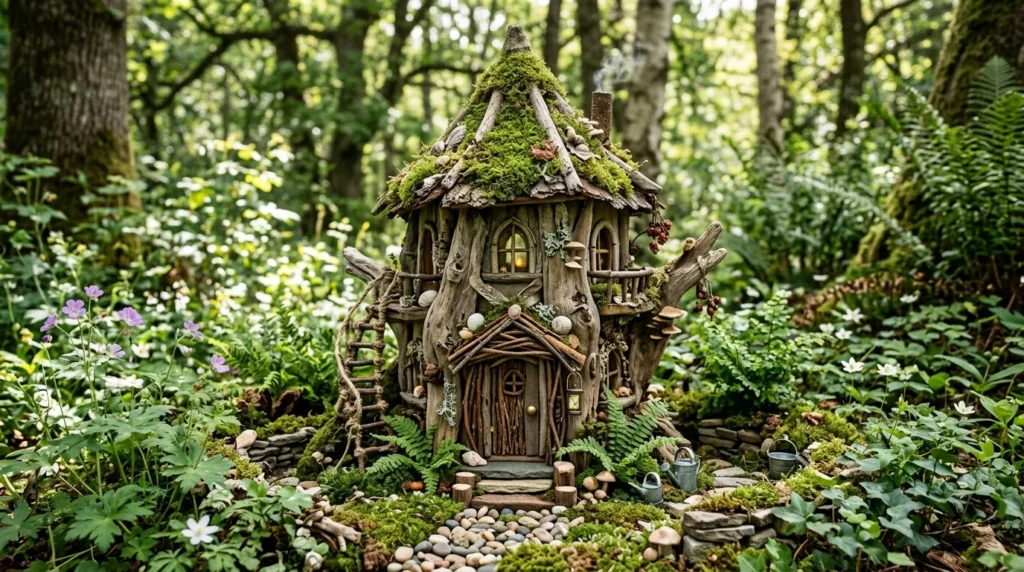
Driftwood introduces unique shapes and textures that make every fairy house feel one of a kind. Weathered wood pieces can be arranged into walls, roofs, porches, and decorative accents. The naturally aged appearance contributes to a whimsical and rustic design.
The organic forms found in driftwood inspire creativity and often influence the final shape of the house. Many designers appreciate how the material brings personality and visual interest to fairy garden projects. The result feels artistic, natural, and wonderfully imaginative.
9. Mushroom Inspired House
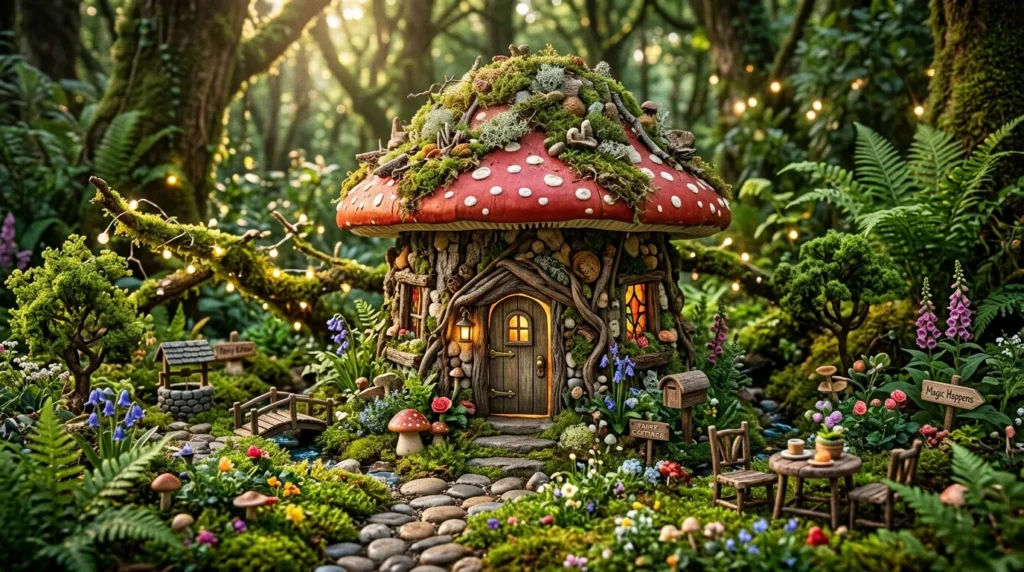
A mushroom-inspired fairy house creates a playful and magical focal point. Natural materials can be combined with painted accents to mimic the appearance of whimsical woodland mushrooms. Rounded roofs and earthy textures contribute to the storybook atmosphere.
This style remains a favorite among fairy garden enthusiasts because it captures the imagination instantly. The unique shape stands out while still complementing surrounding natural elements. The finished design feels cheerful, creative, and full of enchantment.
10. Woodland Village Scene
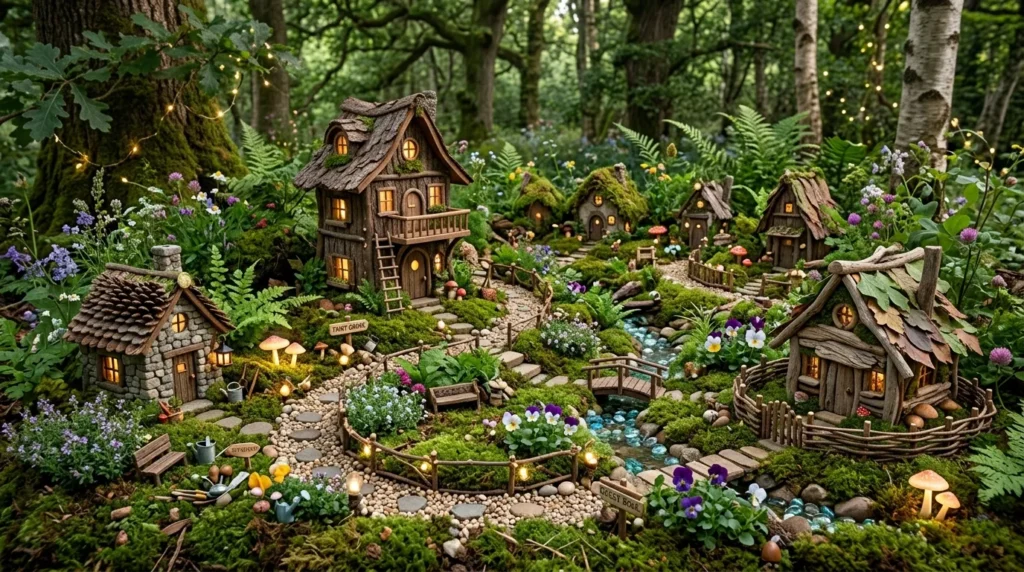
Creating a small fairy village allows multiple houses to work together within a larger landscape. Different structures connected by pebble paths, moss gardens, and miniature decorative features create an immersive scene that feels alive with imagination and charm.
Many people enjoy building fairy villages because the project can grow over time. Additional houses and landscape details help expand the story and visual appeal. The result becomes a magical outdoor display that delights visitors of all ages.