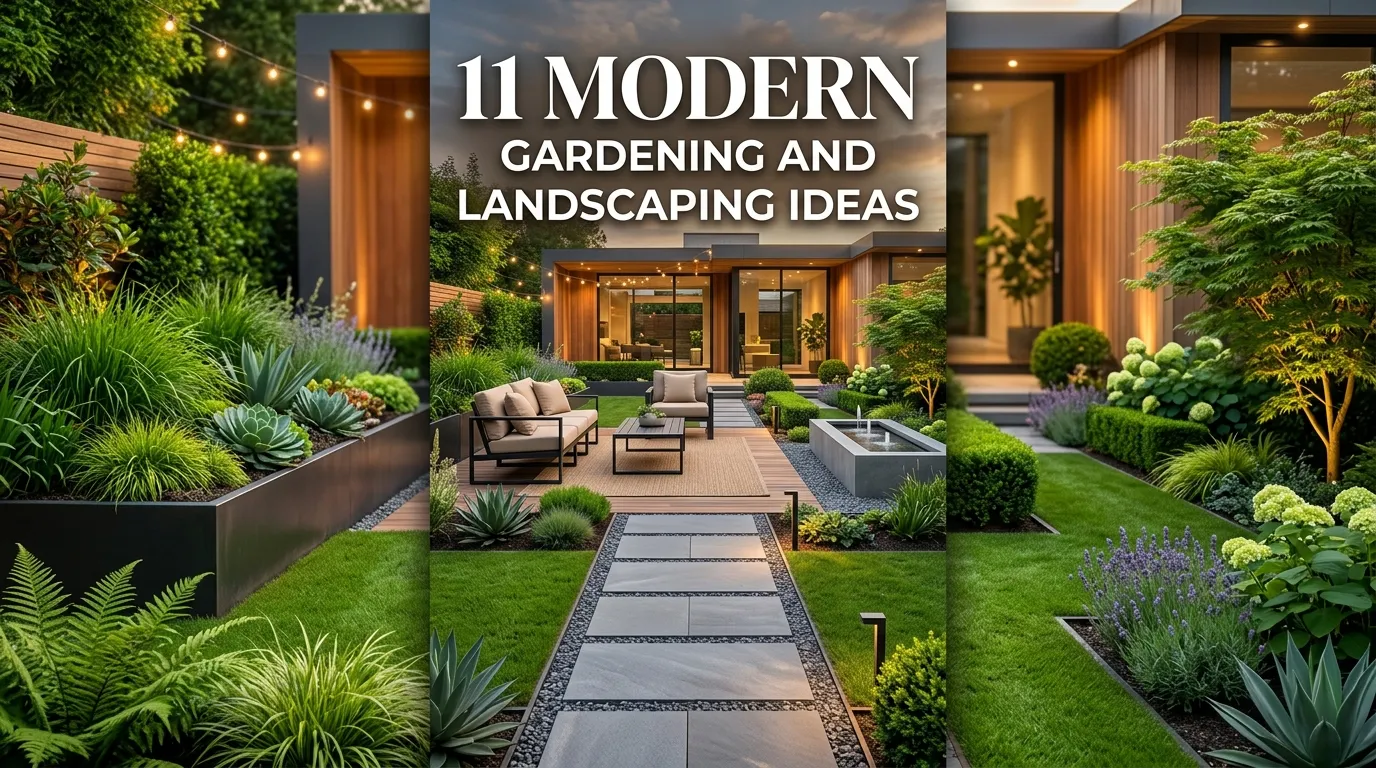
11 Modern Gardening And Landscaping Ideas
Modern gardening is more than planting flowers—it’s about creating an outdoor sanctuary that combines style, function, and sustainability. Across the USA, homeowners want gardens that feel modern yet practical, blending greenery with usable spaces for relaxing, entertaining, or cultivating fresh produce. A thoughtfully designed garden enhances property value, promotes wellbeing, and creates a beautiful backdrop for everyday life. In this guide, we’ll explore eleven modern gardening and landscaping ideas that are visually stunning, actionable, and achievable for any space. Each idea includes practical guidance, materials, and styling tips to elevate your outdoor living experience.
1. Vertical Gardens
Bullet Points:
- Use walls, fences, or trellises to maximize small spaces.
- Mix decorative plants and herbs for beauty and function.
- Reduces soil usage and simplifies maintenance.
- Can act as natural insulation for buildings.
- Modular designs allow for flexible layouts.
Paragraph 1 (98 words):
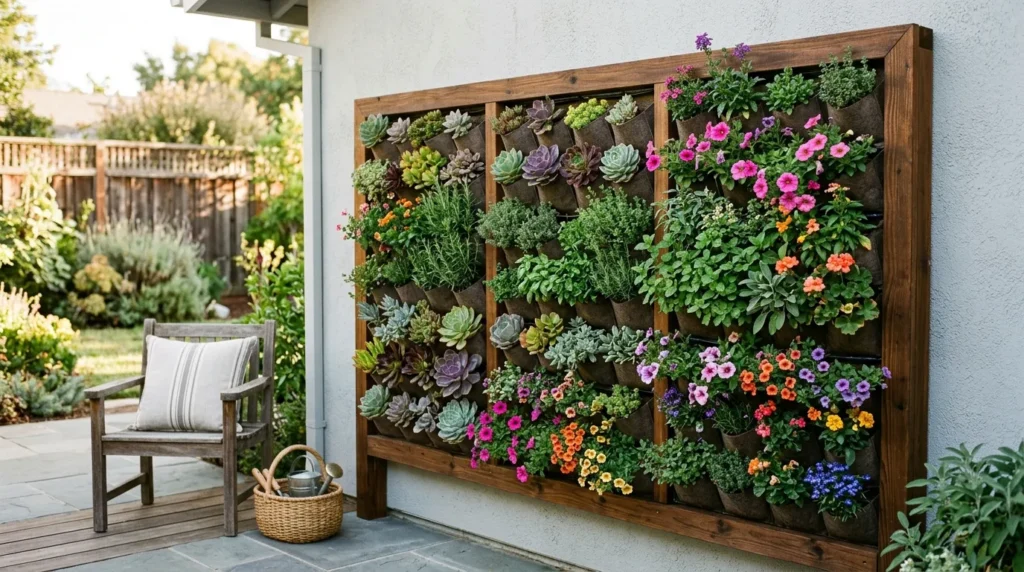
Vertical gardens transform otherwise unused walls into lush, living canvases. I’ve noticed that in urban spaces, homeowners can achieve a garden feel even with minimal square footage. Using panels, pockets, or hanging planters, you can incorporate a variety of plant types, from low-maintenance succulents to fragrant herbs. Vertical arrangements also help in controlling pests and diseases as plants are off the ground. Designers recommend using lightweight materials like felt pockets or metal grids, which are both durable and visually appealing. This approach creates a stunning green feature while maintaining a modern, organized aesthetic.
Paragraph 2 (99 words):
The impact of vertical gardens goes beyond aesthetics—they improve air quality, reduce heat, and provide privacy. I’ve seen small balconies transformed into vibrant retreats with vertical planting, where herbs are easily accessible for cooking and decorative flowers enhance visual appeal. Choosing a watering system, such as a drip irrigation line, ensures plants thrive with minimal maintenance. Arranging plants by color gradient or leaf texture creates depth and intrigue, making your garden feel curated. Vertical gardening proves that even small spaces can have significant visual and functional impact, merging style with practicality in a modern outdoor environment.
Additional Tips:
- Combine lighting with vertical gardens for dramatic night appeal.
- Choose drought-tolerant species to reduce watering needs.
- Use reclaimed materials for sustainable design.
2. Raised Planter Beds
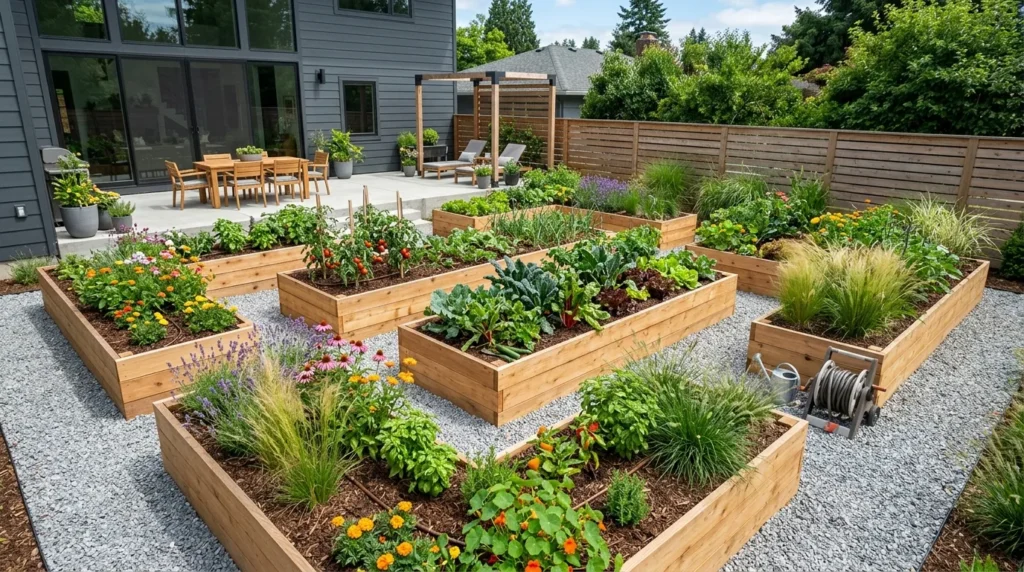
Bullet Points:
- Improve soil drainage and prevent compaction.
- Reduce bending strain for easier gardening.
- Create defined, layered garden spaces.
- Perfect for seasonal rotation and crop diversity.
- Can double as decorative design elements.
Paragraph 1 (97 words):
Raised planter beds offer structure and organization while enhancing the garden’s visual appeal. I’ve seen them transform uneven yards into clean, modern landscapes with layered greenery. Using materials like cedar, redwood, or recycled composite boards, you can achieve a natural yet polished look. Beds can vary in height for ergonomic planting or to create visual interest. They’re ideal for vegetable gardens, flowers, or mixed plantings, and their clear edges keep pathways tidy. Raised beds also protect plants from pests and weeds, making them a practical choice for families and homeowners seeking a combination of style, functionality, and sustainability.
Paragraph 2 (96 words):
The aesthetic benefit of raised beds comes from their ability to organize and define spaces, creating a garden that feels intentional. I’ve noticed that alternating shapes, from rectangles to squares, adds a geometric, modern rhythm. Using mulch, gravel, or decorative stones between beds enhances contrast and reduces maintenance. Raised beds allow for easy irrigation setups, including drip lines or soaker hoses, ensuring plants thrive. These beds support year-round gardening, offering flexibility to grow seasonal plants. The result is a visually cohesive outdoor area that balances practical functionality with contemporary design sensibilities.
Extra Tips:
- Line the bottom with landscape fabric to prevent soil loss.
- Combine with companion planting for better growth and pest control.
- Paint or stain wood for a personalized modern look.
3. Water Features
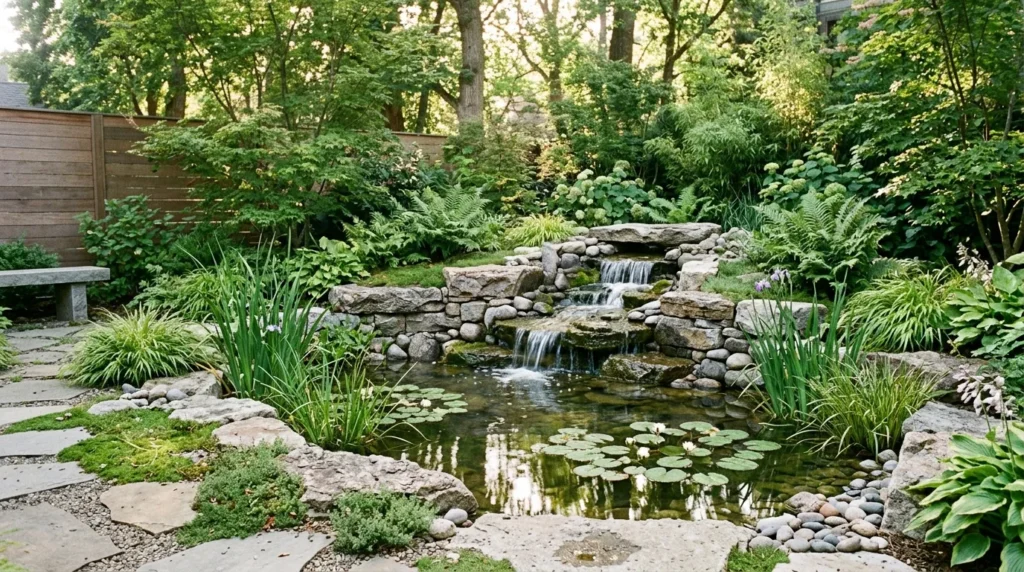
Bullet Points:
- Adds movement and relaxing sounds.
- Supports birds and pollinators.
- Can include fountains, waterfalls, or reflective pools.
- Enhances focal points in the garden.
- Works well with lighting and stone pathways.
Paragraph 1 (99 words):
Water features are one of the most transformative elements in modern gardens. I’ve seen small backyards instantly feel like retreats when fountains or mini waterfalls are installed. Flowing water adds sensory appeal, creating a soothing ambiance that encourages relaxation. Materials like natural stone, copper, or ceramic blend beautifully with greenery, creating a polished yet organic feel. Water features are not just decorative; they attract wildlife and improve microclimates. Proper placement near seating areas or entrances amplifies impact, while combining with aquatic plants creates harmony. Modern gardening embraces these elements to merge functionality with tranquil beauty.
Paragraph 2 (95 words):
Water features provide visual interest and dynamic energy, particularly when paired with surrounding plantings. In my experience, cascading waterfalls or reflective ponds create a calming focal point that enhances the overall design. Incorporating lighting under or around the water produces stunning evening effects, while subtle edging with stone or wood completes the look. Regular cleaning and water circulation prevent stagnation, ensuring a healthy, appealing feature. By integrating design, sound, and movement, water features elevate modern gardening from simple landscaping to an immersive outdoor experience, making gardens feel like personal retreats or inviting gathering spots.
Extra Tips:
- Use pumps with adjustable flow for varying sounds.
- Plant marginal plants to integrate water naturally.
- Include seating nearby to enjoy the feature fully.
4. Outdoor Lighting
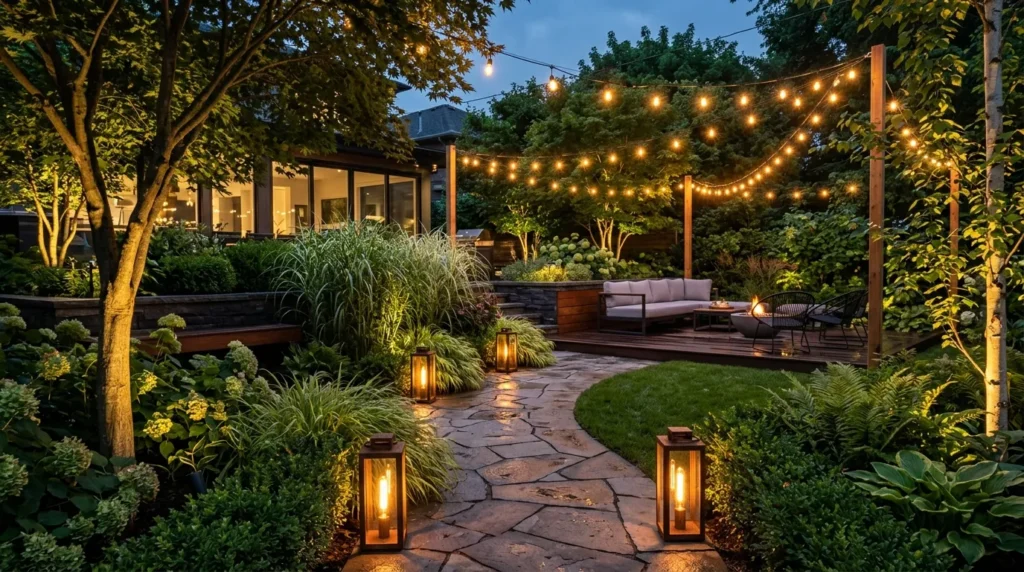
Bullet Points:
- Highlights architectural and plant features.
- Increases usability during evening hours.
- Enhances safety along walkways and stairs.
- Can use solar, LED, or string lights.
- Creates layered ambiance for modern aesthetics.
Paragraph 1 (98 words):
Lighting is essential to extend the usability of your garden while enhancing its visual appeal. I’ve observed how simple string lights, lanterns, or solar stakes completely transform ordinary yards into intimate, modern sanctuaries. Outdoor lighting highlights key features, from tall trees to water elements, while also improving safety along pathways. Warm tones are preferable to harsh white light, maintaining a welcoming atmosphere. Modern designs favor energy-efficient, low-maintenance options that blend seamlessly with surroundings. By thoughtfully layering accent, ambient, and path lighting, you create depth and mood, turning the garden into an inviting space at any hour.
Paragraph 2 (95 words):
Well-designed lighting not only illuminates but also adds drama and sophistication. I’ve seen gardens gain visual hierarchy by uplighting focal trees, under-lighting benches, or outlining planters with soft LED strips. Solar lighting reduces wiring complexity, and dimmable fixtures allow mood customization. Outdoor lighting also enables practical activities like evening gardening or dining outdoors. Combining light with texture, such as highlighting stone walls or metallic features, enhances modern design. In my experience, effective lighting harmonizes form and function, making your garden both beautiful and usable while elevating the modern gardening experience for homeowners seeking visual elegance and everyday practicality.
Extra Tips:
- Use timers for energy efficiency.
- Integrate motion sensors for security.
- Mix textures and intensities for layered effects.
5. Minimalist Pathways
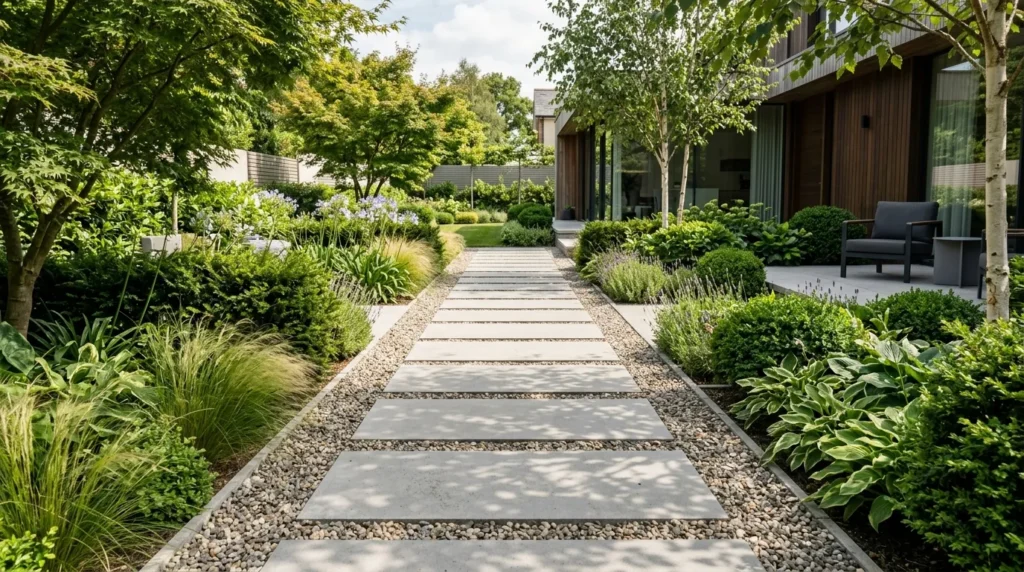
Bullet Points:
- Directs movement and protects plantings.
- Adds modern geometric lines.
- Can combine stone, gravel, or concrete slabs.
- Integrates lighting and low greenery.
- Guides visitors through functional and decorative spaces.
Paragraph 1 (97 words):
Minimalist pathways create structure, guiding movement while visually connecting different areas. I’ve seen simple, clean paths elevate a garden, balancing greenery with walking spaces. Using materials like natural stone, concrete, or gravel keeps a modern, uncluttered aesthetic. Pathways also frame garden beds, water features, or seating areas, creating intentional sightlines. By alternating textures, widths, or materials, homeowners can inject subtle rhythm and visual intrigue. These designs emphasize simplicity, drawing attention to plantings and other design features while keeping the garden functional, safe, and accessible without sacrificing modern elegance.
Paragraph 2 (99 words):
Pathways do more than direct traffic—they enhance the garden experience. I’ve noticed how stepping stones, gravel strips, or wide concrete slabs can create contrast, depth, and sophistication. Combining low ground covers, grasses, or lighting along the path adds softness and usability. Proper grading and drainage prevent puddling or erosion, ensuring longevity and minimal maintenance. Integrating pathways with other garden elements creates a seamless, curated feel. Minimalist pathways turn ordinary yards into modern showcases, offering an easy-to-navigate, visually appealing layout that elevates your outdoor space while reinforcing the principles of contemporary, functional gardening.
6. Contemporary Patio Seating
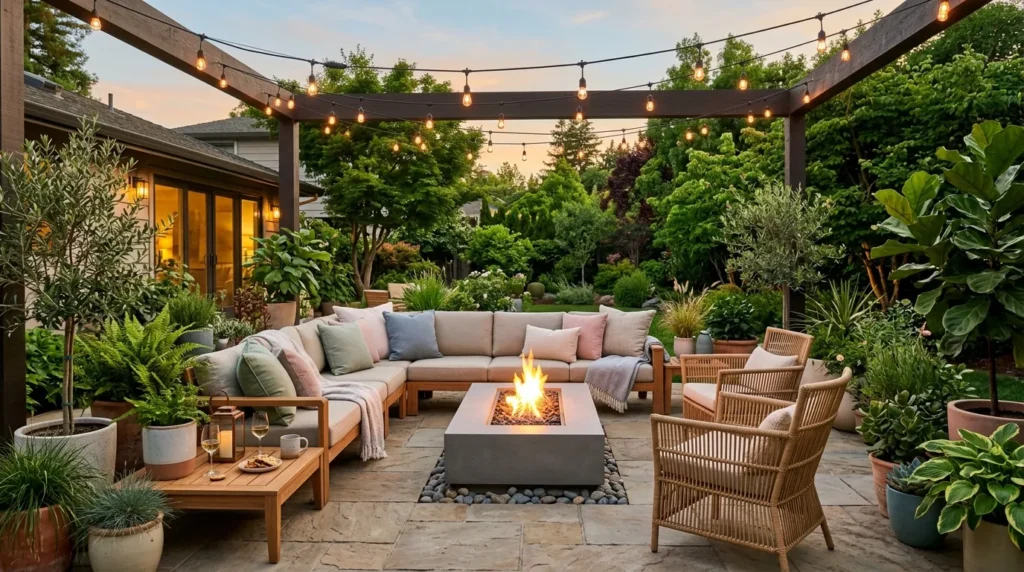
Bullet Points:
- Provides functional outdoor lounging areas.
- Blends modern furniture with garden style.
- Can include modular sofas, loungers, or benches.
- Durable materials like teak, metal, or rattan.
- Integrates cushions, planters, and lighting for comfort.
Paragraph 1 (98 words):
Contemporary patio seating transforms gardens into inviting social hubs. I’ve seen homeowners combine modular sofas, benches, and loungers to create flexible spaces for entertaining or relaxation. Materials like teak, powder-coated metal, or synthetic rattan offer durability and weather resistance, while neutral tones complement greenery. Using outdoor cushions in muted or pastel shades softens hard surfaces and enhances comfort. Arranging furniture to face focal points, like a water feature or fire pit, encourages conversation and enjoyment. Patio seating not only adds practicality but also elevates the modern aesthetic of your garden, turning it into an extended living area.
Paragraph 2 (97 words):
The transformation is immediate—functional seating encourages more time spent outdoors. In my experience, layering rugs, side tables, and potted plants around seating areas creates depth and visual interest. Lighting like string lights or lanterns ensures usability at night while reinforcing a cozy mood. Modular layouts allow for rearrangement depending on gatherings or family needs. The result is a modern, stylish patio that complements landscaping and fosters connection. Contemporary seating marries design with practicality, making outdoor spaces enjoyable year-round while enhancing the overall visual impact of your modern gardening setup.
7. Succulent Arrangements
Bullet Points:
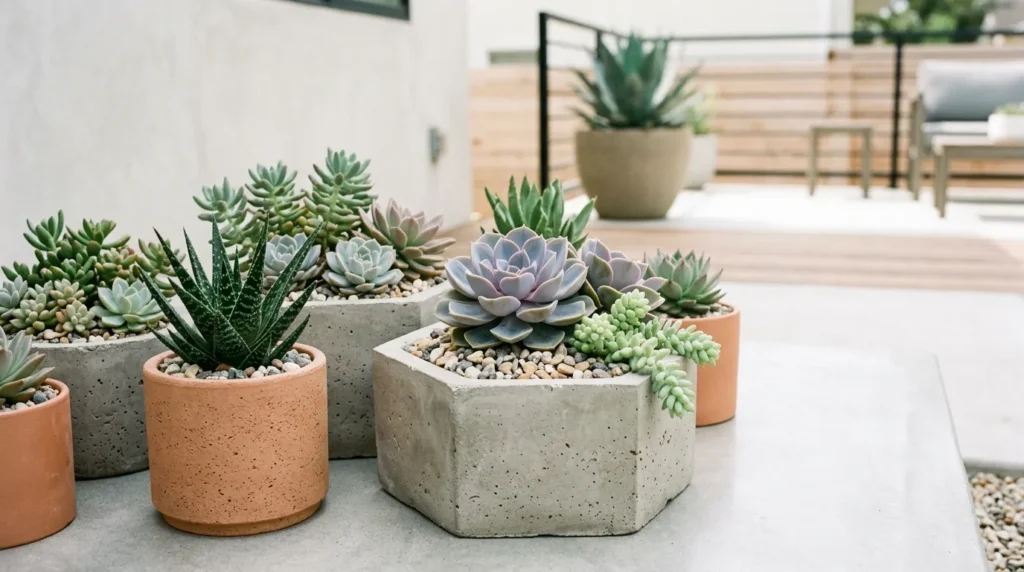
- Low-maintenance and drought-tolerant plants.
- Adds texture and color variety.
- Perfect for containers, rock gardens, or borders.
- Mix sizes and shapes for visual interest.
- Works indoors and outdoors for versatility.
Paragraph 1 (95 words):
Succulent arrangements are a staple in modern gardening due to their low maintenance and sculptural appeal. I’ve noticed homeowners use them in containers, raised beds, or rock gardens to create layered textures. Varieties like echeveria, aloe, and sedum add shapes and color contrast, while small pebbles or sand enhance visual interest. Their drought tolerance makes them ideal for busy lifestyles or areas with water restrictions. By grouping succulents in varying heights, colors, and shapes, you can achieve a dynamic, artistic look that feels both contemporary and natural, blending seamlessly into any garden style.
Paragraph 2 (94 words):
Succulent arrangements offer easy customization—changing containers, adding stones, or incorporating driftwood can refresh a display seasonally. I’ve seen small patios transformed with tabletop succulent gardens that double as conversation pieces. Pairing succulents with complementary greenery or flowering plants enhances diversity. Container materials like concrete, terracotta, or metal add modern texture and structure. Proper drainage and occasional watering ensure longevity, while creative layering adds dimension. Succulent arrangements demonstrate how thoughtful plant selection and design elevate modern gardening, creating visually striking, low-maintenance focal points in both indoor and outdoor spaces.
8. Outdoor Fire Pit
Bullet Points:
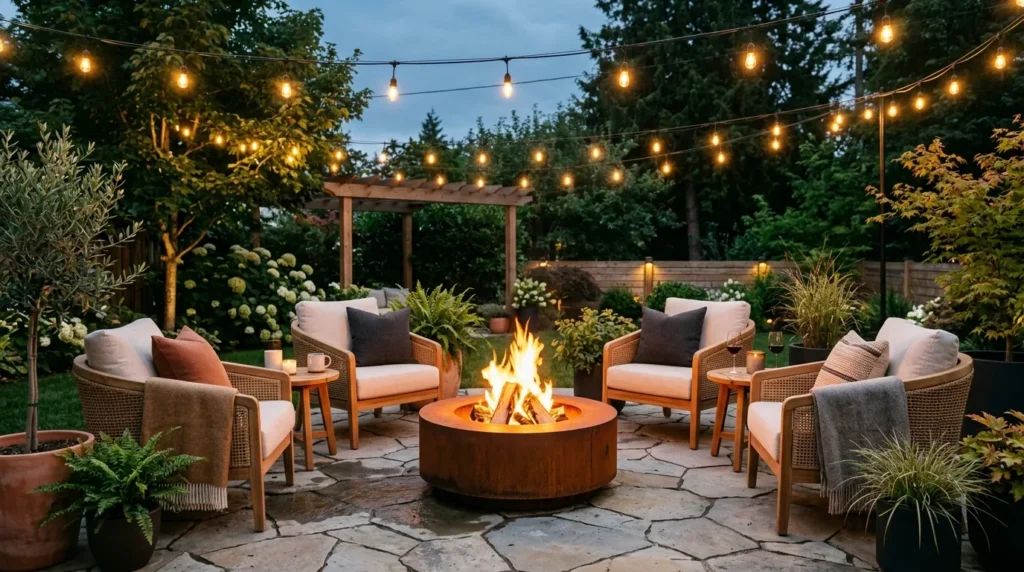
- Creates a central gathering spot.
- Enhances warmth for evening use.
- Can be built-in stone, metal, or portable.
- Complements seating areas and landscaping.
- Adds visual interest and cozy ambiance.
Paragraph 1 (96 words):
An outdoor fire pit is a must-have for modern gardens, offering warmth and a social focal point. I’ve seen backyards completely transform with a central fire feature surrounded by seating, creating a gathering space for evenings or cool seasons. Materials like natural stone, concrete, or corten steel provide durability while contributing to contemporary design. Fire pits can be round, square, or custom geometric shapes, enhancing modern aesthetics. Incorporating them with surrounding lighting, cushions, and plants creates a cozy, functional space that invites family and friends to linger and enjoy the outdoors year-round.
Paragraph 2 (97 words):
Beyond aesthetics, fire pits extend the usability of outdoor spaces. I’ve noticed that adding safety elements, like gravel surrounds or heat-resistant surfaces, ensures a worry-free experience. Pairing fire pits with modular seating or built-in benches creates cohesive design. The glow of flames reflects off surrounding materials, creating warmth and visual appeal. Portable fire features allow flexibility, while permanent installations can act as a landscaping anchor. A well-placed fire pit combines ambiance, functionality, and modern design principles, transforming a simple backyard into a multifunctional living area that maximizes both style and comfort in outdoor modern gardening.
9. Native Plantings
Bullet Points:
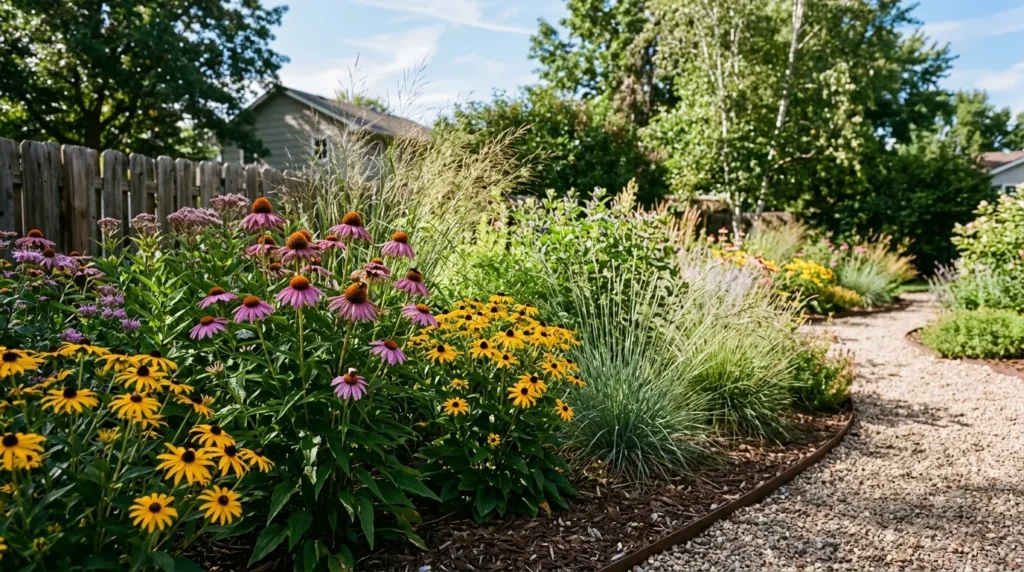
- Supports local ecosystem and pollinators.
- Low-maintenance and drought-resistant.
- Creates natural, flowing garden aesthetics.
- Works for borders, meadows, or focal points.
- Blends with modern landscaping for authenticity.
Paragraph 1 (97 words):
Incorporating native plantings strengthens local biodiversity while simplifying garden maintenance. I’ve noticed that using plants indigenous to your region, like coneflowers, black-eyed Susans, or ornamental grasses in the USA, reduces water needs and supports pollinators. Native plants naturally adapt to soil and climate conditions, thriving with minimal care. Their seasonal textures, colors, and forms create movement and visual interest in a garden. Designers recommend combining flowering natives with evergreen foliage to maintain structure year-round. Native plantings not only enhance environmental sustainability but also create a natural, flowing aesthetic that complements modern garden layouts.
Paragraph 2 (96 words):
Native plantings can serve multiple purposes—filling borders, creating wildflower meadows, or acting as natural privacy screens. In my experience, mixing heights, bloom times, and leaf textures ensures continuous visual appeal. Integrating mulch or decorative stone enhances soil health and contrast, while grouping by water needs simplifies irrigation. Native plant gardens attract butterflies, bees, and birds, enriching outdoor experiences. This approach combines practicality with design, making modern gardening environmentally friendly yet visually striking. By selecting region-specific species, you create a garden that is resilient, low-maintenance, and authentically connected to the surrounding landscape.
10. Outdoor Kitchens
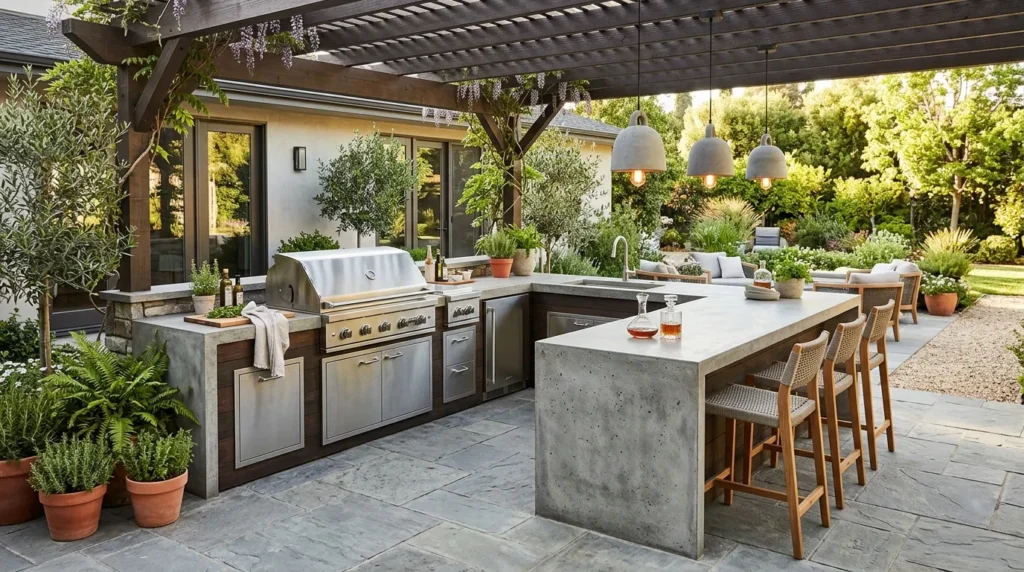
Bullet Points:
- Extends entertaining spaces outdoors.
- Includes grill, countertop, sink, and storage.
- Durable materials like stainless steel, stone, or concrete.
- Integrates seating, lighting, and shade structures.
- Modern design enhances functionality and style.
Paragraph 1 (95 words):
Outdoor kitchens are an ultimate modern gardening feature, merging culinary function with entertaining style. I’ve noticed that integrating grills, countertops, sinks, and storage units allows homeowners to cook and socialize seamlessly. Durable materials like stainless steel, stone, and concrete withstand outdoor conditions while maintaining a contemporary aesthetic. Proper layout design ensures efficiency and flow, connecting prep areas with seating or dining spots. Adding shade structures, lighting, and decorative elements transforms cooking into a full outdoor experience. Outdoor kitchens elevate backyard usability, blending food, family, and modern garden design into a cohesive, stylish environment.
Paragraph 2 (96 words):
The impact of an outdoor kitchen is both functional and social. I’ve seen families enjoy outdoor meals year-round when equipped with weatherproof appliances and comfortable seating. Lighting, countertops, and decorative planters enhance usability and appearance. Including multipurpose islands or bar areas encourages casual gatherings while maintaining a clean layout. Planning for workflow, storage, and easy cleaning ensures convenience. Outdoor kitchens transform simple backyards into sophisticated entertainment zones, harmonizing modern gardening principles with lifestyle practicality. Thoughtful design creates spaces that are visually appealing, highly functional, and perfect for family or social events.
11. Edible Landscaping
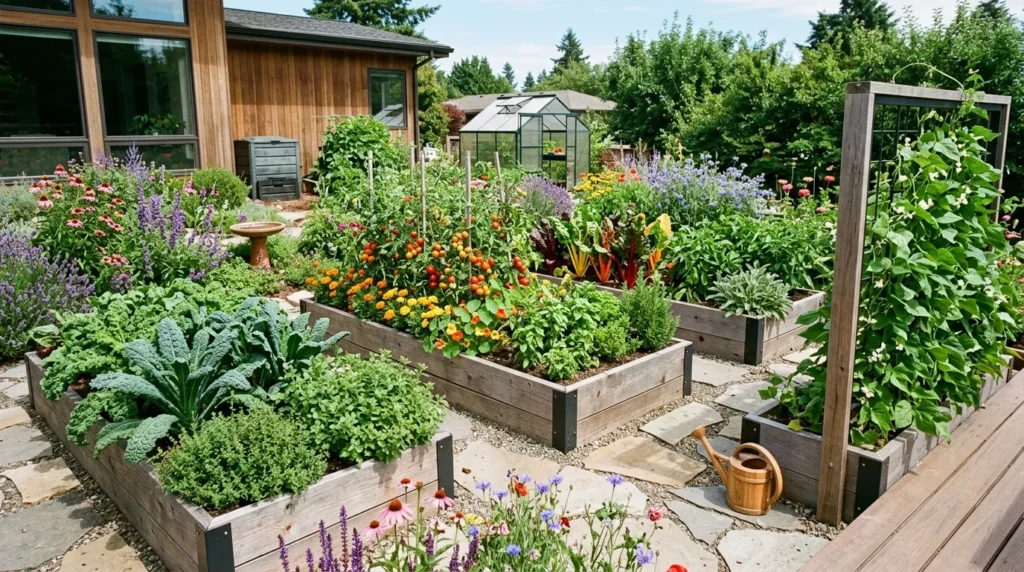
Bullet Points:
- Combines beauty and food production.
- Includes vegetables, fruits, herbs, and berries.
- Can be integrated into beds, containers, or vertical setups.
- Encourages sustainable, self-sufficient gardening.
- Blends aesthetics with practicality for modern homes.