
Bullnose Tile vs Schluter Jolly Edge for Shower Niche Trims
Choosing between bullnose tile vs Schluter Jolly edge for shower niche trims determines both the longevity and the aesthetic character of your bathroom renovation. While traditional ceramic bullnose relies on the manufacturer’s matching glaze to cover exposed edges, metal profiles offer a modern, architectural finish that protects fragile corners from impact. Deciding which approach suits your space requires balancing your design goals against your budget and installation expertise.
This article provides a clear comparison of these two popular methods, helping you understand how each choice influences the final look of your shower. By evaluating material durability, installation complexity, and aesthetic versatility, you will gain the confidence to select the best edge treatment for your upcoming project.
Understanding the Aesthetic Differences
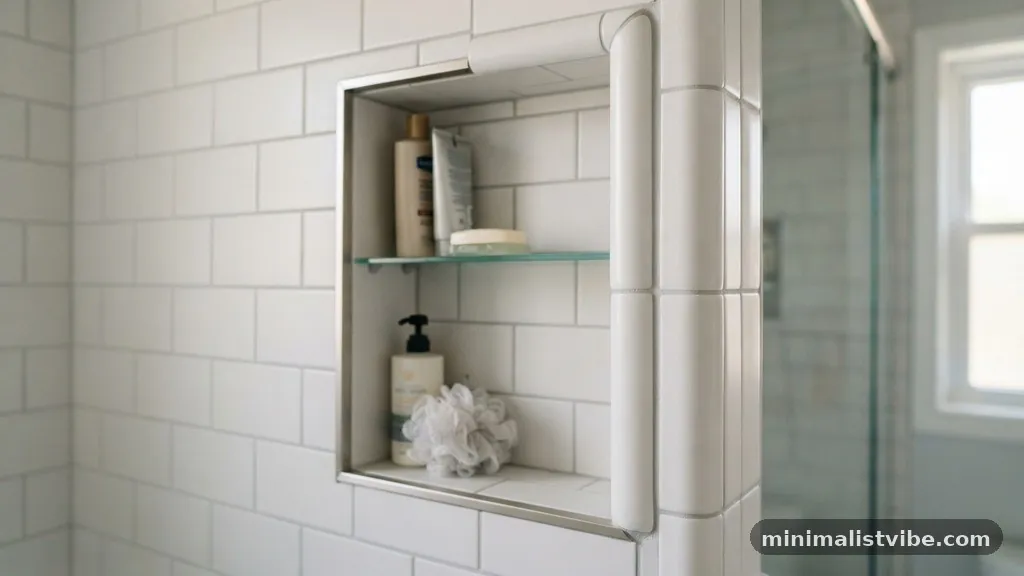
The most immediate distinction between these two options lies in their visual impact on the finished space. A bullnose tile, which features a rounded, factory-finished edge, creates a softer, more traditional transition.
Because the rounded edge is part of the tile itself, it maintains a monochromatic look that integrates perfectly with the surrounding wall. This is a common choice for homeowners aiming for a classic, understated appearance where the tile remains the primary focus of the wall surface.
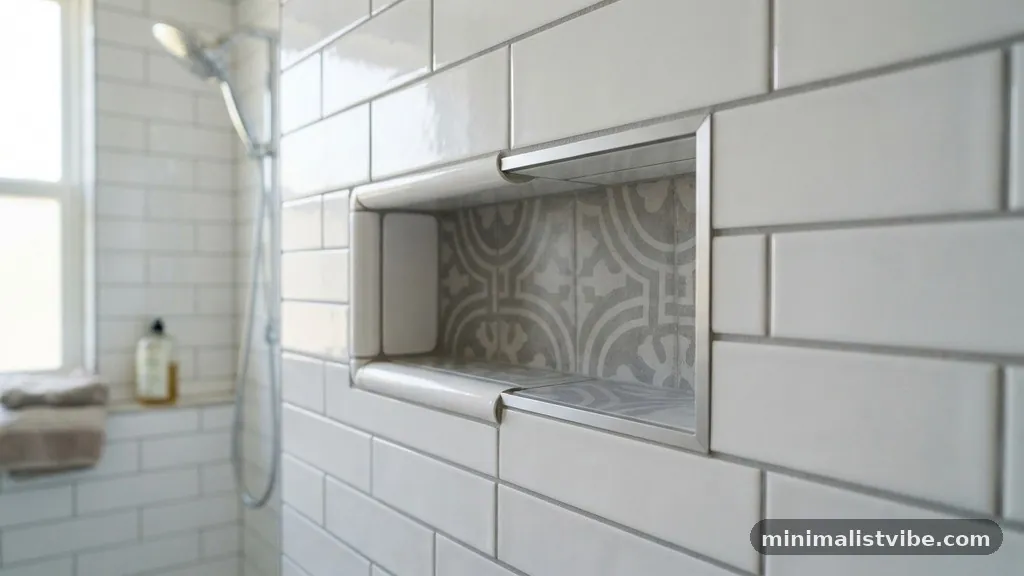
In contrast, a Schluter Jolly profile introduces a distinct geometric line that frames the niche. This metal trim is designed to provide a crisp, clean edge that highlights the architecture of the shower. Because it is a separate component, you can choose from various finishes, such as matte black, brushed nickel, or polished chrome, to complement your plumbing fixtures.
This creates a intentional contrast that defines the niche space, making it feel like a purposeful design element rather than just a hole in the wall. If you prefer a modern, industrial, or minimalist aesthetic, the linear precision of a metal profile often outperforms the softer curves of ceramic alternatives.
Comparing Material Durability and Maintenance
When considering the long-term performance of your shower, material composition matters. Ceramic or porcelain bullnose tiles are essentially the same material as your field tiles. They are highly resistant to moisture, do not rust, and are generally impervious to the standard cleaning chemicals used in bathrooms.
However, they are susceptible to chipping if a heavy shower accessory is dropped directly onto the edge. Once a ceramic edge is chipped, the raw clay body underneath is often exposed, which can be an eyesore that is difficult to repair without replacing the entire tile.
Schluter Jolly profiles are typically made from extruded aluminum or stainless steel. These materials are incredibly durable and resistant to impact, which is why they are often preferred in high-traffic shower areas. A metal edge is far less likely to suffer a catastrophic chip than a ceramic one.
However, depending on the finish, some metal profiles may be susceptible to scratching or, in the case of lower-quality metals, corrosion if exposed to harsh acidic cleaners over time. Ensuring you choose high-quality anodized aluminum or stainless steel is essential for maintaining a pristine appearance for years.
Evaluating Installation Complexity
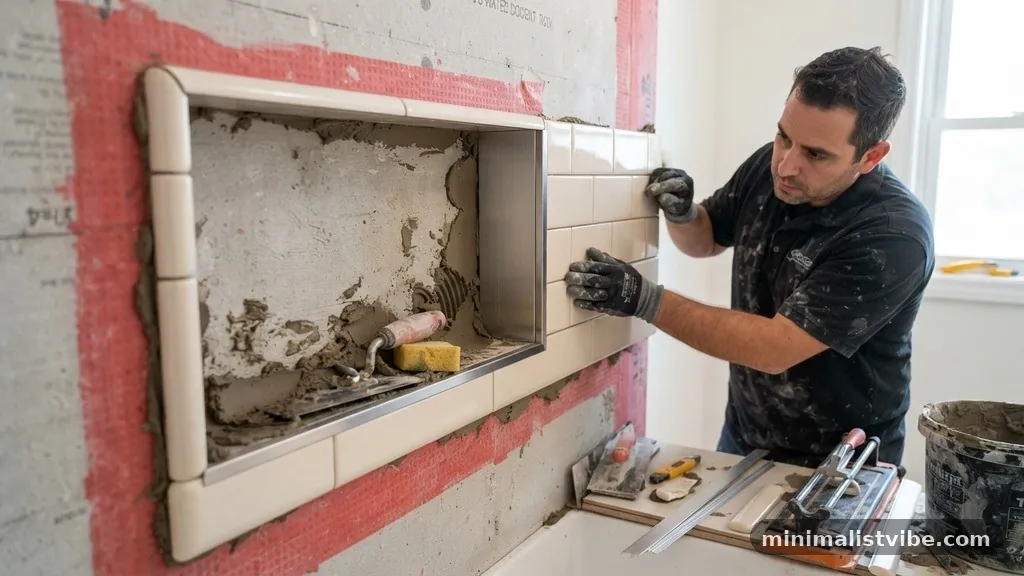
Installation is often the deciding factor for many DIY enthusiasts and professional installers. Working with bullnose tiles requires precise planning during the initial layout phase. You must account for the specific width of the bullnose and ensure that your wall tiles align perfectly to avoid awkward slivers or uneven grout lines.
Because the bullnose is thicker than a standard tile, you may need to adjust your thin-set application to keep the face of the tiles flush. It requires a high level of skill to miter the corners of bullnose tiles if you want a perfect 45-degree angle, which is a common point of frustration for beginners.
Schluter profiles simplify the process by acting as a guide for your tile placement. You install the profile first, which then acts as a leveling edge for the surrounding tiles. This eliminates the need to miter the tiles themselves; instead, the tile simply butts up against the vertical flange of the profile.
This method is generally more forgiving for less experienced installers. You do not have to worry about matching the glaze of the tile to the edge, as the metal profile provides a consistent, factory-finished border regardless of the tiles you choose. You can find detailed technical specifications for various metal profiles on the Schluter Systems official website to ensure your installation meets manufacturer standards.
Cost Considerations for Your Project
The financial investment between these two methods can vary significantly based on your specific tile choice. Bullnose tiles are often sold by the piece, and they can sometimes be surprisingly expensive compared to the standard field tile.
If your project requires a large quantity of bullnose to wrap multiple edges in a complex niche, the total cost can add up quickly. Furthermore, if you are using high-end imported stone or specialty ceramic, the matching bullnose pieces may be subject to long lead times, potentially delaying your bathroom renovation.
Schluter profiles are sold in standard lengths, usually around eight feet, which allows for better material optimization and less waste. While the initial price per piece of metal trim might seem high, the ability to cut exactly what you need often results in a more cost-effective solution for larger or more intricate niche designs.
Additionally, because these profiles are widely available through most tile retailers, you avoid the procurement headaches associated with finding matching bullnose pieces for discontinued or custom tile lines. When calculating your budget, remember to factor in the cost of the specific transition pieces or corners that the metal system might require.
Managing Corner Transitions
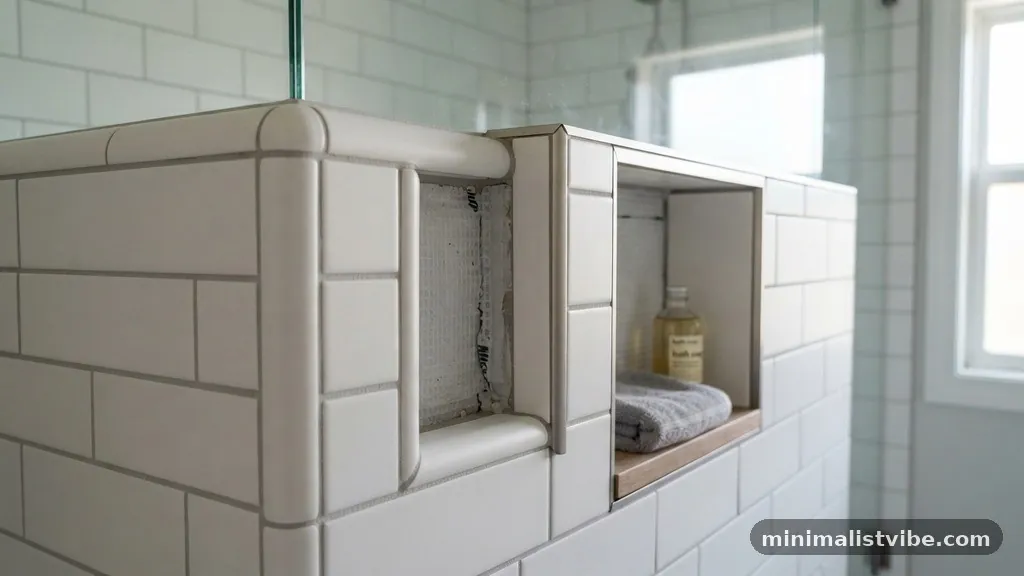
One of the most challenging aspects of any shower niche is how to handle the inside and outside corners. With bullnose tiles, you are essentially forced to create a butt joint or a mitered joint.
Mitered joints look the most professional, but they require a steady hand and a high-quality wet saw to prevent the glaze from chipping. If the miter is not perfect, you are left with a jagged gap that must be filled with caulk or grout, which can eventually discolor and crack.
Schluter Jolly profiles offer dedicated corner pieces and caps that solve this problem entirely. These accessories are designed to slide over the ends of the profiles, covering the raw cut edges and creating a smooth, professional intersection.
This removes the guesswork from corner work and ensures that every junction is watertight and visually consistent. For homeowners who are worried about the “unfinished” look of a mitered tile edge, the availability of these pre-manufactured corner accessories makes the metal profile a much more attractive, low-stress option.
Design Flexibility and Variety
Choosing between these options also impacts your ability to mix and match materials. Bullnose tiles are almost always tied to a specific tile collection. If you fall in love with a tile that doesn’t offer a matching bullnose, you are essentially stuck.
You might be forced to find a coordinating color, which rarely looks as good as a perfect match, or you might have to abandon the tile choice altogether. This lack of flexibility can be a major hurdle when designing a custom space.
Metal profiles, however, provide complete design freedom. You can use any tile—porcelain, ceramic, glass, or stone—and pair it with a neutral metal finish. This allows you to combine textures and colors in ways that weren’t possible with traditional ceramic edges.
For example, a sleek black metal profile can frame a bold, patterned tile, creating a high-contrast look that feels intentional and modern. If you want to experiment with different tile shapes or sizes, the versatility of a universal metal profile is an invaluable asset for your creative vision.
Impact on Waterproofing and Grout
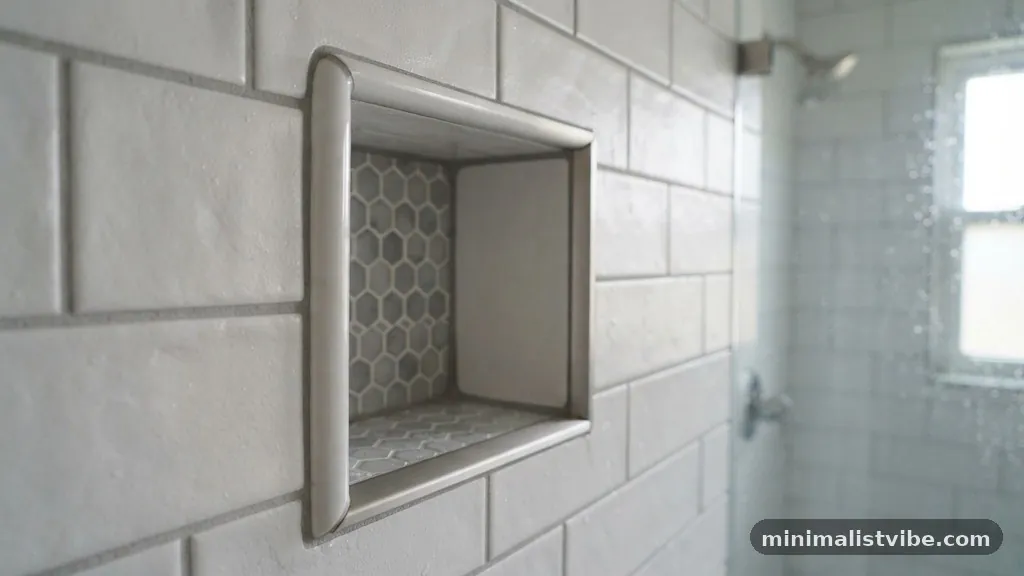
Waterproofing is the most critical part of any shower construction, and your choice of edge trim can influence how well your system performs. When using bullnose tile, the transition between the tile and the wall board relies on a solid bed of thin-set and a well-applied bead of silicone caulk. Because there is a grout joint between the bullnose and the field tile, there is a small potential for water infiltration if the grout cracks over time.
Schluter systems are designed with an integrated anchoring leg that gets embedded directly into the mortar bed. This creates a secure, structural connection that is less prone to movement. Because the profile physically separates the tile from the edge of the board, it provides a cleaner, more defined space for your final silicone bead.
This creates a more reliable moisture barrier at the most vulnerable points of the niche. Always ensure that the waterproofing membrane behind your tiles is continuous and that the trim profile is properly bedded in thin-set to maintain the integrity of the shower wall.
Common Mistakes to Avoid
Regardless of which method you choose, there are several pitfalls that can compromise your final result. With bullnose tiles, the most common mistake is failing to account for the thickness of the bullnose edge when planning the rough opening of your niche.
This often leads to tiles that don’t sit flush, creating a “lippage” issue that looks messy and creates a ledge for water to sit on. Always dry-fit your tiles before applying the final mortar to ensure everything aligns as intended.
When using Schluter Jolly profiles, the most frequent error is improper cutting. Using a standard hacksaw can leave burrs and jagged edges on the metal, which are difficult to hide. Always use a high-quality metal cutting blade on a miter saw or an angle grinder with a thin metal-cutting disc for a clean, smooth cut.
Another common mistake is failing to clean the excess thin-set off the face of the metal profile immediately after installation. Once the mortar dries on the finish of the metal, it can be extremely difficult to remove without scratching the surface. Keep a damp sponge and a soft cloth on hand to wipe away any residue as you work.
Professional Installation Techniques
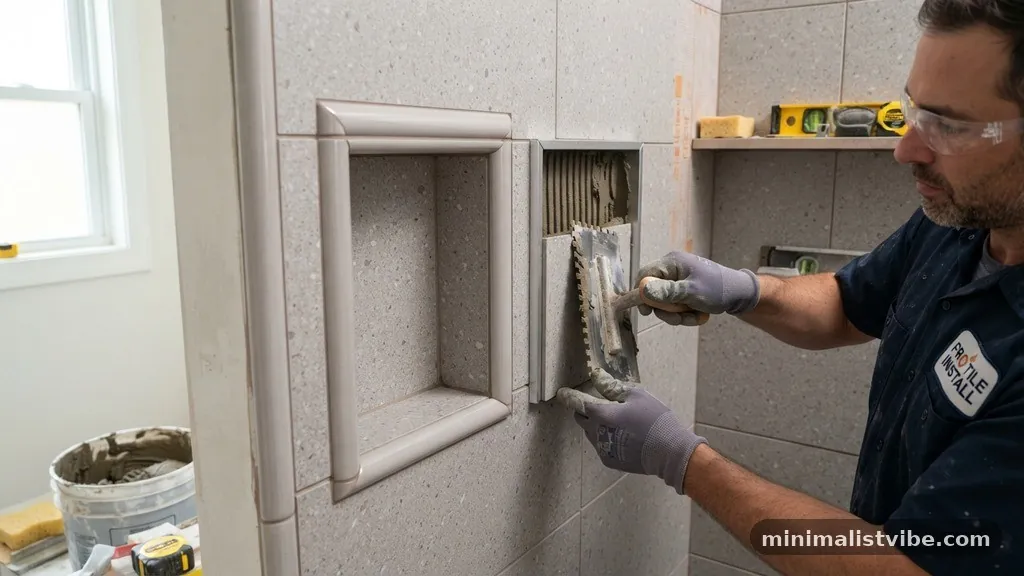
If you decide to hire a contractor, understanding their preferred method is important. Some installers will push for bullnose tile because they have a specific way of working that they are comfortable with, while others prefer the speed and precision of metal profiles.
Ask your installer to show you examples of their previous work with both methods. A skilled professional will be able to explain the pros and cons of each in the context of your specific tile choice.
If you are performing the installation yourself, take the time to practice your cuts on scrap pieces of material. Whether you are mitering a tile or cutting a metal profile, the quality of your cuts will define the look of the finished niche.
Use a level to ensure that your vertical and horizontal lines are perfectly straight, as even the smallest deviation will be amplified once the grout is applied. Remember that the goal is to create a transition that is both functional and aesthetically pleasing; take your time, measure twice, and ensure that your materials are properly supported during the curing process.
Selecting the Right Finish for Your Space
Once you have decided on the type of trim, you need to select the color and finish that best suits your bathroom design. If you are leaning toward the bullnose option, you are generally limited to the manufacturer’s color palette.
If you are choosing a metal profile, you have a vast array of finishes at your disposal. Matte finishes are currently very popular because they hide fingerprints and water spots better than polished options, making them a practical choice for a shower environment.
Consider the other hardware in your bathroom when making your selection. If you have brushed gold or oil-rubbed bronze faucets, look for a profile finish that complements those tones.
You don’t always need a perfect match, but the metal trim should exist in the same color family as your other fixtures to maintain a cohesive design. If you are unsure, a neutral finish like brushed stainless steel or matte white is almost always a safe bet that will age well with the rest of your bathroom design.
Frequently Asked Questions
Is it harder to clean a metal edge than a bullnose tile?
Generally, both are easy to clean, but metal profiles can sometimes be prone to water spotting if you have hard water. A quick wipe-down with a soft cloth and a mild, non-abrasive cleaner will keep the metal looking new. Bullnose tiles are essentially ceramic, so they clean exactly like the rest of your shower tiles.
Can I use Schluter Jolly trim with any type of tile?
Yes, these metal profiles are designed to be used with a wide variety of materials, including ceramic, porcelain, glass, and natural stone. The main requirement is that the thickness of your tile matches the depth of the profile’s channel, which is why it’s important to check the specifications before you buy.
Do I need special tools to install metal tile trim?
You will need a saw capable of cutting metal, such as a miter saw with a non-ferrous metal blade or an angle grinder with a thin metal-cutting wheel. Other than that, you use the same tools as you would for tiling, such as a notched trowel and a rubber grout float.
What happens if I make a mistake cutting the metal profile?
Unlike tile, which can sometimes be salvaged or recut if the piece is large enough, a metal profile is usually ruined if you make a significant cutting error. Always buy an extra length of trim to account for potential mistakes, especially if you are new to the process.
Are there alternatives to both bullnose and Schluter?
While these are the two most popular options, you could also use a stone or wood pencil liner, or simply leave the edge raw if you are using a through-body porcelain tile that looks good on the side. However, these methods often lack the durability and finished look of the two primary options discussed.
Choosing Your Edge Trim
Deciding between bullnose tile vs Schluter Jolly edge for shower niche trims is a fundamental step in achieving a professional bathroom finish. By weighing the traditional, soft look of bullnose against the modern, durable, and versatile nature of metal profiles, you can tailor your choice to fit your specific design goals and installation capability. Remember that the best approach for your project is one that balances your aesthetic preferences with the realities of maintenance and ease of installation.
Whether you opt for the seamless integration of matching tile or the crisp, architectural definition provided by a metal profile, the key to success lies in careful planning and precise execution. Take your time during the layout phase, invest in high-quality materials, and ensure your cuts are clean and accurate.
Once installed correctly, your choice of trim will provide a functional and beautiful frame for your shower for many years. We encourage you to look at samples of both options in your space to see how they interact with your lighting and surrounding decor before making your final selection.