
10 Dream Interior Design Ideas for Every Home
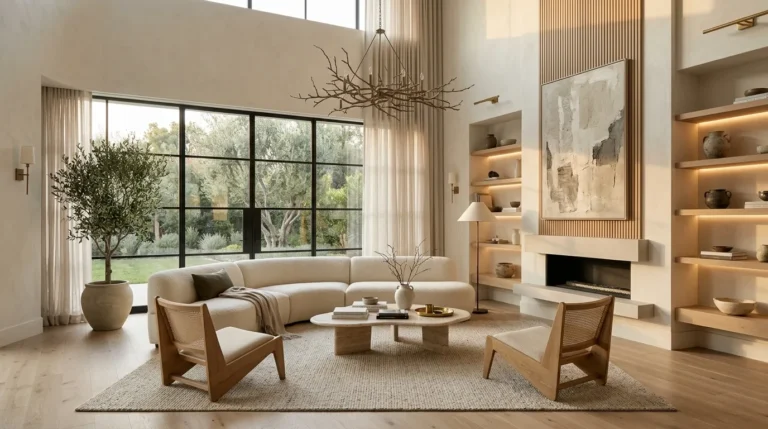
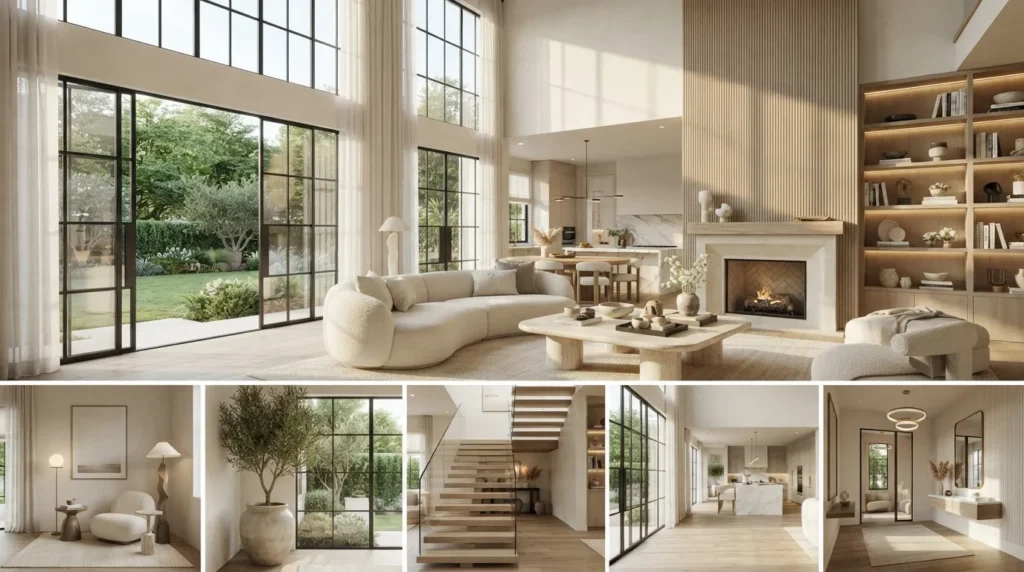
There is a profound difference between a house that simply shelters your belongings and a home that actively restores your energy. Over the years, I’ve noticed that the most memorable spaces—the ones that make you exhale the moment you cross the threshold—rarely rely on sprawling square footage or priceless antiques. Instead, they thrive on intentional design choices that honor how we actually live, move, and rest within our walls.
If you are anything like me, your design boards are likely filled with breathtaking, airy spaces that feel just a bit out of reach. A mistake many homeowners make is assuming that creating a “dream home” requires a structural gut-renovation. In reality, elevated design is about rewriting the sensory experience of a room. It’s about how light moves across a wall, how textures interact when you sit on a sofa, and how smart zoning can make a compact layout feel entirely expansive.
Whether you are looking to breathe new life into a rental apartment or completely redefine a forever home, integrating high-impact architectural and decorative concepts can completely shift your home’s atmosphere. The right design choices have a magical way of making ceilings look taller, dark corners feel inherently cozy, and daily clutter organize itself. Let’s dive into ten exceptionally beautiful, highly practical interior design concepts that bridge the gap between high-end editorial inspiration and real-world, livable luxury.
Table of Contents
- Biophilic Green Oasis – Bringing the restorative power of nature indoors with living elements and organic textures.
- Statement Stone Accents – Utilizing dramatic, high-vein marble and quartzite to create timeless focal points.
- Plaster Texture Walls – Replacing flat paint with old-world lime wash and plaster for incredible depth.
- Custom Architectural Archways – Softening harsh structural lines with elegant, curved entryways.
- Integrated Light Coves – Using hidden LED ambient illumination to create a soft, boutique-hotel glow.
- Monochromatic Neutral Layering – Mixing varying textures within a tight color story for effortless luxury.
- Saturated Cozy Dens – Embracing moody, rich color drenching for spaces meant for evening relaxation.
- Artisanal Tile Backsplashes – Incorporating irregular, handmade ceramics that catch the light beautifully.
- Bespoke Built In Hutch – Crafting seamless storage solutions that mimic historic architectural details.
- Sun Drenched Reading Nooks – Transforming forgotten corners into dedicated, soul-soothing sanctuaries.
1. Biophilic Green Oasis
Quick Benefits
- Lowers daily stress levels naturally
- Improves indoor air quality significantly
- Introduces vibrant, living accent colors
- Softens sleek, modern geometric furniture
- Connects indoor living with outdoor scenery
Why It Works
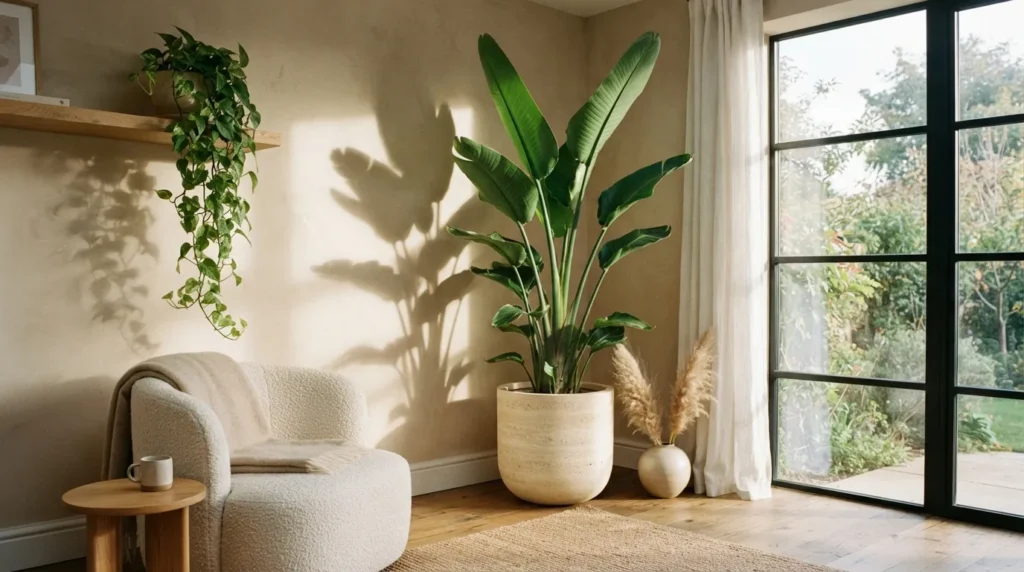
Biophilic design—the practice of connecting our indoor spaces to the natural world—is far more than just a fleeting aesthetic trend. In my experience, incorporating living greenery and raw organic elements directly impacts the emotional resonance of a room, creating a deeply restorative sanctuary. Plants shouldn’t be an afterthought tucked into an empty corner; they should be treated as living architectural sculptures. This approach infuses a home with movement, life, and a soothing energy that instantly counters the coldness of modern screens and synthetic materials.
How To Style It
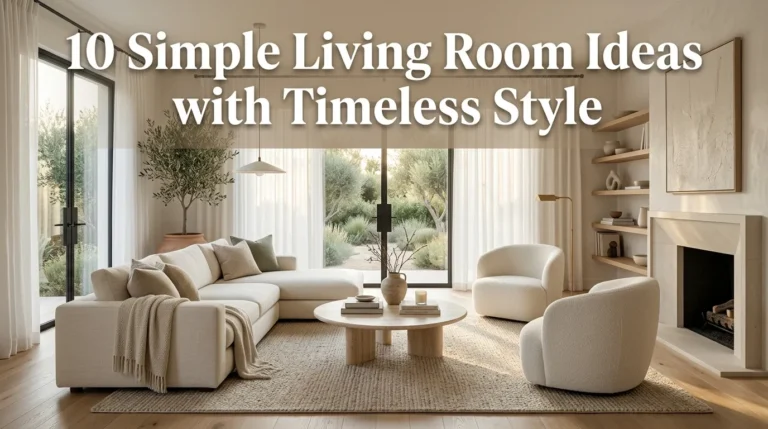
To achieve a high-end biophilic look, think in layers and varying heights. Position a dramatic, large-leaf structural plant like a Fiddle Leaf Fig or a tall Bird of Paradise in an oversized terracotta or travertine floor pot to draw the eye upward. On mantels and floating shelves, introduce trailing varieties like Pothos or String of Hearts to create organic cascading lines. Pair your living elements with raw wood surfaces, woven jute rugs, and unpolished stone accessories to keep the entire texture story grounded, cohesive, and texturally rich.
2. Statement Stone Accents
Quick Benefits
- Serves as an unrepeatable piece of art
- Instantly elevates a room’s luxury status
- Provides an exceptionally durable surface
- Creates a striking visual anchor point
- Pairs beautifully with minimalist cabinetry
Why It Works
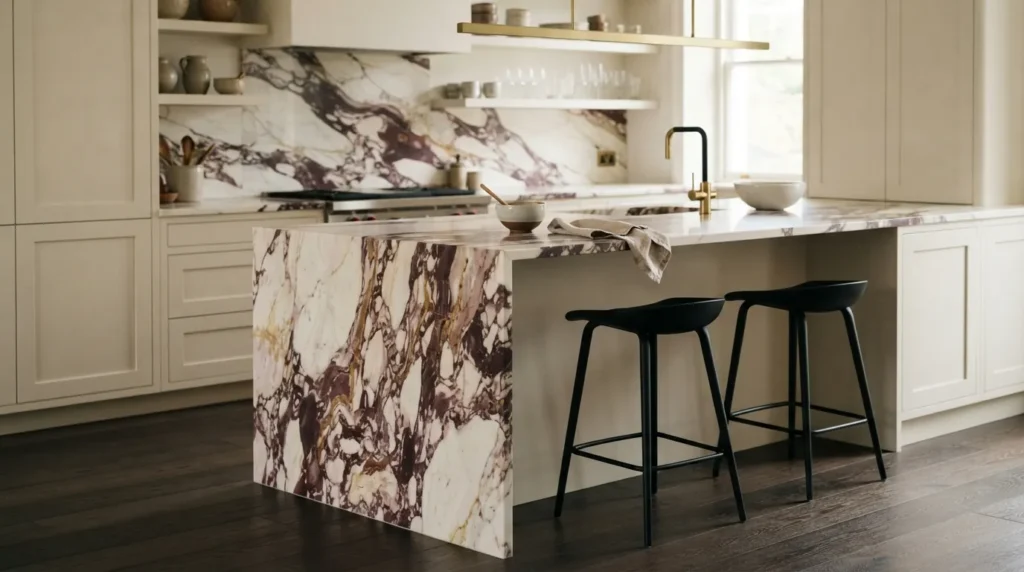
Every room needs a clear visual anchor—a feature that commands attention and sets the tone for the surrounding decor. One thing that works especially well to create instant luxury is a statement stone accent. Moving away from subtle, quiet patterns, designers are embracing high-vein, high-contrast marbles and quartzites like Calacatta Viola, Arabescato, or dramatic green Amazonite. Because no two slabs are ever identical, incorporating a bold stone elements guarantees that your home features a completely unique, unrepeatable piece of natural earth art.
How To Style It
When introducing a highly dramatic stone, let it be the undisputed star of the show. If you are using a high-veined marble for a kitchen island waterfall edge or a fireplace surround, keep the surrounding cabinetry and walls clean, solid, and completely understated. Match the undertone of the stone’s veining (such as a deep burgundy or warm gold) to your smaller room accents, like velvet throw pillows or metal hardware finishes. This creates a brilliant, highly intentional design thread throughout the space.
3. Plaster Texture Walls
Quick Benefits
- Eliminates flat, boring drywall surfaces
- Shags and bounces light beautifully
- Resists everyday scuffs and markings
- Exudes a timeless, historic European feel
- Adds instant movement without busy wallpaper
Why It Works
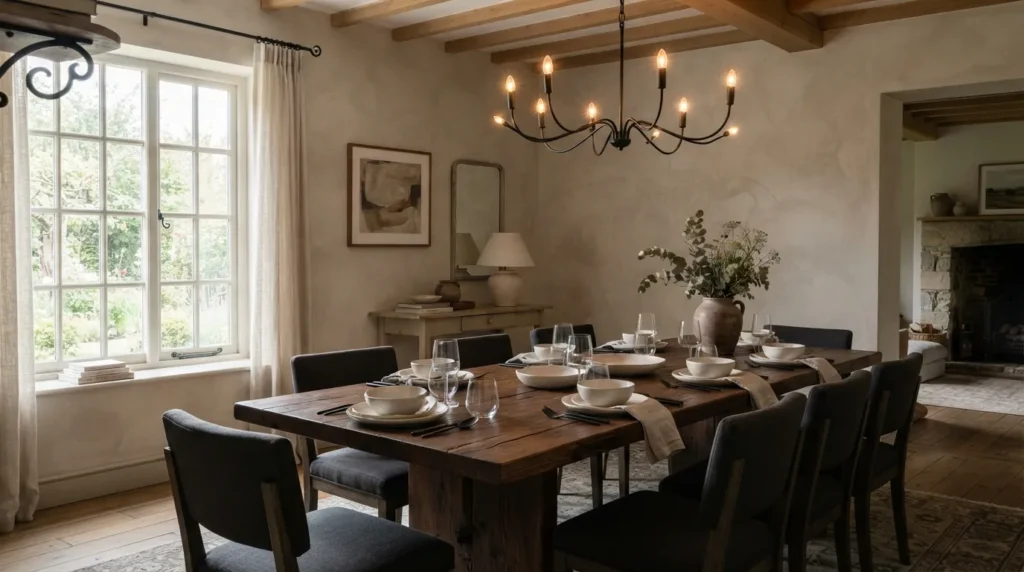
Standard drywall painted with flat latex paint can sometimes leave a room feeling hollow, cold, and one-dimensional. That’s why many designers recommend embracing textured wall finishes like Roman clay, lime wash, or traditional Venetian plaster. These finishes use natural minerals to create a subtle, cloud-like movement across the walls. The delicate variation in texture catches and diffuses daylight beautifully, giving the room a soft, tactile depth that makes the entire home feel instantly historic, hand-crafted, and incredibly expensive.
How To Style It
Plaster finishes look absolutely breathtaking in earthy, muted color stories like soft alabaster, warm sand, or rich taupe. Apply the texture across an entire room rather than just a single accent wall; this wraps the space in a cohesive, enveloping embrace. Pair these textured walls with clean-lined bouclé sofas, matte black iron lighting fixtures, and raw linen drapery panels. The contrast between the smooth, tailored fabrics and the chalky, artisanal walls creates a masterclass in modern interior layering.
4. Custom Architectural Archways
Quick Benefits
- Breaks up boring, boxy room layouts
- Frame views into adjacent rooms beautifully
- Softens harsh, sharp interior angles
- Adds custom, historic architectural character
- Creates a grand, welcoming sense of transition
Why It Works
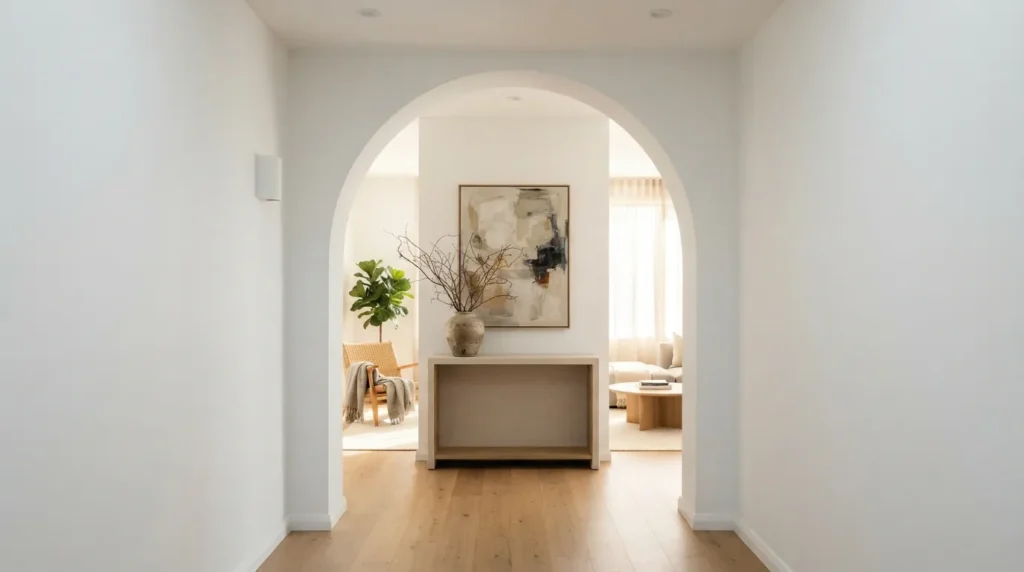
Most standard modern homes are constructed out of strict squares and sharp rectangles, which can occasionally feel rigid and uninspiring. Introducing a custom curved archway instantly breaks up that boxy monotony, adding a soft, organic grace to the home’s flow. Archways act as beautiful structural frames, turning a simple view into an adjacent dining room or hallway into a curated visual vignette. I’ve seen this single architectural update completely transform cookie-cutter builds into custom, character-rich spaces.
How To Style It
You don’t need a historic Mediterranean villa to make this work; you can retroactively soften standard doorways using drywall arch kits. Keep the archway clean and casing-free for a sleek, modern look, or add detailed millwork molding for a more traditional, historic feel. Paint the inner reveal of the arch a subtle contrasting tone to emphasize the depth of the curve. Line the sightline beyond the arch with a beautiful focal point, like a piece of statement art or an elegant console table.
5. Integrated Light Coves
Quick Benefits
- Eliminates harsh, blinding overhead glare
- Replicates the look of luxury boutique hotels
- Distributes a soft, perfectly even ambient glow
- Accents ceiling height and architectural details
- Offers customizable, calming evening lighting
Why It Works
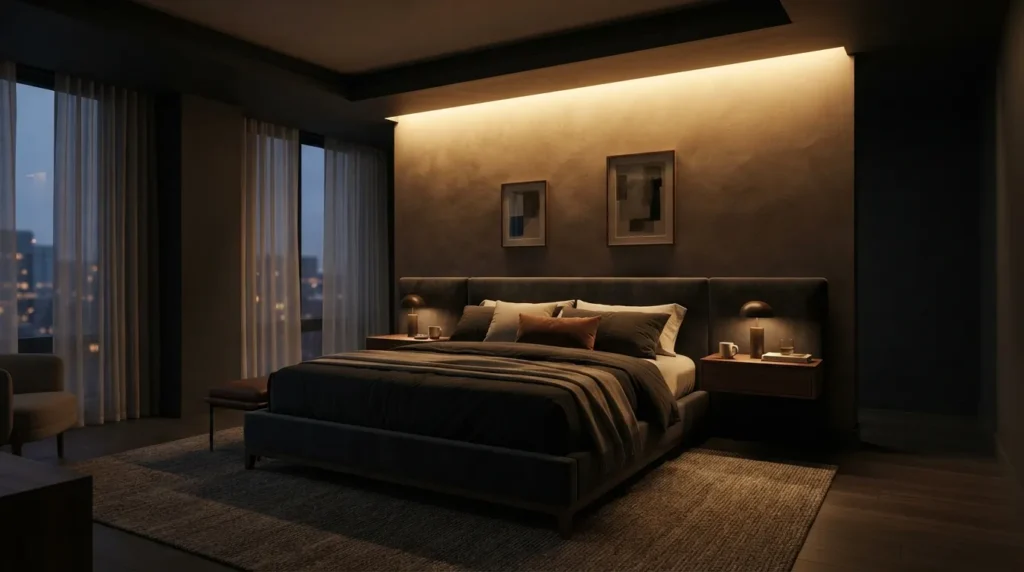
Lighting is the ultimate make-or-break element in interior design. A mistake many homeowners make is relying entirely on a single, blazing overhead recessed light fixture, which casts harsh shadows and flattens a room’s dimension. Integrated light coves utilize hidden LED strip lighting tucked into architectural drop-ceilings, crown moldings, or baseboard reveals. By bouncing light off the ceiling or walls rather than shining it directly downward, you achieve a flawless, shadow-free glow that feels serene, relaxing, and incredibly high-end.
How To Style It
Install light coves along the perimeter of a bedroom ceiling or directly behind a floating media console in the living room. Opt for high-quality, dimmable LED strips with a warm color temperature (ideally 2700K) to ensure the glow feels cozy rather than clinical. Pair this hidden ambient lighting with low-set table lamps and directional reading sconces. This layered lighting approach allows you to easily shift the room’s energy from a functional daytime workspace to a moody, relaxing evening lounge.
6. Monochromatic Neutral Layering
Quick Benefits
- Creates a timeless, high-end editorial look
- Makes small rooms feel incredibly spacious
- Simplifies the process of coordinating decor
- Keeps the focus on comfort and touch
- Offers a peaceful, visually quiet escape
Why It Works
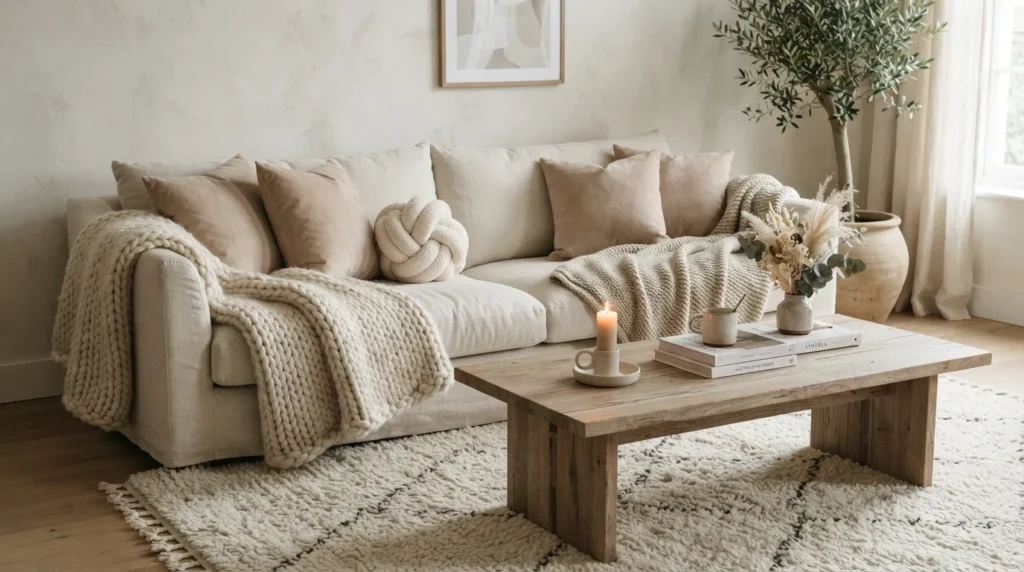
An all-neutral room can easily fall flat if everything is the exact same shade and fabric smooth-ness. However, when you master the art of monochromatic layering—using a single, tightly edited color palette like warm cream, oatmeal, or soft grey—the result is pure luxury. The secret lies entirely in shifting the focus from color to texture. By mixing varying weights of wool, linen, leather, and wood within the exact same color family, you create an incredibly sophisticated, visually quiet space that feels like a high-end boutique hotel room.
How To Style It
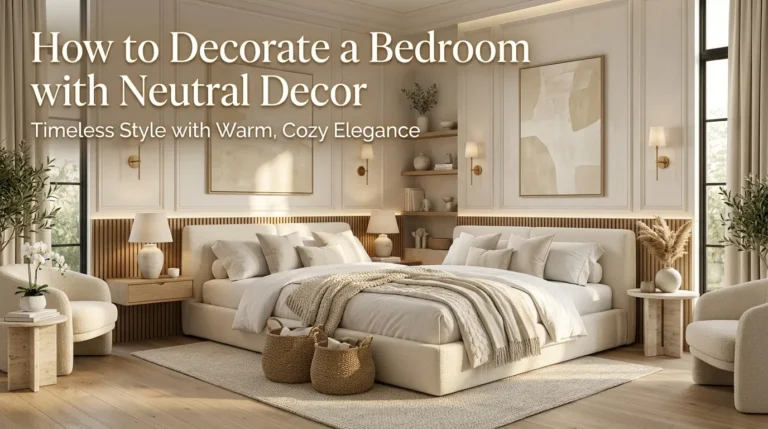
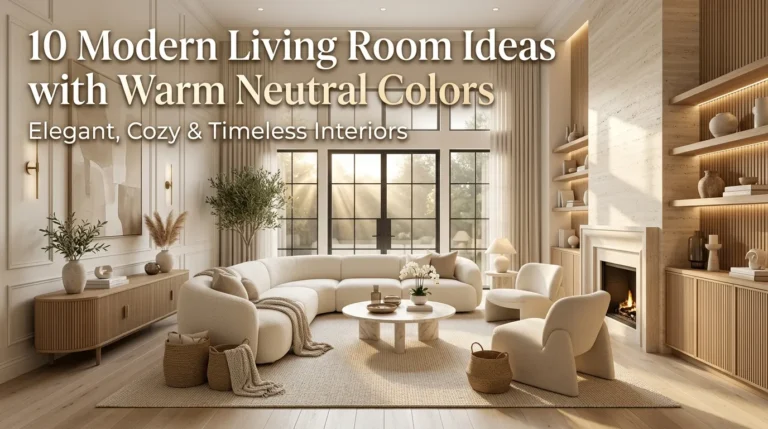
Start with a foundational piece, like a large cream linen sofa. Layer it with chunky knit wool throw blankets, brushed suede pillows, and a high-pile nubby Moroccan rug. Introduce furniture pieces crafted from light-bleached oak, honed travertine stone tables, and brushed brass hardware to add structure. The key is ensuring that no two surfaces share the exact same texture or sheen, which keeps the eye moving across the room and prevents the neutral palette from looking flat or boring.
7. Saturated Cozy Dens
Quick Benefits
- Creates a deeply intimate, comforting mood
- Hugs and camouflages odd architectural angles
- Makes large, drafty rooms feel incredibly cozy
- Looks exceptionally rich under evening lamplight
- Delivers a high-impact design statement
Why It Works
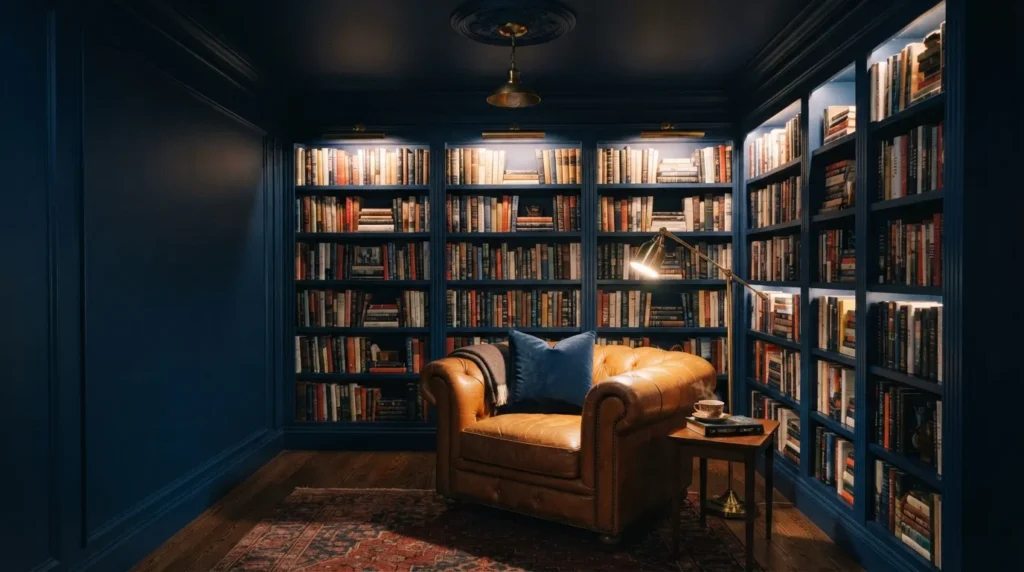
While bright, airy spaces are wonderful for high-traffic areas like kitchens, there is something deeply magical about a small, dedicated room that completely embraces the dark side. Color drenching—painting the walls, baseboards, moldings, and sometimes even the ceiling in a single, deeply saturated hue—creates an intimate, jewel-box effect. In my experience, rich tones like midnight navy, deep burgundy, or smoky charcoal wrap around you like a warm hug, making them the ultimate choices for spaces meant for evening unwinding.
How To Style It
Choose a smaller, enclosed room in your house, like a library, home office, or a dedicated TV room. Paint the walls and all wood trim in a rich, matte or eggshell finish to minimize distracting light reflections. Bring in luxurious, light-absorbent fabrics like a plush velvet sectional or deep leather armchairs. Keep the lighting low and atmospheric, using exclusively warm-toned brass floor lamps and dimmable wall sconces to illuminate the saturated corners with a rich, cinematic glow.
8. Artisanal Tile Backsplashes
Quick Benefits
- Bounces ambient light with a liquid-like sheen
- Introduces beautiful, hand-crafted imperfections
- Elevates utilitarian kitchen and bath zones
- Cleans up effortlessly from cooking splashes
- Outlasts passing mass-manufactured trends
Why It Works
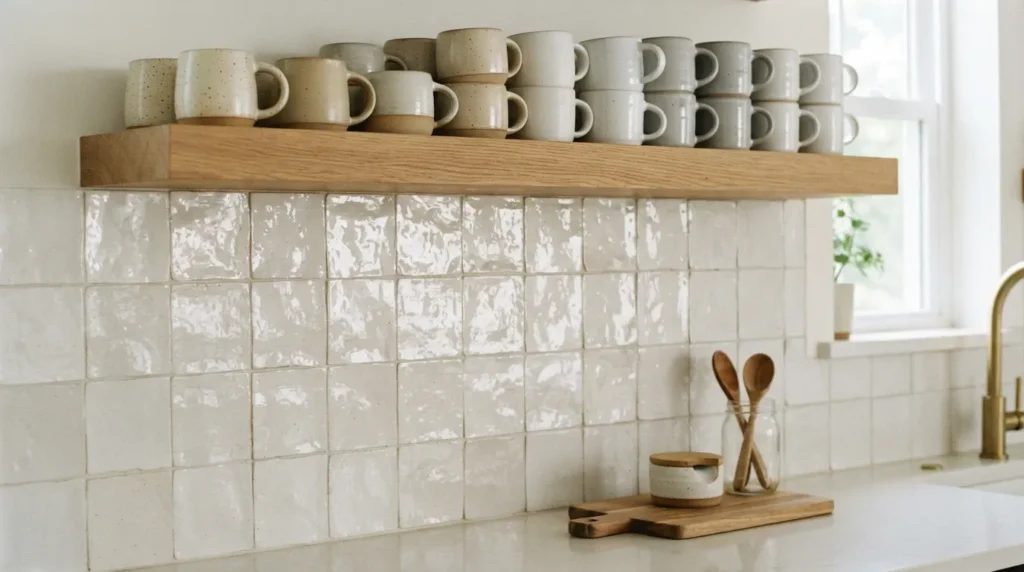
Kitchens and bathrooms are packed with mass-produced, perfectly straight appliances and fixtures. To prevent these spaces from feeling sterile, introducing an artisanal, hand-made tile backsplash is an absolute game-changer. Tiles like Moroccan zellige feature natural irregularities in their shapes, edges, and glaze depths. When installed side-by-side, these tiny imperfections cause the tiles to catch light unevenly, creating a gorgeous, shimmering surface that looks almost like undulating water. It brings instant soul and character to flat walls.
How To Style It
Run your artisanal tile all the way from the countertop up to the ceiling behind an open shelf or a floating range hood to maximize its visual impact. Use a tight, minimal grout joint to let the beautiful, uneven edges of the tiles take center stage. Pair a glossy square zellige backsplash with matte painted cabinets and heavy wood cutting boards. The contrast between the hyper-reflective, liquid look of the tile and the flat matte cabinetry creates an incredibly rich, designer-level balance.
9. Bespoke Built In Hutch
Quick Benefits
- Maximizes storage by utilizing vertical wall space
- Looks like a permanent, historic architectural feature
- Conceals messy clutter behind closed lower doors
- Creates a beautiful staging ground for seasonal decor
- Adds substantial long-term resale value to the home
Why It Works
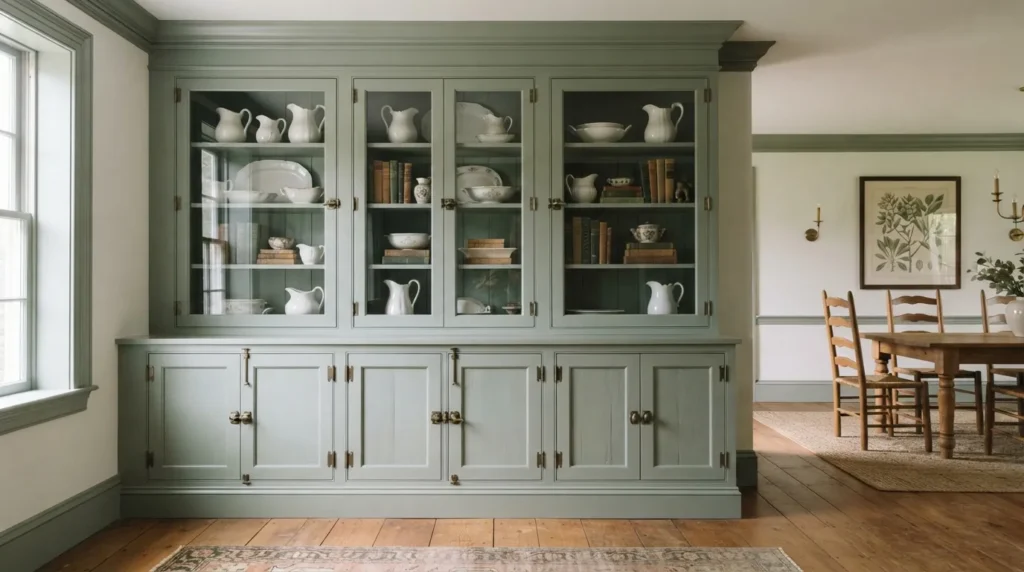
Freestanding furniture can sometimes look disjointed or cluttered in a room, leaving awkward gaps at the sides and top that collect dust. A bespoke built-in hutch or bookcase bridges the gap between functional storage and permanent architecture. By running the cabinetry flawlessly from floor to ceiling and trimming it with matching crown molding, it looks as though it was built with the house itself. It delivers that coveted, custom library or historic estate feel while secretly housing an immense amount of everyday storage.
How To Style It
Design your built-in with solid, enclosed shaker doors on the bottom third to hide less attractive items like board games or electronic cords. Leave the upper two-thirds open or framed in glass to display your curated book collections, ceramic vases, and framed art. Paint the entire built-in unit the exact same color as the surrounding walls to make it blend seamlessly into the room’s footprint, or pick a contrasting heritage tone like a dusty sage or muted pewter to create a beautiful, commanding feature wall.
10. Sun Drenched Reading Nooks
Quick Benefits
- Utilizes otherwise wasted, awkward floor spaces
- Establishes a dedicated zone for daily mindfulness
- Maximizes the functional layout of a bedroom or living room
- Capitalizes on beautiful perimeter window light
- Creates an instantly inviting, cozy visual vignette
Why It Works
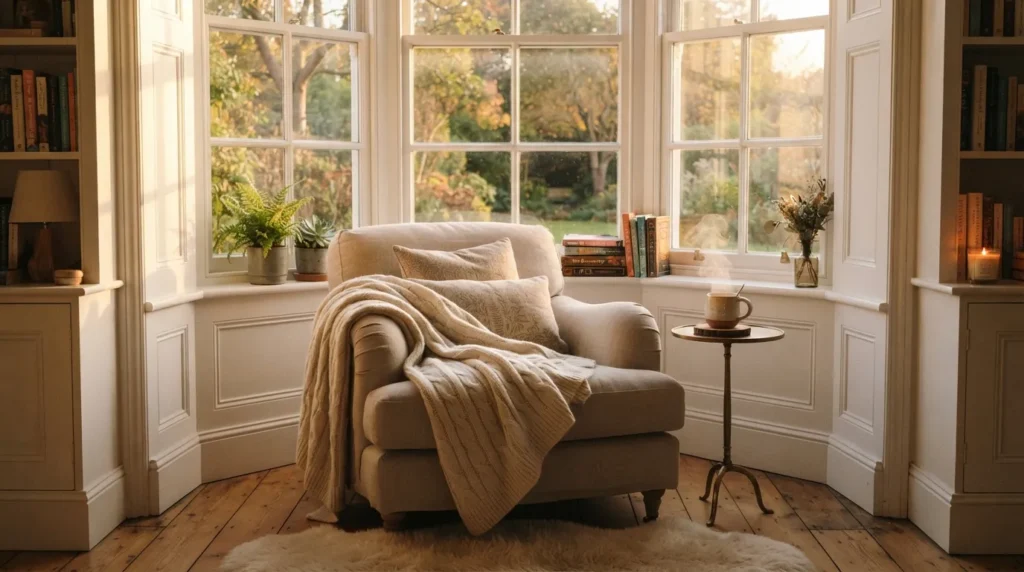
You don’t need an entire extra room to create a specialized sanctuary within your home. Transforming a forgotten corner, an awkward landing, or a sunny bay window into a dedicated reading nook maximizes your home’s square footage while providing a beautiful destination for relaxation. It breaks up a large room layout into intimate, functional zones. It appeals instantly to the lifestyle reader who prioritizes creating small, intentional spaces dedicated entirely to slow mornings, a warm cup of coffee, and a great book.
How To Style It
Position an exceptionally comfortable, deep-seated armchair or a custom upholstered bench cushion right against a window. Add a slim, low-profile accent table just large enough to hold a mug and a candle. Layer the seat with an ultra-soft cashmere throw and a small lumbar pillow for proper back support. Install a swing-arm brass sconce directly overhead so you can continue reading comfortably long after the sun goes down, and separate the zone visually with a small, circular sheepskin rug.
FAQ Section
How can I make my home look cohesive if I love multiple different design styles?
The secret to blending design styles smoothly is maintaining a consistent color palette throughout the entire home. You can easily pair a modern, clean-lined sofa with a rustic reclaimed wood coffee table as long as they are tied together by a shared accent color, matching hardware undertones, or a consistent flooring material running through the rooms.
Will dark color drenching make my small living room feel like a tiny cave?
Not if you use the correct lighting! While dark colors do absorb light, they also blur the sharp corners of a room, which can actually make the boundaries of a small space recede and feel deeper. To prevent a cave-like feel, simply ensure you have multiple layers of warm ambient lighting, highly reflective metal accents, and bright, light-colored flooring.
What is the most cost-effective way to add architectural character to a plain room?
Applying a textured wall finish like Roman clay or installing simple DIY picture frame wall molding are two of the fastest, most affordable ways to add high-end architectural character to plain drywall. Both projects can be completed over a single weekend and instantly give a standard room a custom, historic feel.
Are living plants difficult to maintain in low-light interior spaces?
Not if you choose the right varieties. If your dream home aesthetic relies on greenery but your rooms lack heavy direct sunlight, opt for hardy, low-light tolerant plants like the ZZ Plant, Snake Plant, or a lush Cast Iron Plant. These varieties thrive in indirect light and require very minimal watering to stay looking vibrant.
How do I choose the right size rug to ensure my living room layout looks balanced?
A mistake many homeowners make is buying a rug that is far too small, which makes the furniture look like it’s floating awkwardly. Ideally, your living room rug should be large enough so that at least the front legs of all major seating pieces—sofa, armchairs, and side tables—sit comfortably on top of it to anchor the zone.
Conclusion
Creating your dream interior design isn’t about chasing every passing trend or executing a massive architectural overhaul. It is about identifying the specific design elements that bring a sense of comfort, beauty, and elevated functionality into your daily life. Whether you decide to wrap a room in the chalky texture of plaster walls, introduce the vibrant life of biophilic greenery, or carve out a sun-drenched reading nook, these intentional updates will completely rewrite how your home feels. Start with one single space, focus on the details that matter most to you, and gradually build a home that supports your lifestyle and inspires you every single day.
Related Articles
- Creative Ways to Style a Small Living Room
- The Ultimate Guide to Layering Textures in a Neutral Bedroom
- How to Choose the Perfect Paint Finish for Every Room
- Statement Lighting Ideas That Transform Your Space
- Designing a Functional and Beautiful Home Office