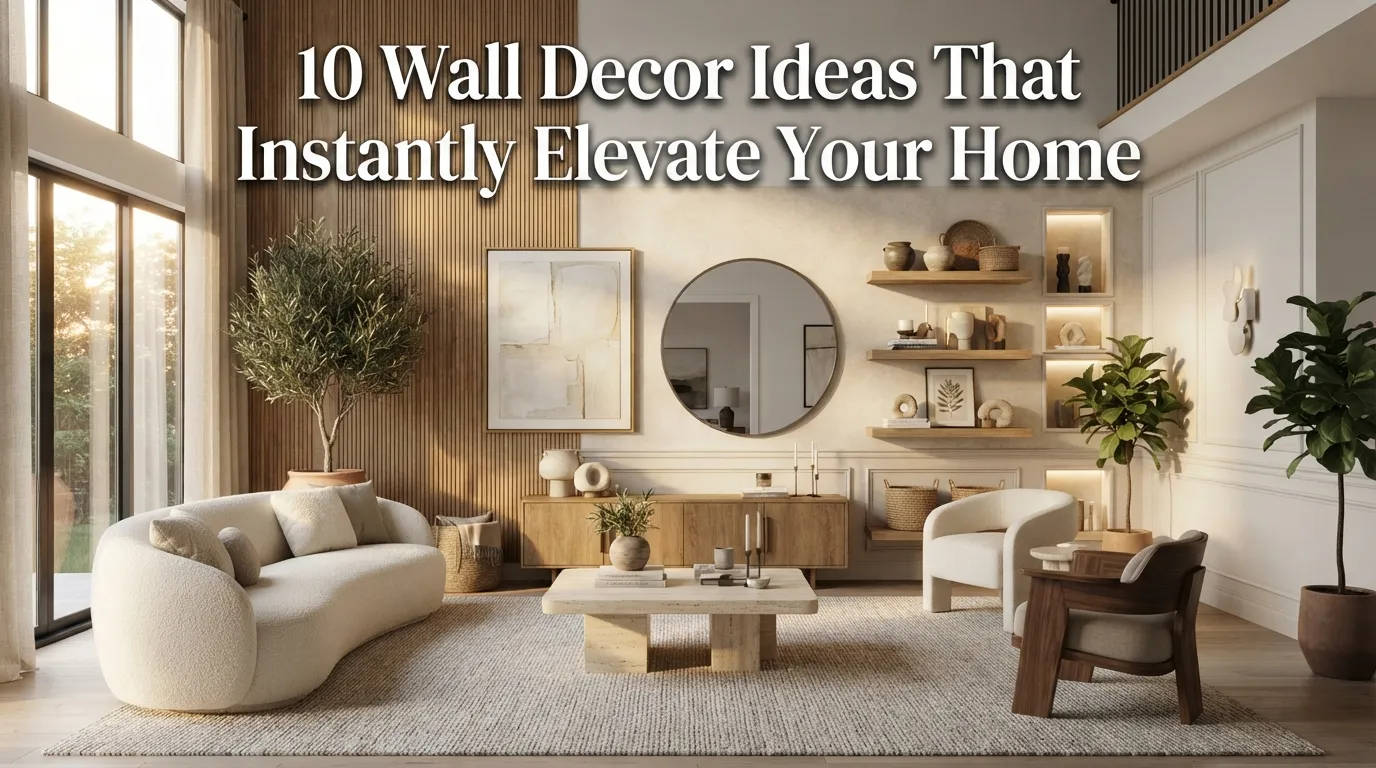
10 Wall Decor Ideas That Instantly Elevate Your Home
Blank walls possess an immense amount of untapped potential, yet they are often the last things we address when designing a room. A mistake many homeowners make is treating walls as mere boundaries to be painted and forgotten, rather than dynamic canvases that dictate the room’s depth, height, and overall energy. When a space feels hollow or lacks that elusive, high-end “designer” finish, the culprit is almost always unaddressed vertical real estate.
If you are anything like me, you’ve probably stared at an empty stretch of drywall in your living room or entryway, paralyzed by the fear of making the wrong design move. We’ve all seen layouts that feel overcrowded, or conversely, spaces where a single, tiny frame hangs awkwardly in a sea of bare sheetrock. The secret to elevating your walls doesn’t lie in purchasing priceless fine art; it is entirely about understanding visual scale, texture, and architectural intention.
Whether you are trying to make a cramped rental hallway feel double its actual size or looking to anchor a sprawling, open-concept living space with a commanding focal point, changing your wall strategy can completely rewrite the narrative of your home. The right treatments can pull a disjointed color palette together, bounce natural light into dark corners, and introduce an undeniable architectural soul. Let’s explore ten exceptionally beautiful, highly scannable wall decor concepts that masterfully balance high-end editorial inspiration with practical, everyday livability.
Table of Contents
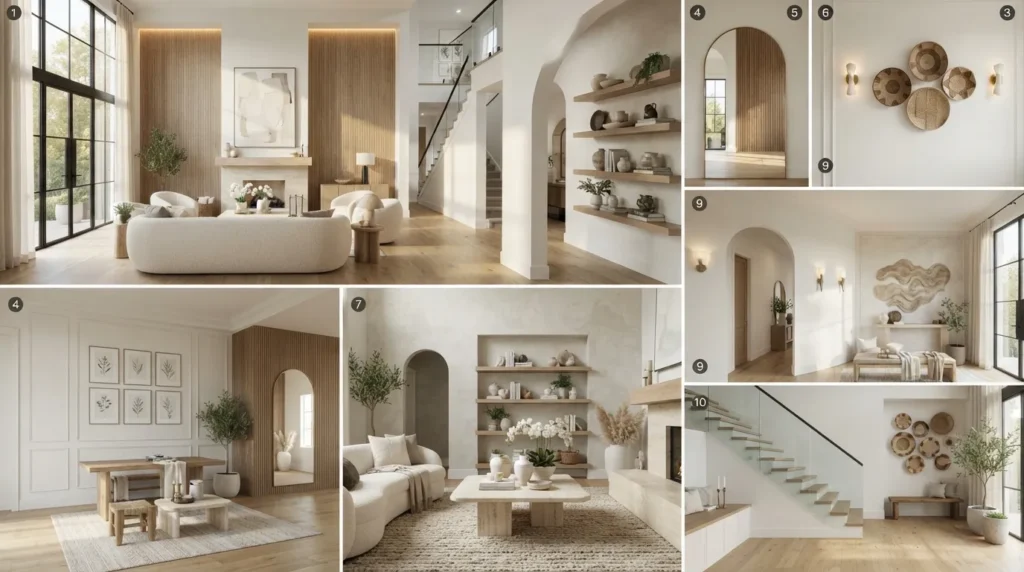
- Oversized Canvas Minimalism – Utilizing massive singular art pieces to create a clean, museum-worthy anchor point.
- Traditional Picture Molding – Adding upscale architectural character and historic European depth to flat drywall.
- Stacked Grid Framing – Organizing personal photography into symmetrical, high-contrast structural layouts.
- Antique Textile Tapestries – Introducing acoustic sound dampening and rich, woven history to hard spaces.
- Architectural Arched Mirrors – Bouncing natural daylight while breaking up rigid, boxy room lines.
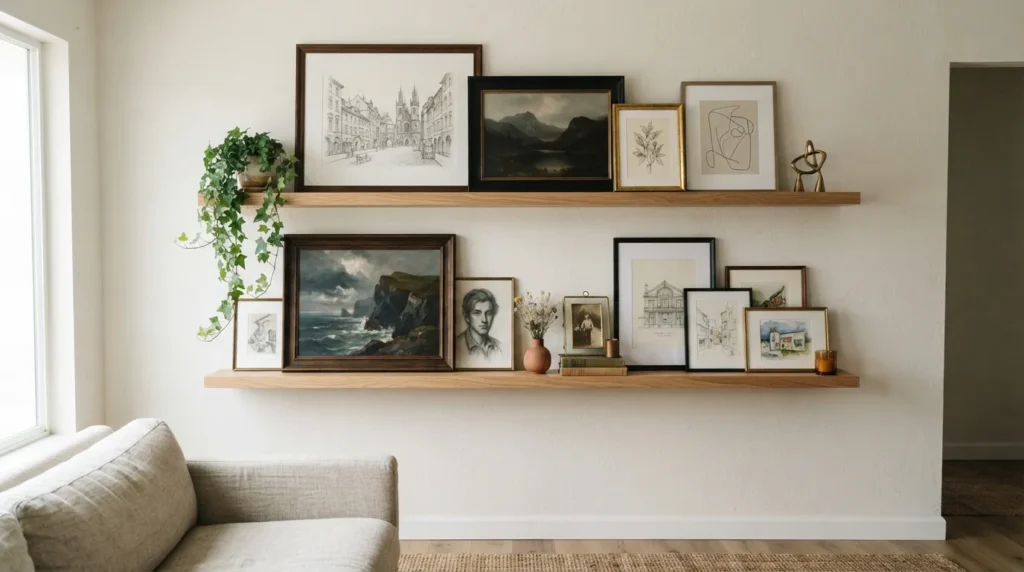
- Curated Floating Ledges – Allowing for an ever-evolving, flexible display of layered frames and objects.
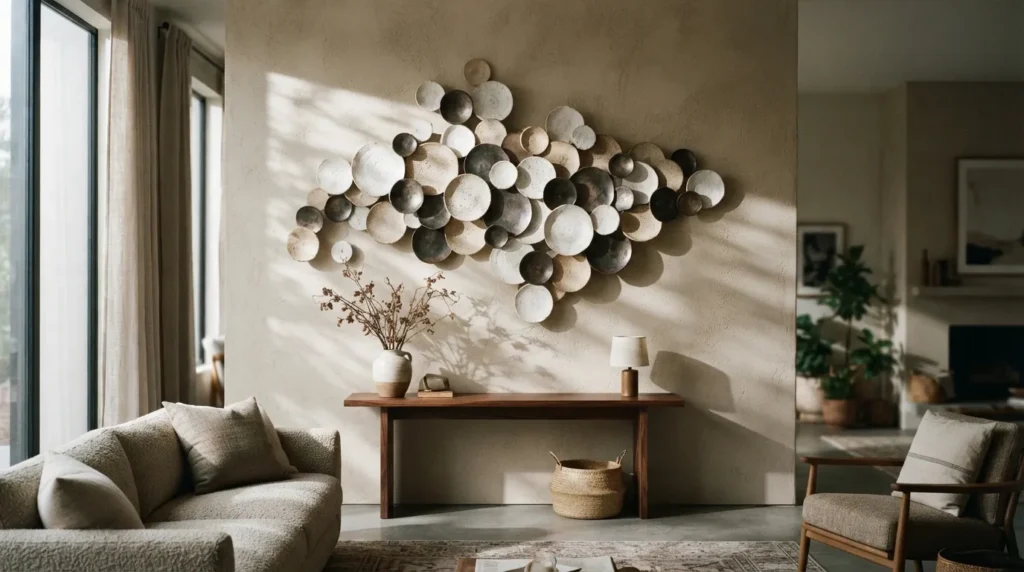
- Three Dimensional Sculptures – Breaking away from flat paper art with tactile ceramic, wood, or metal forms.
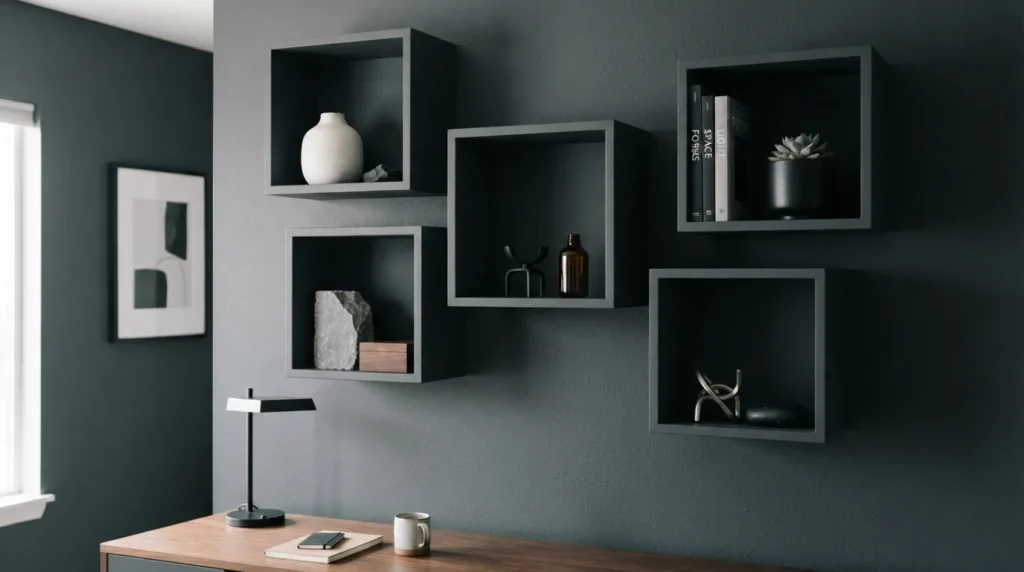
- Monochromatic Box Shelving – Creating integrated architectural shadows that blend seamlessly into painted walls.
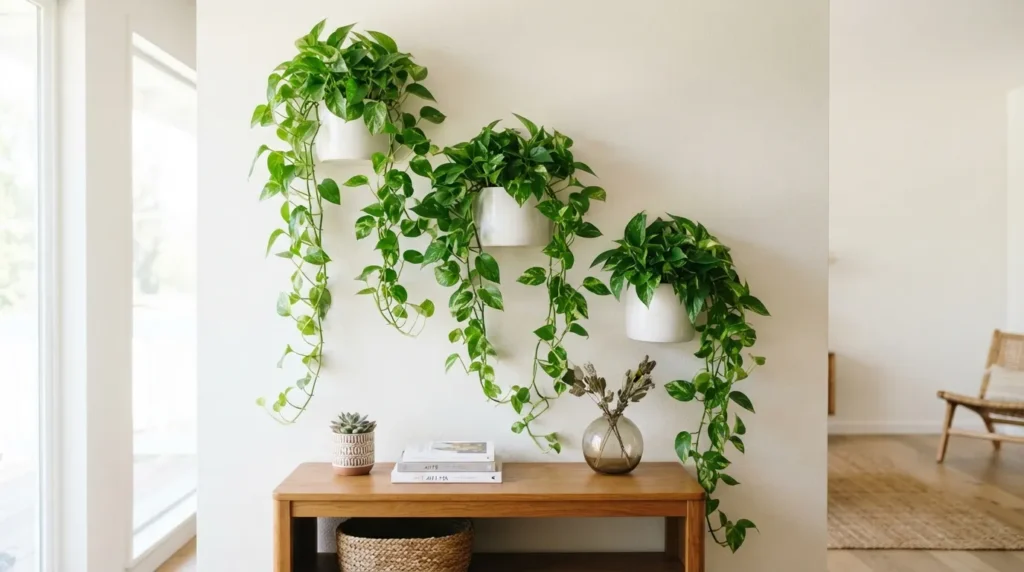
- Living Plant Sconces – Infusing vertical spaces with organic movement, life, and natural trailing textures.
- Symmetric Sconce Flanking – Framing existing focal points with high-end, upscale accent lighting structures.
1. Oversized Canvas Minimalism
Quick Benefits
- Commands instant attention as a single focal point
- Eliminates the visual clutter of multiple small frames
- Makes low ceilings feel significantly taller
- Delivers a high-end, clean museum-like aesthetic
- Simple to install compared to complex gallery layouts
Why It Works
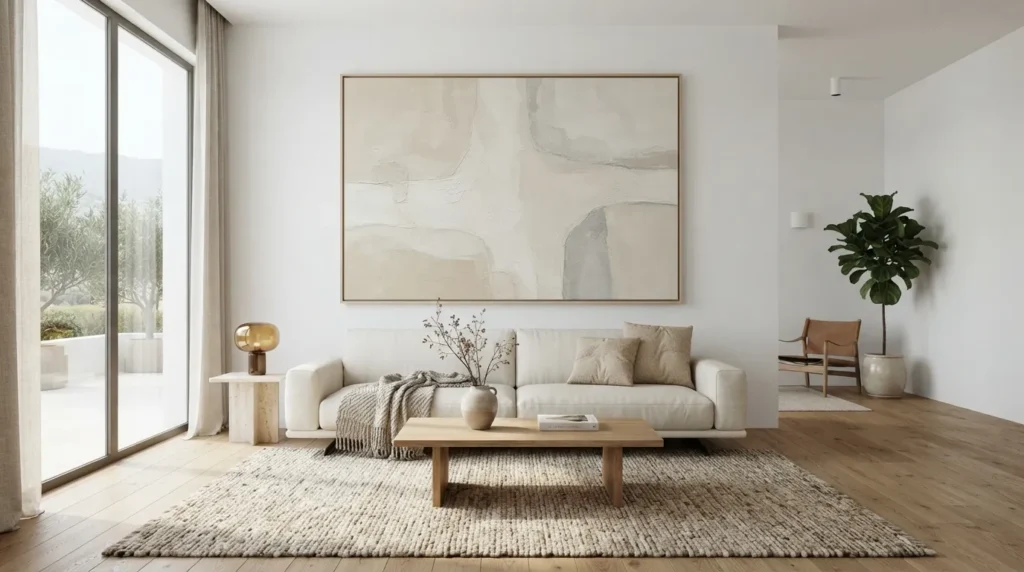
When it comes to wall art, scale is everything. In my experience, hanging one massive, commanding canvas is infinitely more impactful than scattering a dozen small frames across a room. A singular, oversized piece of minimalist art—featuring gentle abstract brushstrokes, quiet color fields, or textured plaster work—creates a strong visual anchor. It gives the eye a dedicated place to rest, which immediately calms the room’s energy and projects an air of intentional, upscale luxury.
How To Style It
Select a canvas that spans at least two-thirds the width of the furniture piece below it, such as your living room sofa or a dining room sideboard. Choose a thin, floating canvas frame in a wood tone that matches your flooring to create an integrated design thread. Keep the art’s color palette tightly aligned with the room’s primary neutrals, allowing just one subtle accent color to peek through. Leave ample breathing room on either side of the canvas to let the piece truly breathe.
2. Traditional Picture Molding
Quick Benefits
- Infuses builder-grade homes with historic character
- Introduces elegant shadow lines and structural depth
- Low-cost DIY project with incredibly high visual return
- Coordinates perfectly with any interior design style
- Looks exceptionally rich when color-drenched in matte paint
Why It Works
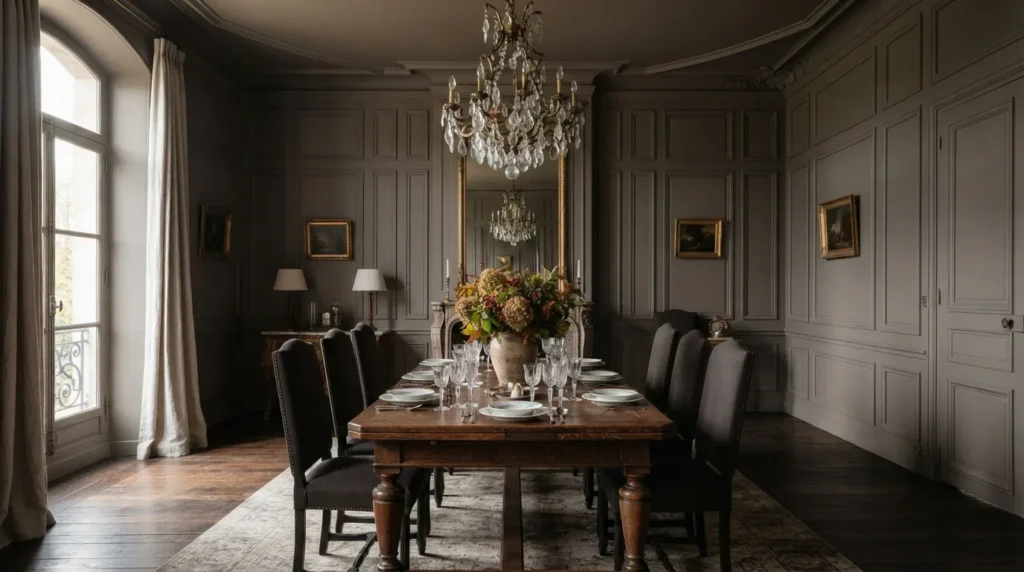
Standard flat drywall can often leave a modern room feeling cold, hollow, and mass-produced. One thing that works especially well to fix this structural emptiness is traditional applied picture frame molding. By installing thin wood trim profiles directly onto the wall in symmetrical geometric boxes, you mimic the stately architecture of historic European estates. This simple addition introduces beautiful, subtle lines of shadow that track across the room as daylight shifts, instantly giving bare walls a custom, bespoke feel.
How To Style It
Map out your molding boxes using painter’s tape before cutting any wood to ensure perfect mathematical symmetry across the wall layout. For a modern, seamless look, paint the applied wood trim the exact same color and finish as the wall itself. This technique, known as color drenching, allows the architectural texture to shine without looking overly busy or traditional. It serves as a breathtakingly elegant backdrop for both contemporary minimalist furniture and antique accents.
3. Stacked Grid Framing
Quick Benefits
- Imposes a sense of clean, architectural order
- Elevates personal family photos into museum-grade art
- Fills massive, awkward wall expanses flawlessly
- High-contrast framing pops sharply against light walls
- Creates a timeless display that never goes out of style
Why It Works
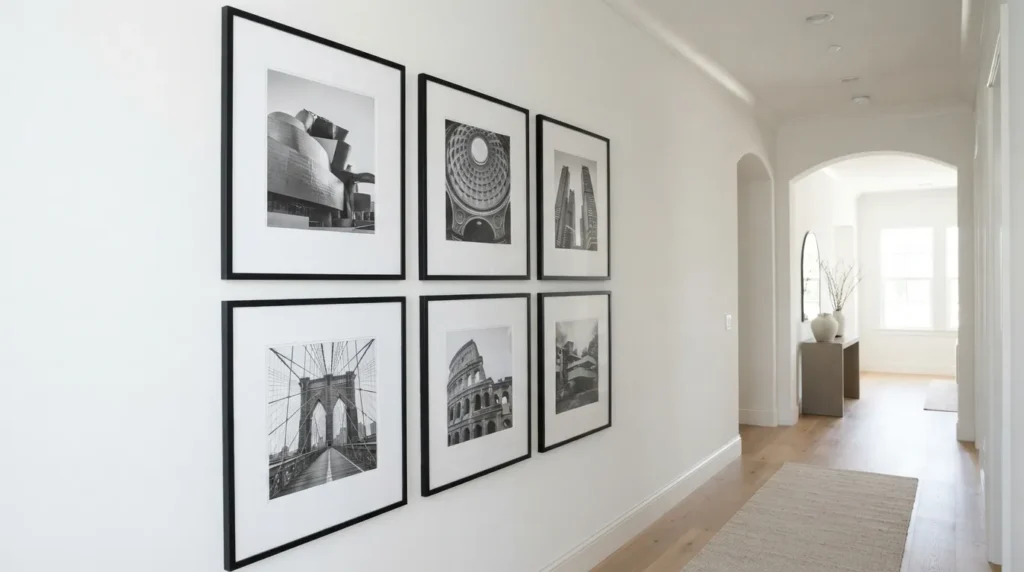
We all want to display cherished family photos or travel memories, but a mismatched, chaotic cluster of random frames can quickly look messy and visually fragment a room. That’s why many designers recommend a stacked grid framing layout. By placing identical photos—ideally edited into crisp black and white—into matching frames with oversized white mats, you establish a clean, graphic grid. The rigid symmetry imposes structural order on the wall, transforming personal snapshots into a sophisticated graphic art installation.
How To Style It
Utilize an even number of frames, such as a six-frame grid (two rows of three) or a nine-frame grid (three rows of three). Choose slim, high-contrast frames in matte black or brushed brass. Space the frames precisely two to three inches apart using a spacer block during installation to ensure flawless lines. This layout looks jaw-droppingly beautiful in a long entry hallway, up a staircase wall, or centered directly over a minimalist living room credenza.
4. Antique Textile Tapestries
Quick Benefits
- Absorbs echoing sounds in rooms with hard floors
- Introduces soft, fluid lines to rigid spaces
- Showcases rich historical textures and hand-craftsmanship
- Easily rolled up and moved to new spaces
- Adds incredible warmth without needing a glass frame
Why It Works
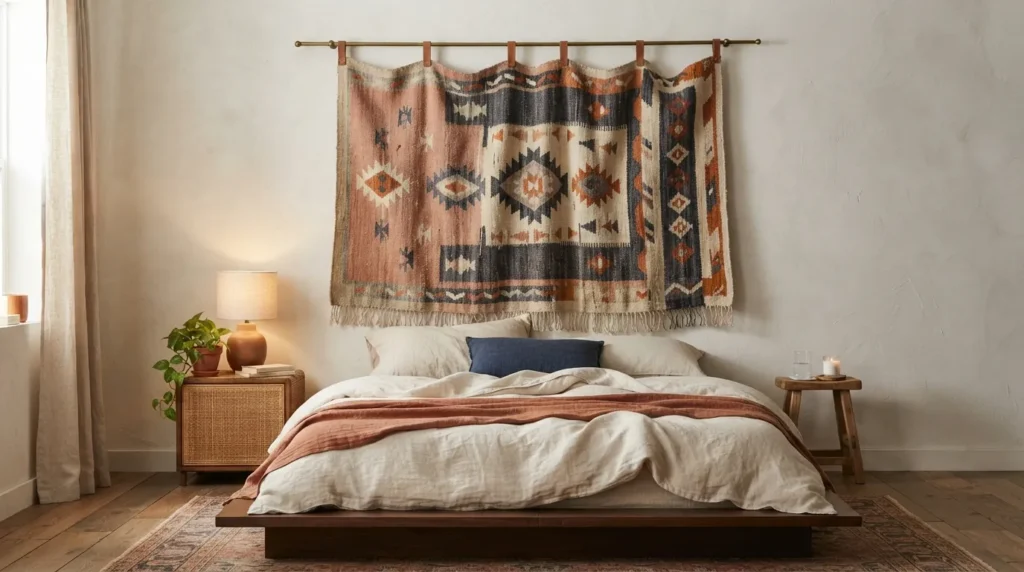
Kitchens, dining rooms, and hallways are naturally packed with hard, reflective materials like wood, tile, and stone. To prevent these areas from sounding echoing and feeling sterile, bringing in woven textiles is an absolute game-changer. Hanging an antique textile tapestry, a vintage hand-woven rug, or a piece of historic linen mudcloth breaks up the monotony of flat walls. It injects a rich, tactile warmth and historical storytelling weight that standard paper prints under glass simply cannot achieve.
How To Style It
Mount the textile using a slim, architectural brass or dark iron tapestry rod that lets the fabric hang slightly away from the wall, allowing it to drape naturally. This look thrives when the textile features muted, organic vegetable dyes like soft terracotta, indigo, or muddy olive. Position a large woven tapestry on a prominent bedroom wall behind the headboard or along a dining room wall to act as a soft, comforting backdrop that improves the room’s acoustics.
4. Architectural Arched Mirrors
Quick Benefits
- Bounces massive amounts of natural light around
- Creates the visual illusion of a hidden window
- Softens harsh, square room corners with curves
- Makes compact rooms feel double their actual size
- Serves a highly practical, functional daily purpose
Why It Works
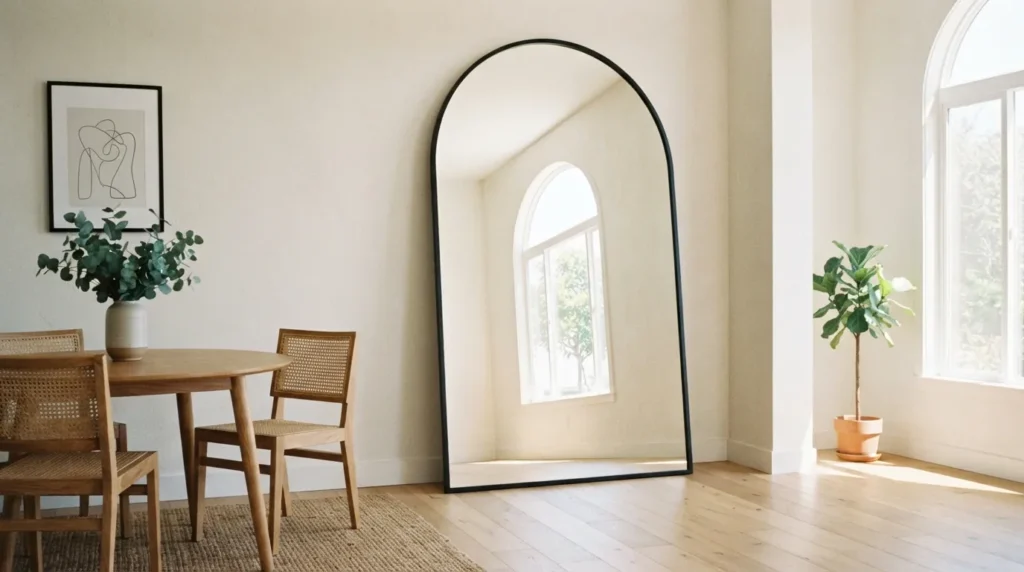
Mirrors are the ultimate secret weapon in an interior designer’s toolkit. Beyond their obvious functional use, mirrors behave exactly like interior windows, tricking the brain into believing a space extends much further than the physical wall. An oversized mirror featuring a soft, curved architectural arch breaks up the rigid straight lines common in modern home construction. It captures incoming daylight from opposite windows and tosses it back into the room, making dark spaces feel instantly bright, airy, and expansive.
How To Style It
Lean a massive, floor-length arched mirror against a prominent dining room or living room wall, securing it safely to the stud behind. Alternatively, mount a large arched mirror directly above an entry console table. Select a frame with a very slim metal profile—such as antiqued brass or iron—to keep the focus entirely on the light reflection. Style the base with a low ceramic bowl or a small stack of books to anchor the mirror within the room’s footprint.
6. Curated Floating Ledges
Quick Benefits
- Allows you to change your art instantly without damage
- Enables a beautiful, layered depth of overlapping frames
- Holds small decorative objects alongside art prints
- Perfect for homeowners who love frequent seasonal updates
- Creates an expansive horizontal line across the wall
Why It Works
If you love to constantly refresh your decor or find yourself struck by decision paralysis when hammering nails into drywall, floating picture ledges are your perfect solution. Rather than mounting individual frames permanently, a slim, linear floating shelf allows you to prop up, layer, and overlap art pieces of varying sizes. It creates a dynamic, ever-evolving gallery space. The overlapping frames create a beautiful, casual depth that feels effortless, collected, and highly artistic.
How To Style It
Install two or three long floating ledges vertically stacked, or run a single continuous ledge across an entire wall expanse. When styling, mix large statement frames with smaller sketches, ensuring the frames subtly overlap each other to create dimension. Interline the artwork with small, three-dimensional objects like a miniature brass object, a small potted trailing plant, or an antique ceramic vessel to break up the flat planes of the paper prints.
7. Three Dimensional Sculptures
Quick Benefits
- Breaks away from traditional flat, two-dimensional art
- Casts dramatic, changing shadow lines throughout the day
- Introduces rich tactile materials like stone, clay, or metal
- Creates a completely custom, artistic gallery aesthetic
- Adds unexpected intrigue and texture to blank walls
Why It Works
A common mistake many homeowners make when decorating walls is relying exclusively on flat, square frames. Overloading a house with too many rectangles can cause the design to look flat and monotonous. Introducing a three-dimensional wall sculpture instantly shatters that monotony. Whether it is a collection of handmade ceramic disks, a carved raw wood element, or an abstract hand-bent metal installation, sculptural art projects physically into the room, creating an artistic dialogue filled with texture, depth, and moving shadows.
How To Style It
Mount a sculptural installation on a wall that receives heavy side-lighting from a nearby window, which maximizes the dramatic shadow lines cast across the drywall. Keep the sculpture’s color story relatively quiet—such as raw terracotta, chalky white plaster, or unpolished bronze—to let the unique physical form and texture do the talking. Pair it with clean, simple surrounding furniture to ensure the sculpture remains the undisputed star of the wall zone.
8. Monochromatic Box Shelving
Quick Benefits
- Combines architectural wall art with functional storage
- Blends seamlessly into the room’s painted footprint
- Creates deep, dramatic recessed pockets of shadow
- Perfect for displaying tiny, curated design heirlooms
- Keeps table surfaces clear of everyday clutter
Why It Works
If you love a clean, ultra-modern minimalist look but still require a place to showcase your favorite small design objects, monochromatic box shelving is a stellar option. Instead of standard floating shelves that project outward like flat boards, these are enclosed wooden boxes mounted to the wall and painted the exact same color and finish as your drywall. The shelves essentially disappear into the architecture, leaving behind deep, structural recessed pockets of shadow that frame your displayed items like miniature pieces of curated art.
How To Style It
Arrange a cluster of three to five square and rectangular box shelves in an asymmetrical, staggered layout across a blank office or living room wall. Paint them flawlessly to match the wall paint behind them. Inside the boxes, display only one or two highly curated items per shelf—such as a single brutalist stone sculpture, a matte white ceramic vase, or a unique antique book. This strict restraint preserves the clean, high-end architectural feel of the installation.
9. Living Plant Sconces
Quick Benefits
- Introduces vibrant, living energy to cold walls
- Softens hard geometric furniture lines organically
- Naturally purifies and freshens your indoor air
- Incredibly cost-effective way to fill wall space
- Creates beautiful cascading trails of green texture
Why It Works
We naturally love bringing plants into our homes, but they are often relegated to floor corners or table surfaces where they can clutter up valuable functional space. Shifting your greenery up onto the vertical plane using dedicated plant sconces completely redefines the wall’s energy. Living plants introduce motion, biological life, and soft, unpredictable organic silhouettes that contrast beautifully against the rigid, straight lines of standard housing. It breathes literal life into a stagnant room layout.
How To Style It
Mount a series of clean ceramic or terracotta wall pockets at staggered heights along a wall that receives bright, indirect sunlight. Populate the sconces with hardy, low-maintenance trailing varieties like Heartleaf Philodendron, Golden Pothos, or English Ivy. As the plants grow, guide their cascading vines to trail gently down the wall surface, framing your furniture layout below with a soft, living curtain of natural emerald green texture.
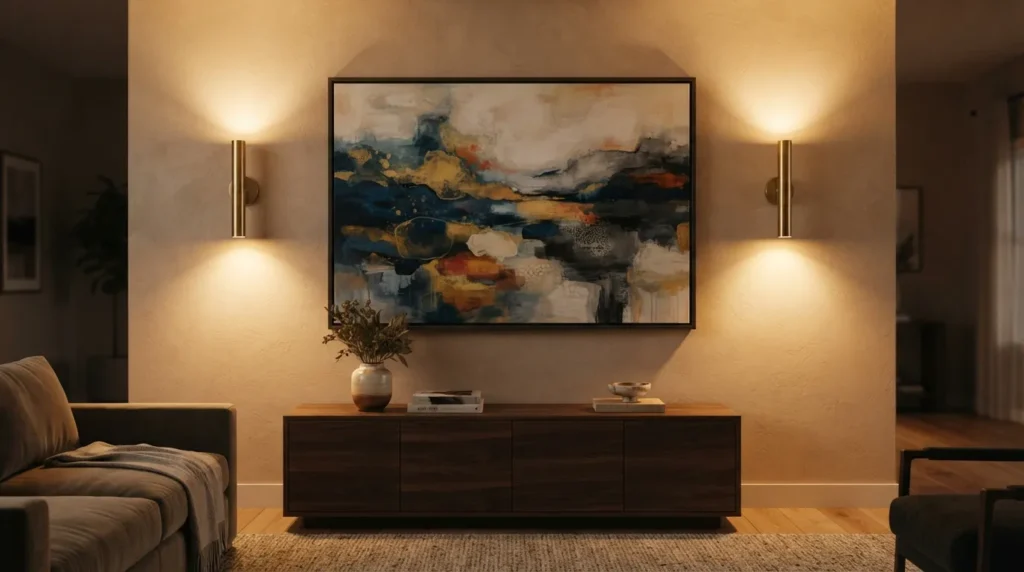
10. Symmetric Sconce Flanking
Quick Benefits
- Frames and elevates existing large artwork beautifully
- Adds a high-end, layered lighting zone to the room
- Eliminates the need for bulky floor lamps in tight spaces
- Draws the eye upward to highlight ceiling heights
- Replicates the luxurious feel of custom designer homes
Why It Works
Lighting should never be an afterthought, and how you illuminate your walls dictates how expensive the entire room feels. Symmetric sconce flanking involves mounting a matching pair of elegant hardwired or battery-operated wall sconces on either side of a large existing feature—like a massive piece of art, a fireplace surround, or a bedroom headboard. The strict symmetry anchors the wall layout with a clean sense of balance, while the secondary light source washes the wall in a warm, inviting glow that makes the home feel incredibly customized and luxurious.
How To Style It
Select sconces that project light both upward and downward to maximize the vertical wash across your drywall surface. Choose a metal finish—like satin brass or matte black—that matches the hardware found throughout the rest of the room’s lighting fixtures. Position the sconces precisely at eye level (roughly 60 to 64 inches from the floor) and center them flawlessly flanking your artwork to create a perfectly balanced, editorial-worthy design vignette.
FAQ Section
How high should I hang my wall art to ensure it looks balanced in the room?
A universal rule of thumb used by galleries and interior designers is to hang art so that the vertical center of the piece sits exactly 57 to 60 inches from the floor, which represents the average human eye level. If you are hanging art directly above a piece of furniture like a sofa, ensure the bottom frame sits roughly 6 to 8 inches above the top of the furniture to maintain a cohesive visual connection.
Can I install picture frame wall molding in a rental apartment without losing my deposit?
Yes, you absolutely can! Instead of using traditional heavy wood trim that requires nails and liquid construction adhesive, you can source lightweight polystyrene or high-density foam molding strips. Mount them to your rental walls using heavy-duty, double-sided removable mounting tape or tiny finish brad nails that leave behind minuscule holes that can be filled effortlessly with a tiny bit of spackle when you move out.
How do I choose between black-and-white or full-color photography for a grid wall?
Black-and-white photography is highly recommended for grid layouts because it automatically unifies photos taken at different times, in different lighting environments, and with different color schemes. It instantly creates a clean, cohesive, and sophisticated museum-grade look. Full-color photography works best when you are displaying a intentional, professional photo series shot within the exact same color palette.
What is the best way to hide ugly cords if I want to install wall sconces but don’t have hardwiring?
If you don’t want to hire an electrician to run wires behind your drywall, you can purchase plug-in wall sconces and conceal the hanging power cords using paintable decorative cord covers. Simply mount the slim plastic covers over the wire and paint them the exact same color as your wall. Alternatively, you can use wireless, battery-operated magnetic LED puck lights tucked inside standard hardwire sconce fixtures.
Will hanging a heavy textile rug or tapestry damage my drywall over time?
Not if you distribute the weight evenly across the wall studs. Avoid hanging a heavy textile from a single nail or adhesive hook, which concentrates the weight and can crack drywall. Instead, insert a solid wood or metal rod through the tapestry’s back casing and mount the rod securely using heavy-duty wall anchors or brackets screwed directly into your wooden wall studs for maximum stability.
Conclusion
Elevating your home’s interior design doesn’t require embarking on a messy, expensive architectural renovation. By turning your attention to your blank walls and introducing thoughtful, intentional design concepts, you can completely redefine the sensory experience of your entire living space. Whether you decide to wrap a room in the elegant lines of traditional picture molding, make a graphic statement with a stacked grid photo layout, or wash your walls in the soft glow of symmetric lighting sconces, these vertical updates will infuse your environment with soul and character. Start with one single blank wall that frustrates you, focus on the scale and texture that speaks most to your style, and gradually build a home that inspires you every single day.
Related Articles
- Creative Ways to Style a Small Living Room Layout
- The Ultimate Guide to Sourcing Quality Vintage Decor
- How to Choose the Perfect Paint Finish for Every Room
- Statement Lighting Ideas That Transform Your Space
- Designing a Beautiful and Functional Entryway Gallery