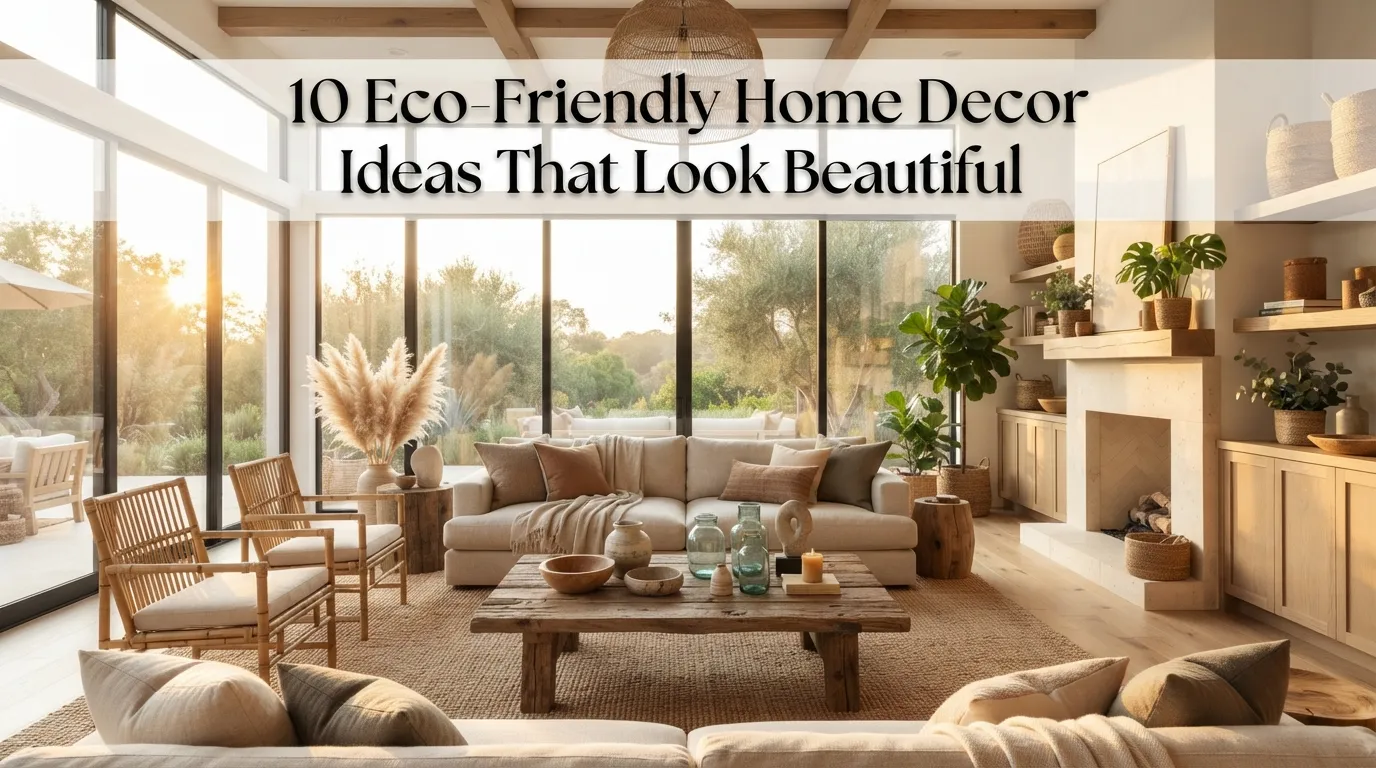
10 Eco-Friendly Home Decor Ideas That Look Beautiful
For a long time, there was a widespread misconception that choosing sustainable home decor meant sacrificing your personal style. It conjured up images of rough, scratchy textures, uninspiring muted palettes, and a look that felt more clinical than curated. Fortunately, the landscape of sustainable design has completely shifted. Today, the most breathtaking, high-end homes aren’t just beautiful—they are deeply mindful of where their materials originate and how they impact the world around us.
If you are anything like me, you want a home that feels like a personal sanctuary but also aligns with your values. A mistake many homeowners make is assuming that to “go green,” you have to throw everything away and start from scratch. In reality, eco-friendly interior design is rooted in the philosophy of intentionality, preservation, and celebrating the raw, unrefined beauty of natural elements. It’s about choosing pieces that tell a story, age gracefully, and improve the indoor air quality of your living spaces.
Whether you are looking to refresh a single blank wall or completely reimagine the aesthetic footprint of your entire home, integrating earth-conscious styling concepts can profoundly elevate your environment. The right choices bring an undeniable organic soul, architectural warmth, and a quiet luxury that mass-produced plastic items simply can’t replicate. Let’s explore ten exceptionally beautiful, highly practical eco-friendly home decor ideas that prove you never have to choose between a gorgeous home and a healthy planet.
Table of Contents
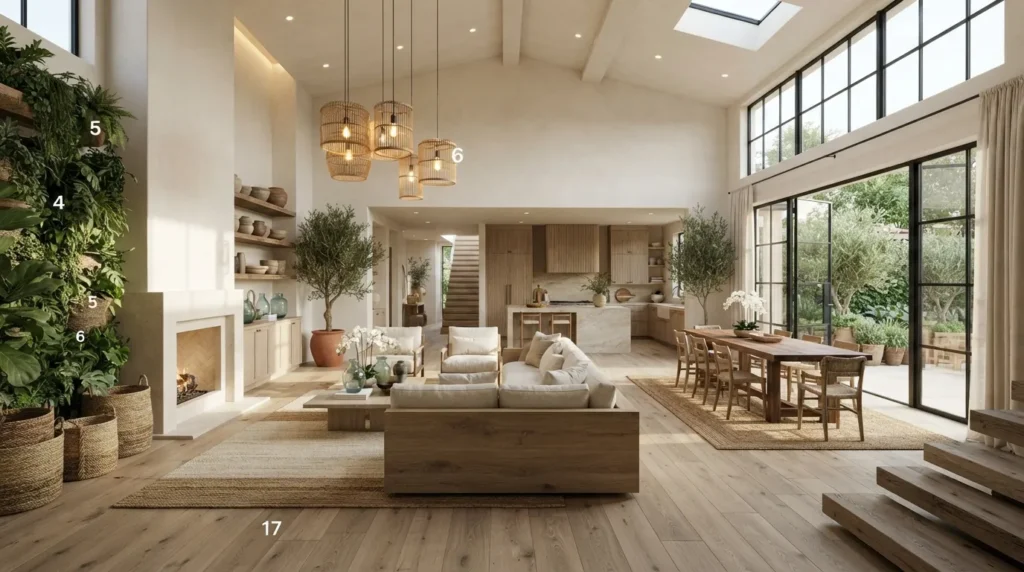
- Thrifted Vintage Vignettes – Embracing the unique charm and low environmental impact of secondhand treasures.
- Organic Linen Drapery – Elevating your windows with biodegradable, beautifully textured natural fibers.
- Renewable Bamboo Accents – Utilizing one of the planet’s fastest-growing materials for chic architectural structure.
- Natural Cork Flooring – A sustainable, sound-absorbing underfoot alternative that oozes modern warmth.
- Upcycled Textile Pillows – Giving historic heirloom fabrics a second life as beautiful soft furnishings.
- Low VOC Clay Paints – Breathable, non-toxic wall finishes that provide rich, velvety color drenching.
- Sustainably Sourced Rattan – Infusing spaces with airy, woven textures that grow quickly and naturally.
- Repurposed Brick Framing – Bringing historic industrial character indoors using salvaged masonry materials.
- Handwoven Wool Rugs – Investing in timeless, dye-free floor coverings that naturally repel household stains.
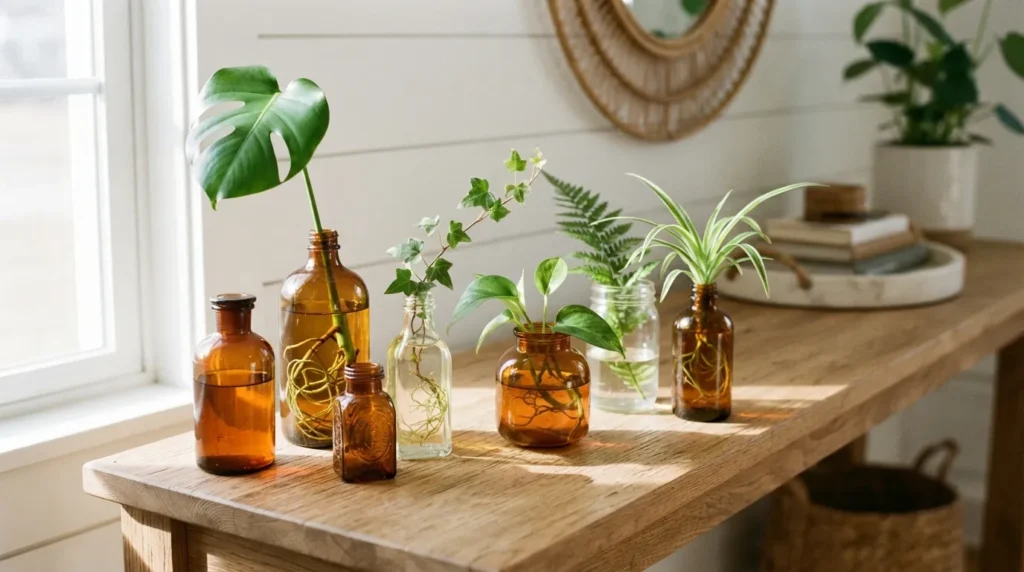
- Repurposed Glass Botanicals – Transforming discarded vintage vessels into striking, light-catching green displays.
1. Thrifted Vintage Vignettes
Quick Benefits
- Keeps quality furniture out of landfills
- Delivers a entirely unique, unrepeatable look
- Adds instant historic character and soul
- Drastically reduces new manufacturing demands
- Costs significantly less than high-end retail
Why It Works
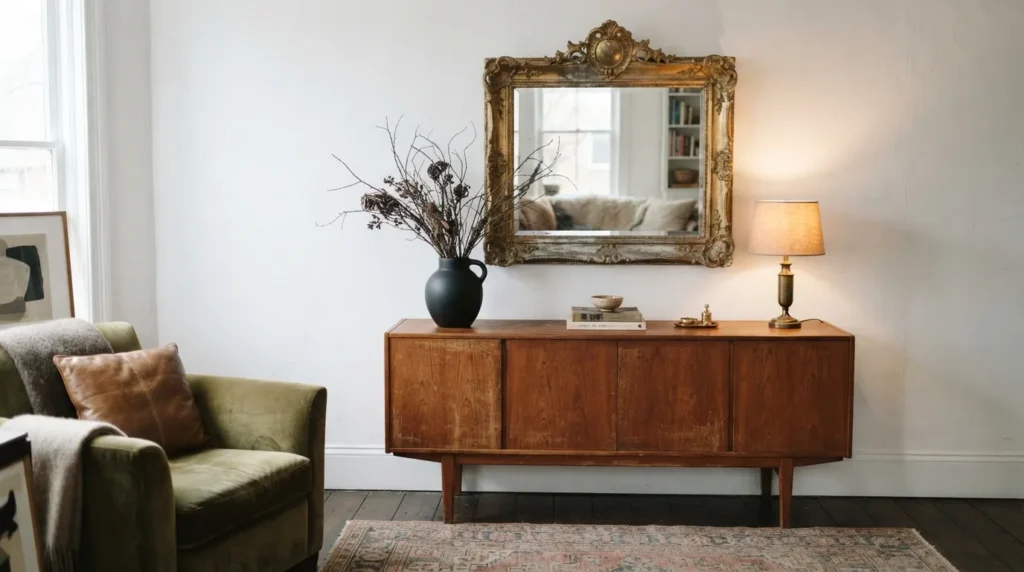
The absolute most sustainable piece of furniture or decor you can put in your home is one that already exists. In my experience, mixing vintage, secondhand, or antique pieces into a modern layout instantly breaks up the cookie-cutter feel of a room. This approach keeps durable, well-made materials from entering our waste streams while introducing a rich patina and historical weight. Vintage wood and stone pieces possess a structural integrity that modern, flat-packed furniture rarely replicates, creating a space that feels deeply intentional and layered.
How To Style It
To keep a space from looking chaotic or overly cluttered, apply the “one-third rule” when mixing eras. Let about one-third of a room’s decor consist of curated vintage items—like a mid-century modern teak sideboard or an ornate baroque mirror—while keeping the remaining pieces sleek and contemporary. Style the top of a thrifted dresser with a minimal ceramic vase and a stack of art books. This creates a gorgeous, sophisticated tension between old-world craftsmanship and crisp, modern design lines.
2. Organic Linen Drapery
Quick Benefits
- Fully biodegradable and earth-friendly
- Bounces and diffuses daylight exquisitely
- Naturally resists common dust and allergens
- Needs drastically less water to produce than cotton
- Offers a casual yet highly luxurious texture
Why It Works
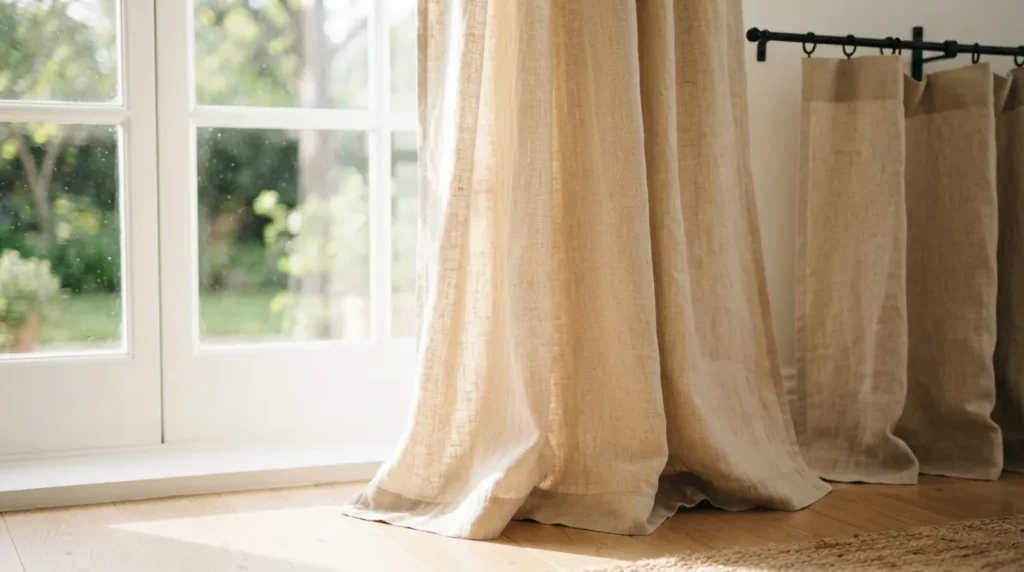
Window treatments occupy a massive amount of visual real estate in a room, meaning the fabric you choose dictates the entire mood of the space. Synthetic polyester curtains are essentially made of plastic, which traps indoor heat and eventually sits in landfills for centuries. Organic linen, woven from the resilient flax plant, is completely biodegradable, highly breathable, and remarkably durable. Its signature slub texture catches incoming sunlight, softening the boundary between your indoor living space and the outdoor natural world.
How To Style It
Choose unbleached, organic linen drapes in soft, earthy tones like warm sand, soft ivory, or muted charcoal. Hang the drapery rods high and wide—at least six to ten inches above the window frame—to create the architectural illusion of soaring ceilings. Let the bottom hem of the linen panels gently puddle onto your floors by an inch or two to embrace the fabric’s naturally relaxed, effortless elegance. Pair them with matte black iron hardware to anchor the breezy texture.
3. Renewable Bamboo Accents
Quick Benefits
- Regenerates rapidly without harmful pesticides
- Possesses incredible tensile material strength
- Introduces clean, modern linear textures
- Extremely lightweight yet highly durable
- Functions beautifully in high-humidity zones
Why It Works
When sourcing wood elements for your home, choosing slow-growing hardwoods can contribute to global deforestation if not carefully managed. Bamboo functions as an incredible, eco-friendly alternative because it is technically a fast-growing grass that regenerates from its own root system within mere years. One thing that works especially well with bamboo is its modern design versatility. It offers a incredibly clean grain pattern and a golden warmth that injects an airy, minimalist architectural structure into any room it populates.
How To Style It
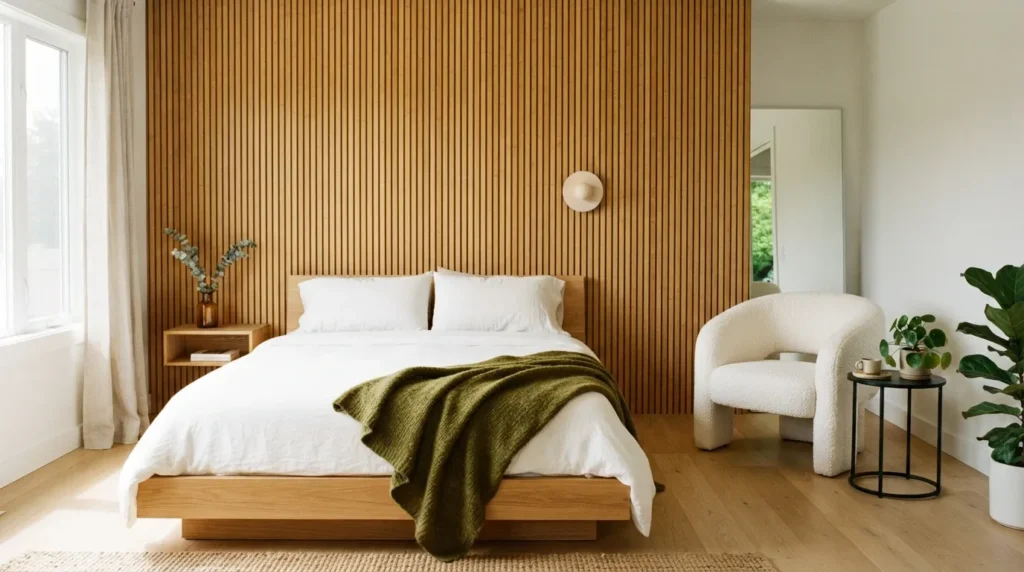
Incorporate bamboo through architectural elements like custom woven window shades, minimalist privacy screens, or a sleek slatted accent wall behind a platform bed. The linear, structured nature of bamboo looks spectacular when paired with soft, rounded furnishings, such as a plush bouclé armchair or a curved plaster coffee table. Keep the styling clean and uncluttered to allow the natural vertical lines of the bamboo grain to act as a calming visual element.
4. Natural Cork Flooring
Quick Benefits
- Harvested without ever cutting down the tree
- Provides natural acoustic sound dampening
- Feels incredibly soft and warm underfoot
- Naturally resistant to mold, pests, and fire
- Introduces a stunning, abstract organic pattern
Why It Works
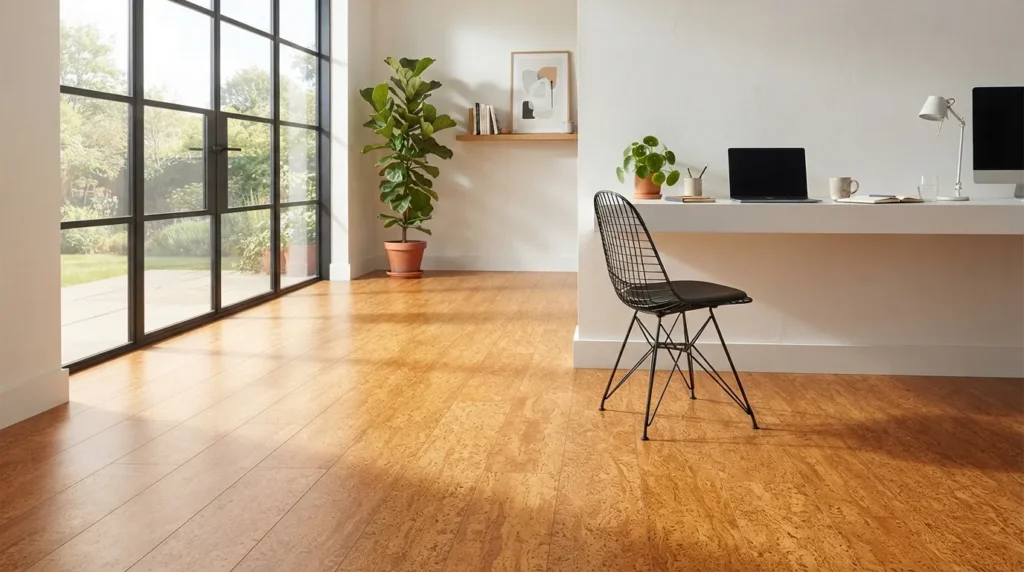
Traditional flooring options like vinyl or synthetic carpeting release volatile compounds into your home’s air and are incredibly difficult to recycle. Natural cork is harvested exclusively from the outer bark of the Cork Oak tree, which naturally regenerates every nine years without harming the tree itself. That’s why many designers recommend cork for modern, eco-conscious households. It acts as a natural insulator, absorbs echoing footsteps beautifully, and displays a rich, variegated texture that looks like a beautiful cross between polished stone and warm hardwood.
How To Style It
Use cork tile flooring in zones where you spend long periods standing, such as a busy kitchen or a creative home office workspace, to maximize its ergonomic comfort. Select a large-format cork plank with a light honey or rich espresso stain to create a seamless, expansively modern foundation. Pair the flooring with clean white walls, minimalist floating shelves, and sleek matte metal accents to ground the unique, swirling organic movement of the cork pattern.
5. Upcycled Textile Pillows
Quick Benefits
- Rescues historic, hand-woven fabrics
- Introduces unmatched artisanal texture
- Supports global heritage craft communities
- Easy to swap out across seasons
- Prevents textile manufacturing pollution
Why It Works
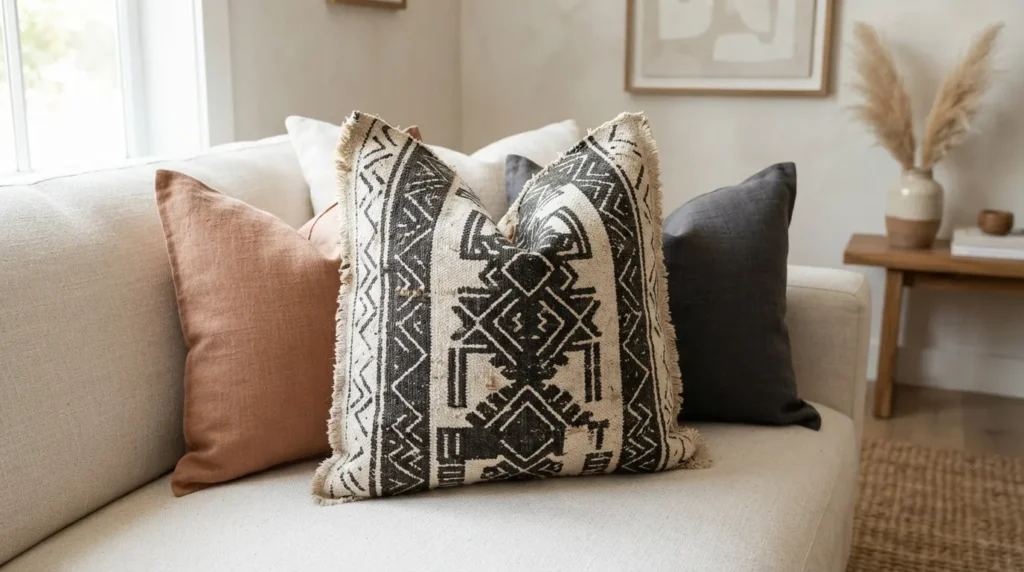
Soft accessories like throw pillows are often the culprits of fast-fashion interior trends, leading to cheap, synthetic materials being discarded every few seasons. Upcycled textile pillows utilize vintage, hand-woven garments, antique Turkish rugs, or remnants of historic indigo fabrics, converting them into premium decorative accents. Each pillow cover acts as a mini piece of textile art, showcasing natural plant dyes, irregular hand-spun threads, and cultural patterns that celebrate human history and resourcefulness.
How To Style It
To create a sophisticated arrangement on a neutral sofa, use the upcycled pillows as your primary pattern statements. Mix a large, graphic vintage mudcloth pillow with smaller, solid-colored linen cushions within the same tonal family. Ensure the inner inserts are filled with sustainable, down-alternative materials like kapok fiber or recycled plastic bottle fill. This gives the pillows a luxurious, heavy karate-chop weight while keeping the entire presentation completely cruelty-free and earth-conscious.
6. Low-VOC Clay Paints
Quick Benefits
- Zero toxic off-gassing for clean air
- Creates a rich, velvety ultra-matte finish
- Naturally absorbs excess room humidity
- Odorless application allows immediate room use
- Offers gorgeous, depth-filled mineral pigments
Why It Works
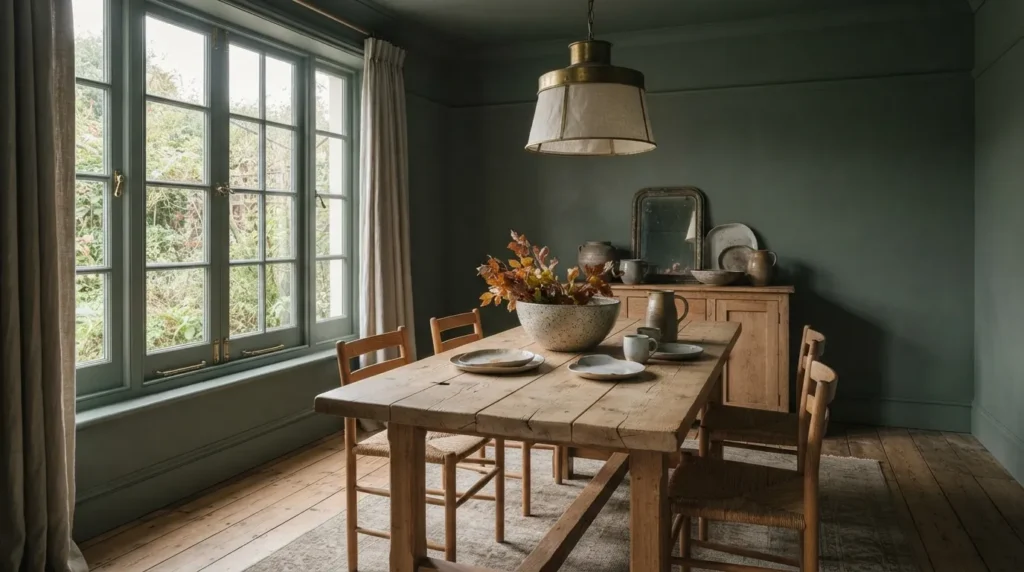
Standard architectural paints often contain volatile organic compounds (VOCs) that off-gas harmful chemicals into your home’s breathing air long after the wet paint dries. Low-VOC or zero-VOC clay-based paints use natural earth minerals and clays as their base instead of petrochemicals. These paints are completely non-toxic, breathable, and odorless. Because the clay naturally absorbs and refracts light rather than bouncing it away, it creates an incredibly velvety, thick, and ultra-matte wall texture that shifts beautifully under changing daylight.
How To Style It
Embrace the velvety depth of clay paint by utilizing it for a full-room color drenching project. Paint the walls, baseboards, and window trim in a single, calming mineral hue like soft terracotta, muddy sage, or a rich, chalky alabaster. This seamless boundary allows the texture of the clay to take center stage. Pair these mineral-painted walls with unvarnished raw wood furniture, rough clay pottery pieces, and soft wool throws to cultivate a deeply grounded, tactile European aesthetic.
7. Sustainably Sourced Rattan
Quick Benefits
- Fast-growing vine protects rainforest canopies
- Exceptionally pliable for beautiful curved designs
- Incredibly lightweight and easy to reposition
- Introduces an airy, tropical-chic texture
- Highly durable and long-lasting material
Why It Works
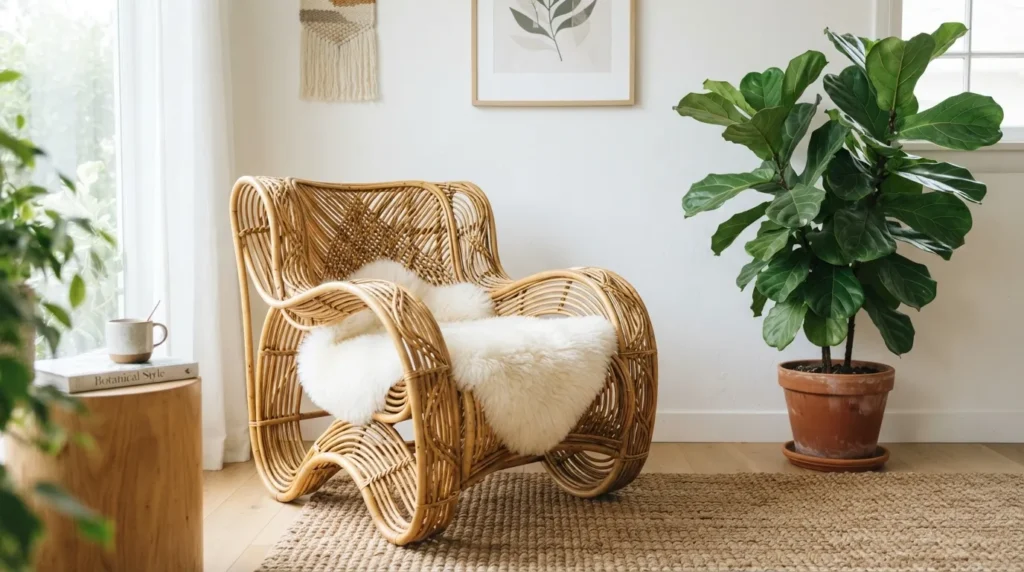
Rattan is a naturally sustainable vine that grows rapidly throughout tropical rainforests. Because it relies on climbing tall trees to reach sunlight, harvesting rattan actually provides local communities with an economic incentive to preserve the existing rainforest canopies rather than logging them for timber. Beyond its stellar eco-credentials, rattan is celebrated by interior stylists for its incredible flexibility. It can be steamed and bent into gorgeous, organic, and sculptural curves that soften the rigid lines of traditional square rooms.
How To Style It
Avoid over-styling with rattan to prevent your room from looking like a thematic beach resort. Instead, introduce it intentionally through a single statement piece, like an airy woven headboard, a sculptural accent chair, or a large drum pendant light fixture over a dining table. The golden, woven grid of rattan looks breathtakingly beautiful when contrasted against crisp white walls and layered with deep green leafy houseplants, creating a fresh, visually light layout.
8. Repurposed Brick Framing
Quick Benefits
- Utilizes historic, durable structural masonry
- Introduces immense architectural texture
- Adds a sense of permanent, historic gravity
- Excellent natural thermal mass properties
- Completely fireproof and low-maintenance
Why It Works
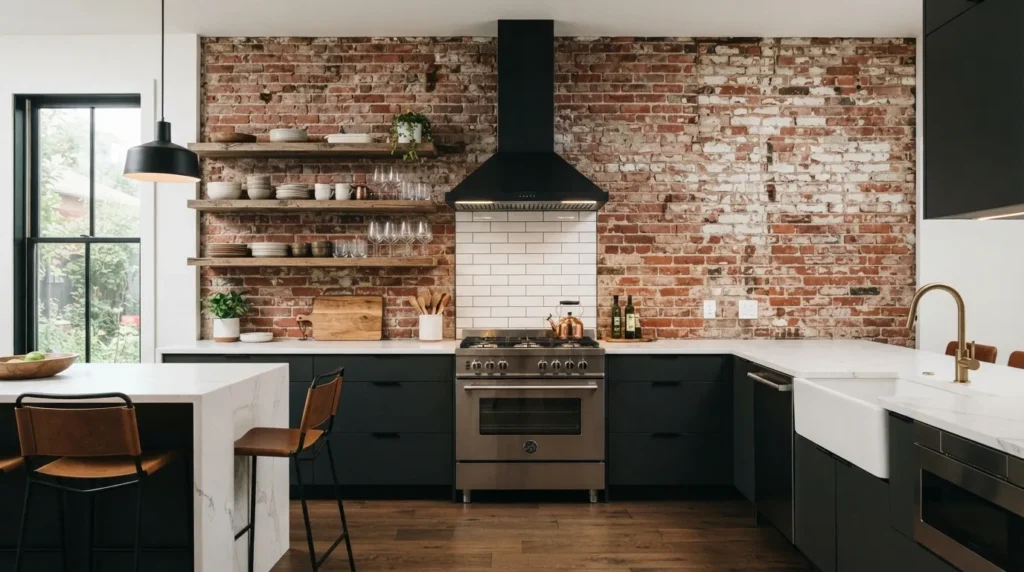
Manufacturing new clay bricks requires massive amounts of energy-intensive kiln firing. Salvaging and repurposing old bricks from historic demolished buildings eliminates that manufacturing footprint entirely while capturing a gorgeous, weathered aesthetic. Repurposed bricks feature unique variations in color, mortar remnants, and chipped edges that speak to their past lives. A mistake many homeowners make is leaving walls entirely flat; introducing a reclaimed brick feature instantly infuses a room with industrial gravity, warmth, and timeless architectural texture.
How To Style It
Create a stunning feature wall behind a kitchen range hood, frame a fireplace surround, or line an interior entryway arch with reclaimed brick. Keep the surrounding materials incredibly sleek to let the weathered brick serve as the main contrast anchor—think smooth quartz countertops, minimalist black metal cabinetry hardware, or clean glass panels. Apply a thin, breathable matte sealer over the brick to prevent any old masonry dust from shedding onto your living spaces.
9. Handwoven Wool Rugs
Quick Benefits
- Renewable, biodegradable natural fiber
- Innately repels spills and household stains
- Retains its plush texture for decades
- Acts as a natural home air filter
- Free from toxic synthetic backing glues
Why It Works
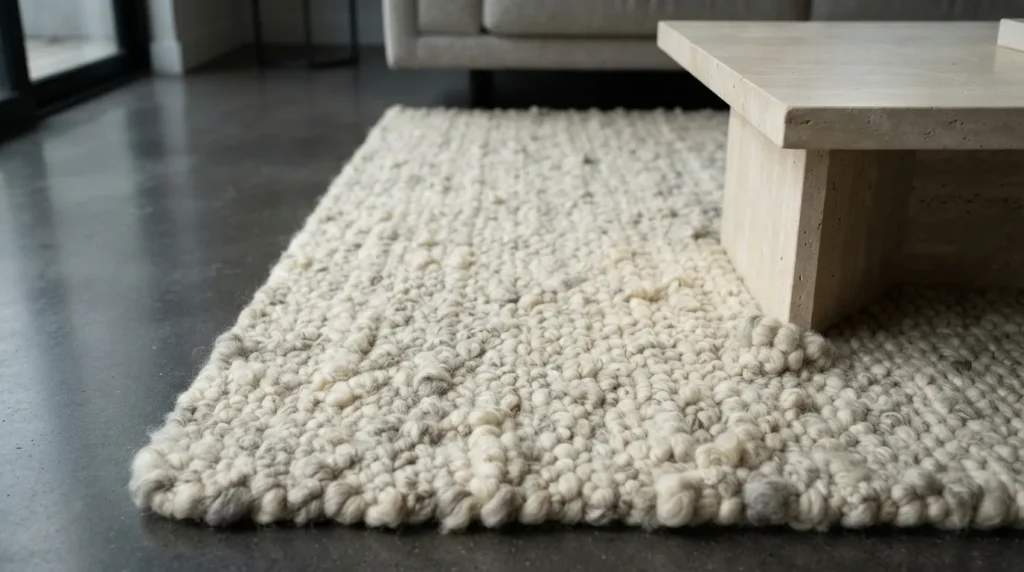
Cheap, mass-manufactured rugs are almost entirely woven from petroleum-derived nylon or polypropylene fibers, which shed microplastics into your indoor air and cannot break down when discarded. Handwoven wool rugs are crafted from a completely renewable, biodegradable resource. Wool fibers feature a natural coating of lanolin oil, which acts as a built-in protective barrier that repels liquid spills and resists crushing under heavy furniture. A high-quality wool rug is a true heirloom investment piece that naturally improves room insulation.
How To Style It
Select a hand-knotted wool rug that uses entirely undyed, raw wool to appreciate the natural cream, grey, and brown variations of the sheep’s fleece. Ensure the rug is large enough so that the front feet of all your main seating pieces rest comfortably on top to ground your living room layout. Pair the plush, underfoot texture of the wool rug with smooth, hard surfaces like a polished concrete floor or a sleek travertine coffee table to balance the room’s tactile weight.
10. Repurposed Glass Botanicals
Quick Benefits
- Eliminates new glass manufacturing energy
- Bounces and refracts incoming sunlight beautifully
- Costs virtually nothing to source and create
- Showcases organic root structures visually
- Perfect for small-scale minimalist decorating
Why It Works
Decorating with fresh-cut floral arrangements is lovely, but the commercial floral industry carries a hefty carbon footprint due to global refrigerated shipping and pesticide use. Repurposed glass botanicals offer a completely free, highly sustainable alternative. By saving uniquely shaped vintage olive oil bottles, amber apothecary jars, or clear glass condiment vessels, you can create a striking collection of propagation vases. Filling them with water to root plant cuttings allows you to celebrate living, growing green architecture using entirely recycled glass.
How To Style It
Gather a cluster of three to five mismatched recycled glass bottles varying in height, color, and transparency. Position the grouping along a sunlit windowsill, an entryway console table, or a dining room center runner. Fill them with water and drop in simple, hardy green cuttings like a single monster leaf, a clipping of trailing pothos ivy, or a architectural olive branch. The incoming light will refract through the glass and water, creating a beautiful, dancing visual display that highlights the living greenery.
FAQ Section
How can I verify if a wood furniture piece is actually sustainably sourced?
Look for reputable certifications like the Forest Stewardship Council (FSC) stamp. An FSC certification guarantees that the wood was harvested from responsibly managed forests that prioritize biodiversity, prevent clear-cutting, and ensure fair wages for local forest workers. Alternatively, sourcing local, domestic woods or reclaimed lumber completely eliminates the need for international verification.
Do low-VOC clay paints require a special type of wall primer before applying?
Yes, because clay paint is highly porous and absorbs moisture differently than chemical latex paints. It is always best to apply a dedicated, non-toxic mineral primer before painting to ensure the clay adheres evenly across your drywall. This prevents any patchy spots and allows the velvety matte finish to cure flawlessly across the entire room.
Are wool rugs difficult to clean if a spill happens to occur?
Not at all, thanks to the natural lanolin coating on wool fibers. If a spill happens, the key is to blot the liquid immediately with a clean, dry white cloth—never scrub the fibers, which can push the liquid deeper into the weave. For stubborn stains, use a simple mixture of lukewarm water and a few drops of pH-neutral, gentle dish soap to carefully lift the spot.
Is it safe to use natural cork flooring in a bathroom zone that gets wet?
While cork is naturally resistant to moisture and mold due to a substance called suberin, it is not entirely waterproof. If you want to use cork in a bathroom or laundry zone, you must seal the installed planks with a high-quality, eco-friendly polyurethane clear coat to protect the seams from standing water, and use a bathmat to catch heavy splashes.
What is the difference between rattan, wicker, and bamboo decor?
Bamboo is a sturdy, hollow-stemmed structural grass. Rattan is a solid, flexible vine that climbs trees. Wicker, however, is not an actual material at all—it is the historical weaving technique used to create furniture. Wicker furniture can be woven out of sustainable materials like rattan, willow, and bamboo, or out of synthetic plastics.
Conclusion
Embracing eco-friendly home decor isn’t about fitting your home into a rigid, sterile box of environmental perfection. It is about making thoughtful, intentional daily choices that celebrate longevity, quality craftsmanship, and natural materials. From the historic soul of a thrifted vintage sideboard to the light-filled elegance of organic linen drapes and low-VOC clay walls, sustainable design effortlessly bridges the gap between environmental responsibility and high-end aesthetic beauty. Start by swapping out one mass-produced item for a piece that carries a story, and gradually build a beautiful, restorative home that honors your unique style and supports the health of our shared planet.
Related Articles
- Minimalist Home Styling Tips for a Calming Space
- The Ultimate Guide to Sourcing Quality Vintage Furniture
- How to Improve Your Indoor Air Quality with Plant Design
- Stunning Natural Stone Accents for Modern Living Rooms
- Designing a Sustainable and Non-Toxic Nursery Layout